
Article
West African Pantry Staples Every Kitchen Should Know
A practical guide to West African pantry staples, palm oil, egusi, crayfish, garri, plantain and more, what each is, how to use it, and where to buy it.
7 min readby The RecipeCrave Kitchen Team
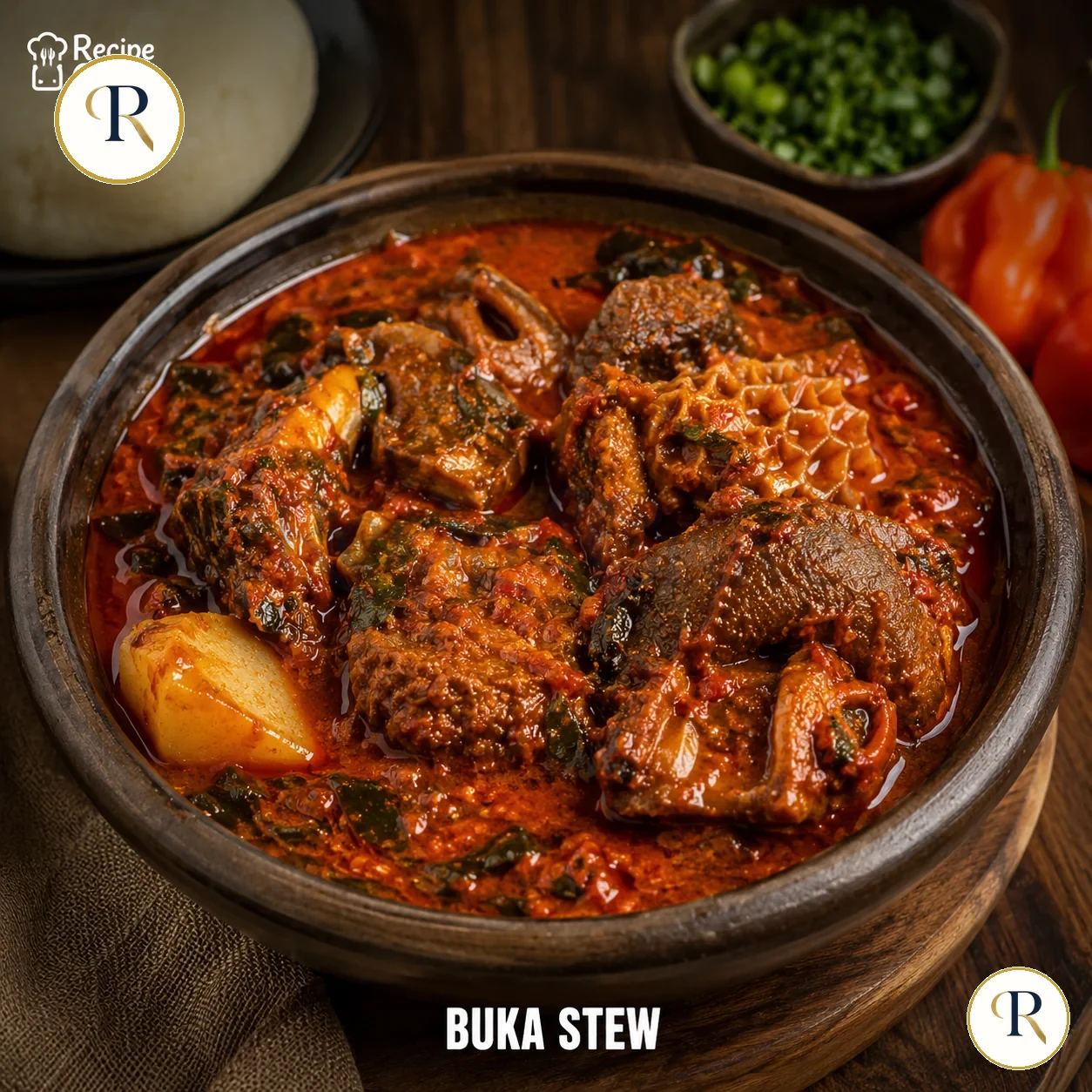
Walk into any West African kitchen an hour before dinner and you can identify the pantry with your eyes closed. There's the deep, almost smoky perfume of red palm oil hitting a hot pot, the briny punch of ground crayfish, the sharp fruity heat of scotch bonnet being blended with tomatoes. These West African pantry staples aren't exotic add-ons, they're the backbone of one of the world's great cuisines, and most of them are easier to find and use than you'd think.
This guide covers eight ingredients that earn permanent shelf space: palm oil, egusi seeds, crayfish, scotch bonnet, plantain, garri, stockfish, and beans. For each one you'll get the short version of what it is, how cooks actually use it, where to buy it, and what to reach for when you can't find the real thing. By the end, recipes that once looked intimidating will read like a shopping list.
Red Palm Oil: The Flavor That Colors Everything
Red palm oil is pressed from the fruit of the oil palm, not the kernel, and it's nothing like the refined palm oil hiding in packaged snacks. Unrefined, it's a vivid brick-orange with a savory, faintly carroty flavor that stains everything it touches a glorious sunset color. It's the base of egusi soup, banga, palm oil rice, and countless stews.
To use it, heat it gently until it loosens and turns translucent, you'll smell it bloom. Some cooks bleach it (heating until the color fades) for certain dishes, but for most recipes you want that color intact. A little goes far: two to four tablespoons flavors a whole pot.
Buying and storing
- Look for bottles labeled "red palm oil" or "zomi" at African grocers; choose ones that look bright orange-red, not dull brown.
- It solidifies when cool, that's normal, not spoilage. Stand the bottle in warm water to loosen it.
- Beginner substitute: there isn't a true one, but a neutral oil plus a spoon of tomato paste gets you the color, if never the flavor.
Ground Crayfish: The Umami Engine
What Nigerians call crayfish is actually small dried, smoked shrimp, ground to a coarse rusty powder. It works the way fish sauce works in Thai cooking or parmesan rind in Italian, a background hum of savory depth you'd miss instantly if it vanished. One or two tablespoons goes into soups, stews, moin moin, and vegetable dishes near the end of cooking.
Buy it pre-ground in bags, or buy whole dried shrimp and blitz them yourself for fresher flavor. Store it in the freezer; the oils go stale at room temperature. If you can't find it, a smaller amount of Asian dried shrimp paste or a splash of fish sauce covers the umami gap, though the smoky note will be missing. Browse our recipe collection and you'll spot crayfish doing quiet work in dozens of dishes.

Scotch Bonnet: Heat With a Personality
Scotch bonnet peppers (called ata rodo in Yoruba) look like crumpled little lanterns and carry serious heat, but heat isn't the whole story. They have a fruity, almost apricot-like aroma that plain cayenne can't touch. Most West African stews start with scotch bonnet blended together with tomatoes, onions, and red bell pepper into a base that gets fried down until it darkens and thickens.
Control the fire by how much you use, not whether you use it. Half a pepper, seeds removed, perfumes a pot without punishing anyone. Habanero is the closest substitute, same species, nearly the same flavor. In a pinch, use a milder fresh chili plus a pinch of dried pepper flakes. Handle them with care: wash your hands well afterward, and don't rub your eyes.
Egusi Seeds and Honey Beans: Thickeners and Workhorses
Egusi
Egusi are the shelled seeds of a bitter melon, sold whole or ground into a pale, fatty meal. Simmered into soup, ground egusi swells into soft, savory curds that thicken the pot and carry flavor beautifully, egusi soup with pounded yam is one of Nigeria's most beloved pairings. Toast the ground seeds lightly before adding liquid and you'll deepen the nutty flavor. No egusi at your store? Ground pumpkin seeds (pepitas) are the standard substitute and behave almost identically.
Beans
Nigerian honey beans (ewa oloyin) are small, brownish, and slightly sweet. They become ewa agoyin (mashed beans with a fiery fried-pepper sauce), classic beans porridge, and, once peeled and blended, akara fritters and moin moin. Black-eyed peas are the accepted stand-in everywhere outside West Africa, and they're in every supermarket. If you're staring at a bag of beans wondering what to make, our What Can I Cook tool will match them to real recipes.
Plantain and Garri: The Starches That Do Everything
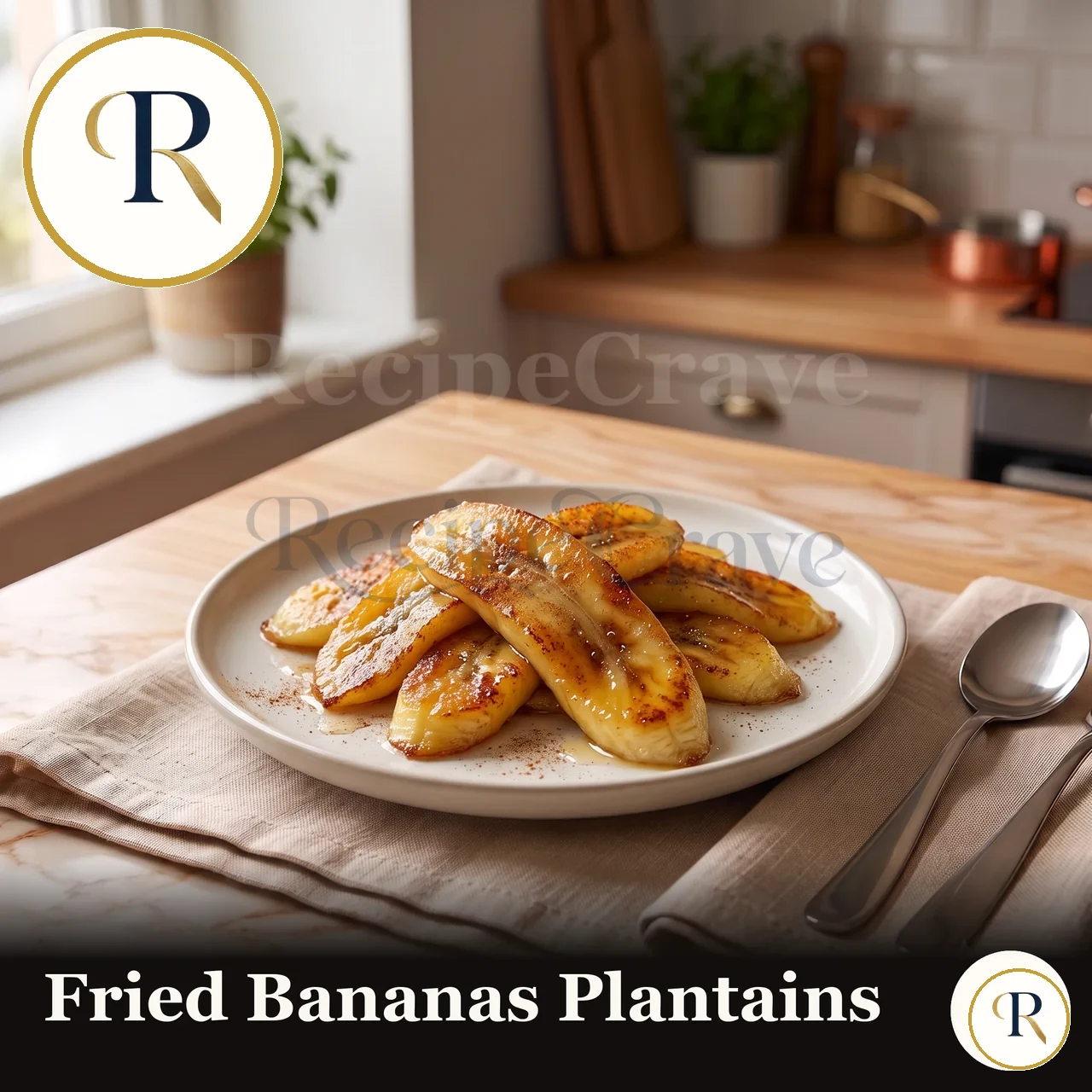
Plantains are the bigger, starchier cousins of bananas, and their magic is that they're three ingredients in one. Green, they're firm and potato-like, good boiled or fried into crisp chips. Yellow, they fry into sweet-edged dodo, the side dish nobody can stop eating. Deeply black-spotted, they're at maximum sweetness and perfect for soft frying or baking. Most large supermarkets stock them now; just know that a rock-hard green plantain may need a week on the counter to ripen.
Garri is fermented, dried, and toasted cassava, ground into coarse grains. It's West Africa's fastest food: soak it in cold water with a little sugar and peanuts for a snack, or stir it into hot water to make eba, the smooth swallow served with soups. It keeps for months in a sealed container. There's no perfect substitute, instant fufu flour or pounded yam flour serve the same role at the table. If you're planning a week of meals around these staples, the meal planner makes it painless.
Stockfish: Funk, in the Best Way
Stockfish is unsalted cod, air-dried until it's hard as timber, a centuries-old Norwegian export that West African cooking made its own. Soaked and simmered, it turns tender and shreds into soups, contributing a deep, concentrated savoriness that fresh fish can't replicate. It's essential in many renditions of egusi, ogbono, and native soups.
Soak pieces in hot water for at least an hour (overnight for thick cuts) before cooking. Its cousin, dried and salted fish, needs rinsing too. Substitutes: smoked mackerel or smoked catfish give you a different but equally satisfying depth, and either one is easier to find. Vegetarians can lean on smoked paprika and extra mushrooms for a whisper of the same effect.
Pro tip: Build your pantry one dish at a time, not one shopping spree at a time. Pick a recipe, say, egusi soup, buy only what it needs, and cook it twice in one week. The second attempt is always better, and now three new staples have earned their place instead of gathering dust.
Where to Buy West African Ingredients
Your best source is a dedicated African or Caribbean grocery, most cities with any Nigerian, Ghanaian, or Senegalese community have at least one, and the owners are usually generous with advice if you ask what brand they take home. Beyond that:
- International supermarkets often stock palm oil, plantains, scotch bonnets, and dried fish in their world-foods aisles.
- Online retailers ship shelf-stable staples like garri, egusi, and ground crayfish nationwide, check seals and dates when they arrive.
- Regular supermarkets reliably carry plantains, black-eyed peas, and habaneros, enough to start cooking tonight.
Once your shelf is stocked, explore how these same ingredients shift across borders, Ghanaian, Senegalese, and Cameroonian kitchens all use them differently. Our cuisine guides are a good map, and if you want to understand the herbs and seasonings side of the pantry, the herb library picks up where this list ends.
Frequently Asked Questions
Is red palm oil the same as the palm oil in processed foods?
No. Unrefined red palm oil is a traditional whole ingredient with its color and flavor intact. The refined, bleached, deodorized palm oil used industrially is a different product with none of the character. Buy bottles labeled crude or unrefined red palm oil from African grocers.
What's a good egusi substitute I can find anywhere?
Raw, unsalted pumpkin seeds (pepitas), ground fine in a blender or spice grinder. They're from a related plant family and thicken soup in nearly the same way. Sunflower seeds work in a pinch but taste noticeably different.
How spicy is scotch bonnet compared to jalapeño?
Dramatically spicier, scotch bonnets sit far above jalapeños on the Scoville scale, in the same range as habaneros. Start with a quarter or half a pepper, seeds removed, and add more next time. The blended-stew format spreads the heat evenly, which makes it easier to control than chopped fresh chili.
Does garri go bad?
Properly dried garri is remarkably shelf-stable and keeps for months in an airtight container away from moisture. Discard it if it smells musty, shows any dampness or clumping, or has visible pests. Store it sealed, and keep the scoop dry, water is the enemy.
About the author. The RecipeCrave editorial team, cooks and writers sharing practical, tested home-cooking guidance.
Keep reading
A Beginner's Guide to Grilling Fish, Chicken, and Steak
Grilling looks intimidating from the outside, but almost all of it comes down to a few habits: build heat zones, oil a hot grate, flip once, and learn doneness by feel and temperature. Here is the beginner version, step by step.
Fermenting at Home for Beginners: Yogurt, Pickles, and More
Fermenting at home is easier than it looks. Here is how simple fermentation works, two beginner projects to start with, the small kit you need, and the safety signs that tell a good batch from a bad one.
Understanding Cooking Oils: Which One to Use and When
Every oil has a job. Some are built for high heat and a crisp crust, others are best kept raw and drizzled at the end. Here is how to match the oil to the pan, store it well and reuse it without the off flavors.