
Article
Freezer Meal Prep: Two Weeks of Dinners in One Afternoon
Freezer meal prep made simple: what freezes well, safe cooling and thawing, smart labeling, and a 10-dinner plan you can cook in one Sunday afternoon.
8 min readby The RecipeCrave Kitchen Team
There's a particular kind of calm that comes from opening the freezer on a chaotic Wednesday and finding dinner already made. No chopping, no decisions, no 6pm panic. Freezer meal prep is how you get there: one focused afternoon of cooking that stocks two full weeks of dinners. It's not glamorous work, your kitchen will smell like a small restaurant and you'll wash the big pot three times, but the payoff lasts fourteen days.
The catch is that the freezer is not magic. It's a pause button, not a preservative, and it's kinder to some foods than others. A bolognese comes out of the freezer tasting better than the day you made it. A creamy potato bake comes out grainy and weeping. This guide covers what actually freezes well, the safety rules that matter, how to label and pack so nothing becomes a mystery brick, and a sample 10-dinner plan you can run this weekend.
What Freezes Well (and What Doesn't)
The general rule: moisture-rich, saucy, fully cooked dishes freeze beautifully. Anything that depends on crispness, delicate emulsions, or high water content in its raw structure suffers.
The freezer all-stars
- Braises and stews, beef stew, chicken curry, groundnut stew. The sauce protects the meat from freezer burn, and flavours keep melding.
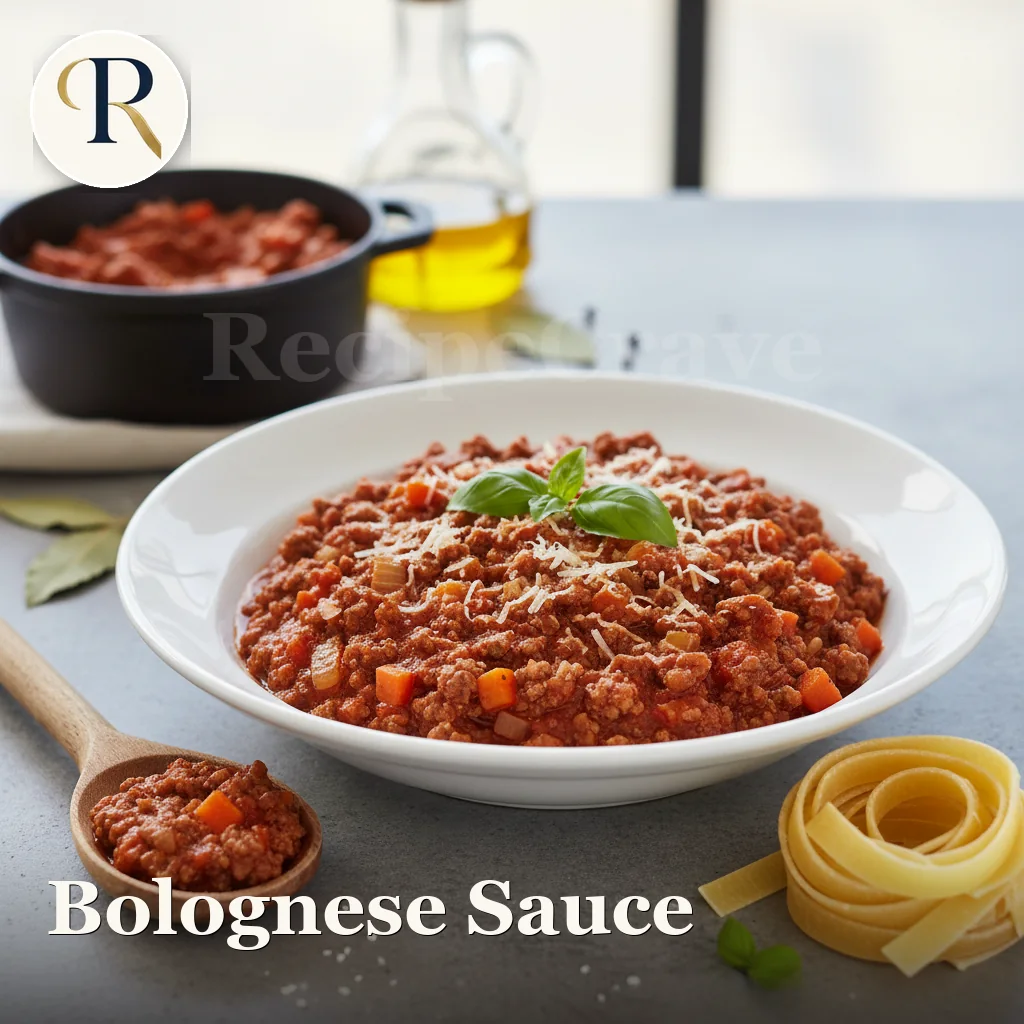
- Tomato-based sauces, bolognese, chilli con carne, jollof base sauce. Tomato and slow-cooked onion hold texture almost perfectly.
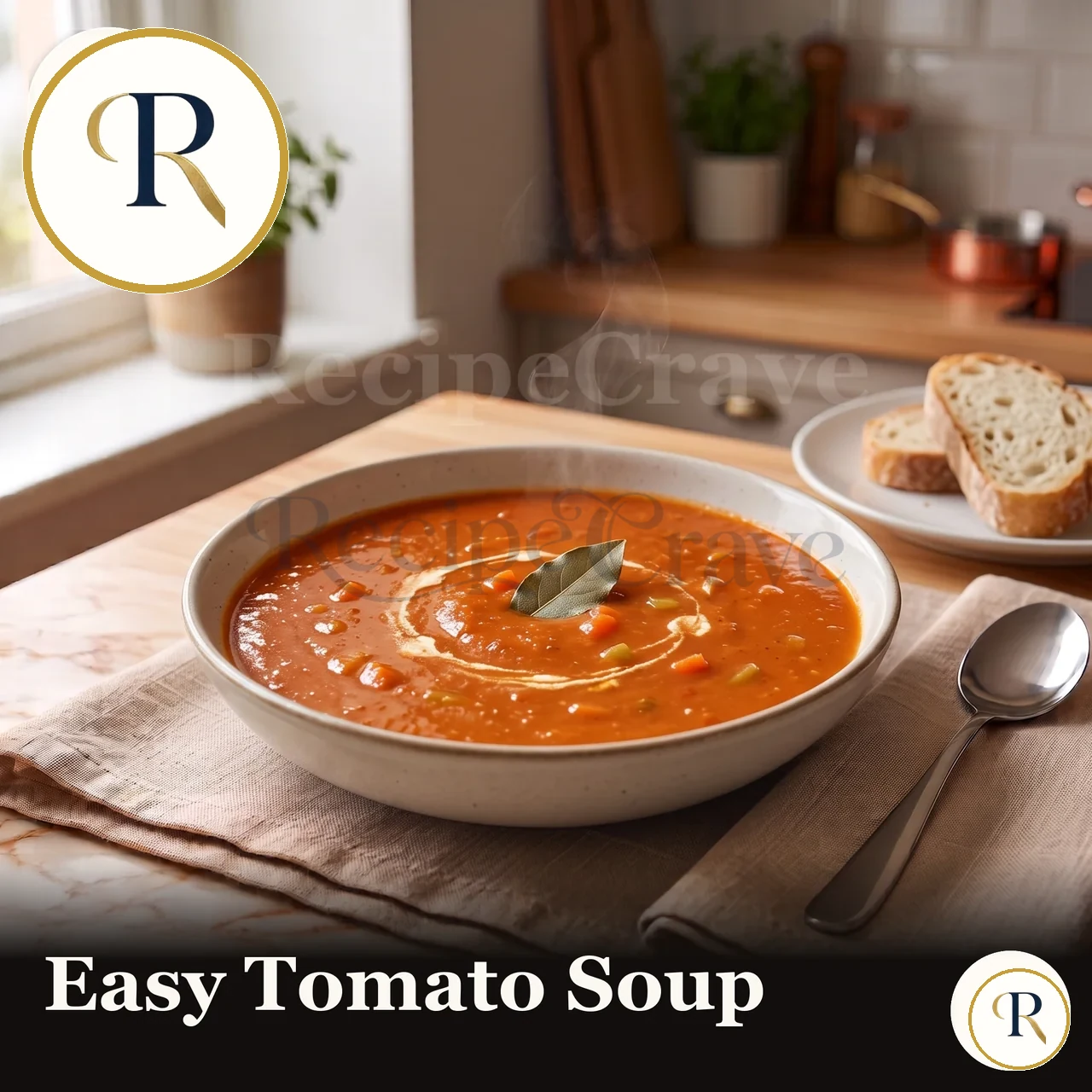
- Soups without dairy, lentil, tomato, chicken and vegetable. Freeze flat in bags and they thaw in minutes.
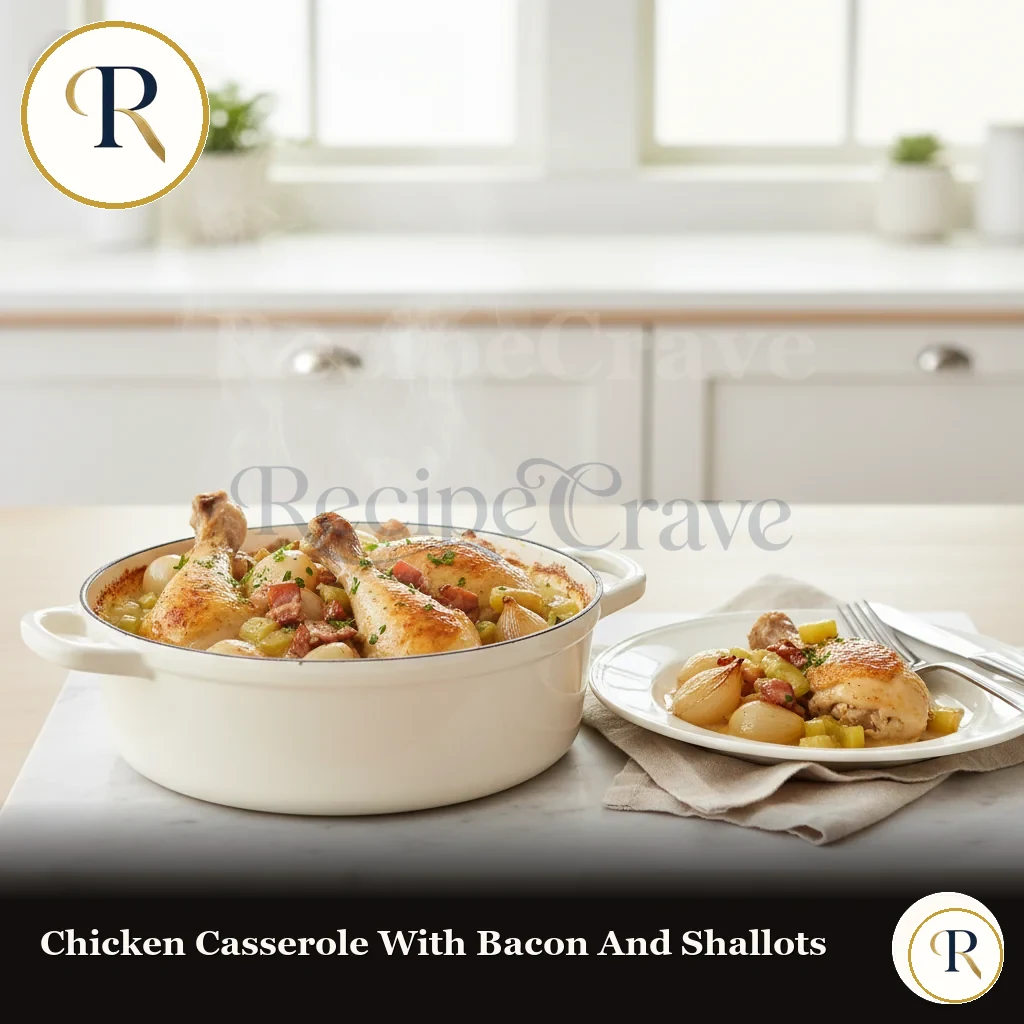
- Casseroles, assembled or fully baked, a chicken casserole with bacon and shallots rewarms like it was made that day.
- Cooked grains and pulses, rice (cooled fast and frozen promptly), beans, cooked lentils.
- Marinated raw meat, chicken thighs in their marinade freeze raw and season themselves as they thaw.
The ones that fight back
- Cream and milk-based sauces, they tend to split and turn grainy. Freeze the base, add the cream when reheating.
- Cooked potato chunks, the cells rupture and you get a watery, mealy texture. Mash freezes far better than cubes.
- Raw salad vegetables, lettuce, cucumber, raw tomato collapse into slush. No exceptions.
- Fried and crispy things, anything battered or crunchy goes soft. Freeze the filling, fry fresh.
- Hard-boiled eggs, the whites turn rubbery and strange. Leave them out of any dish you plan to freeze.
When in doubt, ask whether the dish would survive a night in the fridge covered in its own sauce. If yes, it will almost certainly survive the freezer. Browse the stews and one-pot dishes in our recipe collection and you'll notice most of them are freezer-ready by design.
The Safety Rules That Actually Matter
Food safety in freezer cooking comes down to three moments: cooling, freezing, and thawing. Get these right and everything else is preference.
Cool it fast
Hot food should not sit on the counter for hours, and it shouldn't go into the freezer steaming either. The safe practice: get cooked food from hot to refrigerated within two hours. Speed things along by dividing a big pot into shallow containers, a 5cm-deep layer cools dramatically faster than a full stockpot. An ice bath in the sink (pot sitting in cold water, stirred occasionally) works well for soups and sauces. Once the food is no longer steaming, it can go into the fridge to finish cooling, then into the freezer.
Freeze it cold and keep it cold
Your freezer should hold -18°C (0°F). At that temperature, food stays safe indefinitely, quality, not safety, is what declines over time. For best eating, aim to use cooked meals within two to three months. Don't overload the freezer with a huge batch of warm containers at once; add them in stages so the temperature stays low.
Thaw it in the fridge, not on the counter
Room-temperature thawing lets the outer layer of the food sit in the danger zone while the middle is still frozen. The safe options are: overnight in the fridge (best), sealed in cold water changed every 30 minutes (faster), or straight from frozen using the microwave or oven if you're cooking immediately. Food thawed in the fridge can be refrozen if plans change, though texture takes a small hit. Food thawed any other way should be cooked before refreezing. And always reheat until piping hot all the way through, steaming, bubbling, no lukewarm centre.
Containers, Packing, and the Fight Against Freezer Burn
Freezer burn, those dry, grey, leathery patches, is just dehydration. Air touches the food, moisture escapes, quality drops. The fix is simple: minimise air contact.
- Freezer bags, frozen flat, the workhorse. Fill, press out the air, seal, and freeze lying flat on a tray. Once solid, the slabs stack like books and thaw twice as fast as blocks.
- Rigid containers, best for casseroles and anything you don't want squashed. Leave about 2cm of headspace, because liquids expand as they freeze.
- Foil trays, brilliant for assemble-now, bake-later casseroles that go straight from freezer to oven.
- Double-wrap anything precious, cling film against the surface of the food, then foil or a bag over the top.
Label like a stranger will read it
You will not remember. Nobody remembers. Three months from now, an unlabelled bag of brown sauce could be bolognese, chilli, or beef stew. Every container gets: the dish name, the date frozen, the number of portions, and reheating instructions. "Chicken curry, 12 Jan, serves 4, thaw overnight, simmer 10 min" takes eight seconds to write and saves an entire dinner. Masking tape and a permanent marker peel off cleanly for the next round.
Pro tip: Keep a freezer inventory on a sheet of paper taped to the door, one line per meal, crossed off as you eat them. It turns the freezer from an archaeological dig into a menu, and it's the single best trick for actually eating what you froze.
The Freezer Meal Prep Afternoon: A 10-Dinner Plan
Here's a realistic plan for one afternoon, roughly four hours of cooking, that produces ten dinners for a family of four. The trick is overlap: two base sauces become six meals, and the oven works while the hob does something else.
The batch list
- Big-batch bolognese (x3 dinners), one huge pot, split three ways. Serve over pasta, spooned into baked potatoes, or layered into a quick lasagne.
- Tomato soup (x2 dinners), simmers alongside the bolognese with almost no attention. Freeze flat; pair with grilled cheese on the night.
- Chicken casserole with bacon and shallots (x2 dinners), into the oven while the hob is busy. The smoky bacon and sweet shallots deepen in the freezer.
- Chilli con carne (x2 dinners), start it in the bolognese pot once emptied; the tomato residue is a head start, not a problem.
- Marinated chicken thighs (x1 dinner), zero cooking today. Whisk the marinade, bag the raw thighs, freeze. They marinate as they thaw for a fresh-cooked dinner in week two.
How the afternoon runs
- Hour one: all the chopping. Onions, garlic, carrots, shallots, everything for every dish, in bowls, like a cooking show.
- Hour two: bolognese and soup going on the hob; casserole assembled and into the oven.
- Hour three: chilli started, chicken bagged and frozen, soup blended and cooling in shallow containers.
- Hour four: everything cooled, portioned, labelled, and staged into the fridge, then the freezer. Wash up while the radio plays.
If ten dinners sounds ambitious, halve it, five dinners in two hours is still a transformed week. Our meal planner makes it easy to slot the thaw-tonight dinners into your week, and the kitchen calculators handle the scaling maths when you're doubling or tripling a recipe.
Making It Stick: The Two-Week Rhythm
The freezer stash works best with a loose rhythm rather than a rigid rota. Aim for three or four freezer dinners a week, with fresh, quick meals in between so nobody feels like they're eating leftovers on repeat. A frozen bolognese Monday, fresh stir-fry Tuesday, casserole Thursday, the freezer meals become the backbone, not the whole skeleton.
Restock little and often instead of repeating the full afternoon every fortnight. Cooking dinner anyway? Double it and freeze half, five minutes of extra effort, one future dinner banked. If you're staring at a half-empty fridge wondering what to batch next, the What Can I Cook tool will build a shortlist from whatever you already have. And when the rotation starts feeling samey, borrow from another tradition entirely, plenty of West African stews and world dishes in our cuisine guides were practically designed for the make-ahead life.
Frequently Asked Questions
How long do cooked meals actually last in the freezer?
Kept at -18°C (0°F), frozen food stays safe indefinitely, freezing halts bacterial growth. Quality is the real clock: most cooked dishes eat best within two to three months. After that they're still safe but flavours fade and textures dull. Date every container and rotate oldest-first.
Can I refreeze something after thawing it?
If it thawed in the fridge and has stayed cold, yes, it's safe to refreeze, though the texture loses a little each cycle. If it thawed on the counter, in the microwave, or in cold water, cook it fully first; then the cooked dish can be frozen again. Never refreeze anything that's been sitting out at room temperature for more than two hours.
Should I freeze meals in single portions or family-sized?
Both, deliberately. Family-sized containers suit planned dinners; single portions rescue the nights when one person eats late or you need a packed lunch. A good split is two-thirds family-sized, one-third singles. Flat-frozen bags give you flexibility too, you can snap off half a slab of soup without thawing the lot.
Do I need to cool food completely before freezing it?
Cool it quickly, then freeze it cold. Get cooked food out of the two-hour room-temperature window by spreading it into shallow containers or using an ice bath, chill it in the fridge until no longer warm, then freeze. Putting hot food straight into the freezer raises the temperature around everything else in there, bad for the neighbours, slow for the new arrival.
About the author. The RecipeCrave editorial team, cooks and writers sharing practical, tested home-cooking guidance.
Keep reading
A Beginner's Guide to Grilling Fish, Chicken, and Steak
Grilling looks intimidating from the outside, but almost all of it comes down to a few habits: build heat zones, oil a hot grate, flip once, and learn doneness by feel and temperature. Here is the beginner version, step by step.
Fermenting at Home for Beginners: Yogurt, Pickles, and More
Fermenting at home is easier than it looks. Here is how simple fermentation works, two beginner projects to start with, the small kit you need, and the safety signs that tell a good batch from a bad one.
Understanding Cooking Oils: Which One to Use and When
Every oil has a job. Some are built for high heat and a crisp crust, others are best kept raw and drizzled at the end. Here is how to match the oil to the pan, store it well and reuse it without the off flavors.