
Article
How to Cook Rice Perfectly Every Time (Fluffy, Never Mushy)
Learn how to cook rice perfectly every time: rinsing, exact water ratios for basmati, jasmine and parboiled rice, the absorption method, and mushy-rice fixes.
8 min readby The RecipeCrave Kitchen Team
Somewhere between the bag and the bowl, rice goes wrong for a lot of good cooks. It comes out gummy, or wet at the bottom and chalky on top, or welded to the pot in a scorched sheet. And because rice sits under so much of what we love to eat, one bad pot can drag a whole meal down with it. The fix isn't a fancy cooker. Learning how to cook rice perfectly comes down to three things: rinsing off surface starch, matching the water ratio to the type of rice in your hand, and leaving the lid alone.
We've cooked rice in every way a home kitchen allows, from weeknight jasmine to party-sized pots of jollof, and the same small habits decide the outcome every time. Here's the whole method, plus the ratios for the four types of rice most of us actually buy.
Why Rice Turns Mushy in the First Place
Every grain of rice is wrapped in a dusty layer of loose starch left over from milling. Drop unrinsed rice into hot water and that starch dissolves instantly, thickening the cooking liquid into something closer to glue. As the grains swell, the sticky liquid cements them together. That's mush, and no amount of fluffing rescues it.
The second culprit is too much water. Rice can only absorb so much; whatever is left over just sits in the pot, oversoftening the bottom layer while you wait for it to evaporate. Fill-and-drain works for pasta, not for the absorption method.
The third is stirring. Stirring mid-cook scrapes starch off the softening grains into the liquid, exactly what you rinsed to avoid. Risotto is stirred on purpose to make it creamy. Everyday rice should be left alone.
Rinse First: The Two-Minute Step That Changes Everything
Put your rice in a bowl, cover it with cool water, and swish it with your fingers. The water will turn cloudy white almost immediately, like watered-down milk. Pour it off, refill, and repeat. Three or four changes of water usually does it; you're done when the water stays mostly clear.
A fine-mesh sieve under the tap works too and is faster, though the bowl method lets you actually see the starch leaving. Either way, drain the rice well before it goes in the pot. Water clinging to wet rice counts toward your ratio, and an extra quarter cup hiding in the grains is enough to tip a small pot from fluffy to soft.
One exception: some enriched rice sold in the US is coated with added vitamins and the packet says not to rinse. Check your bag. Parboiled rice also needs less rinsing because its starch is already set, but a quick swish never hurts it.
How to Cook Rice Perfectly: Water Ratios by Type
There is no single magic ratio, and that's the point most guides miss. Different rice types absorb different amounts of water. Measure both rice and water with the same cup and these ratios will hold, whether you're cooking one cup or four.
Long-grain white rice
Use 1 cup rice to 1¾ cups water. This is the everyday workhorse. It cooks in about 15 minutes covered, plus a 10-minute rest. Grains should be tender but distinct, with a slight spring when you bite one.
Basmati
Use 1 cup rice to 1½ cups water. Basmati grains are long, dry and delicate, and they drown easily. If you have 30 minutes, soak the rinsed rice first and drop the water slightly; soaked basmati cooks faster and the grains elongate beautifully instead of breaking.
Jasmine
Use 1 cup rice to 1¼ cups water. This surprises people. Jasmine is a soft, fragrant rice that's naturally a little clingy, and the common 1:2 ratio is exactly why so many pots of it end up as porridge. Less water keeps its gentle stickiness pleasant rather than pasty.
Parboiled (easy-cook) rice
Use 1 cup rice to 2 cups water, and expect 20 to 25 minutes of cooking. Parboiled rice is steamed in the husk before milling, which sets the starch and makes the grains firm and forgiving. It's the classic choice for Nigerian jollof precisely because it can simmer in a rich tomato base without collapsing.
The Absorption Method, Step by Step
This is the technique behind almost every great pot of rice, from plain steamed jasmine to the party rice dishes in our recipe collection. It asks for one thing above all: patience with the lid.
- Rinse and drain your rice until the water runs nearly clear.
- Add rice, water, and a pinch of salt to a heavy-bottomed pot with a tight lid. A knob of butter or a spoon of oil is optional but helps grains stay separate.
- Bring it to a boil uncovered. Watch for it; this takes just a few minutes.
- Drop the heat to the lowest setting, cover, and set a timer. About 15 minutes for white long-grain, jasmine and basmati; 20 to 25 for parboiled.
- Do not lift the lid. Do not stir. The pot is a sealed steam chamber; every peek lets the steam escape and leaves the top layer undercooked.
- Rest it off the heat, still covered, for 10 minutes. This is the step everyone skips and it matters as much as the cooking. The last of the moisture redistributes evenly instead of sitting at the bottom.
- Fluff with a fork, lifting and separating rather than mashing. Serve.
Listen to the pot near the end of cooking: the wet bubbling sound fades to a faint hiss or crackle when the water has been absorbed. That's your cue the timer is telling the truth.
Common Mistakes That Turn Rice to Mush
- Skipping the rinse. Cloudy water in, gluey rice out. Two minutes at the sink saves the pot.
- Guessing at water. Splashing water in "to about a knuckle above the rice" can work with practice, but a measuring cup works every time.
- Stirring mid-cook. You're making risotto whether you meant to or not.
- Peeking under the lid. Every look costs steam and adds time.
- Boiling hard the whole way. A rolling boil under a closed lid blows the water out too fast and scorches the bottom before the top cooks. Lowest heat wins.
- Serving straight off the heat. Unrested rice is wet on the bottom, always. Give it ten covered minutes.
- Using a thin pot. Flimsy pans run hot at the base and cause scorching. If that's what you have, slide a heat diffuser (or a heavy skillet) underneath.
Pro tip: If you open the pot and the rice is cooked but wet, don't stir it. Drape a clean tea towel over the pot, press the lid back on, and leave it off the heat for 10 minutes. The towel drinks up the excess steam and the grains dry out and separate. It rescues more pots than any other trick we know.
Where It Pays Off: Jollof, Fried Rice and Beyond
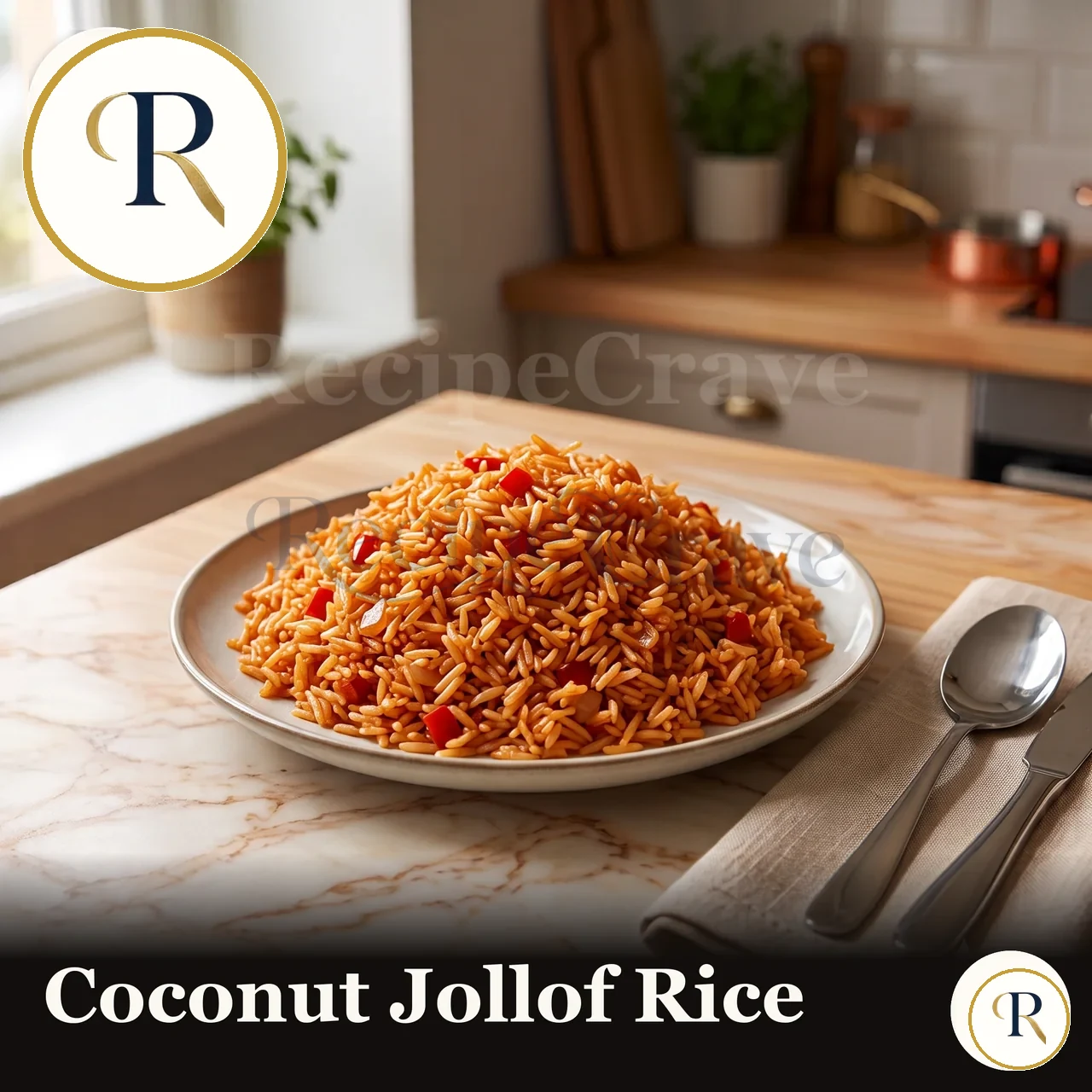
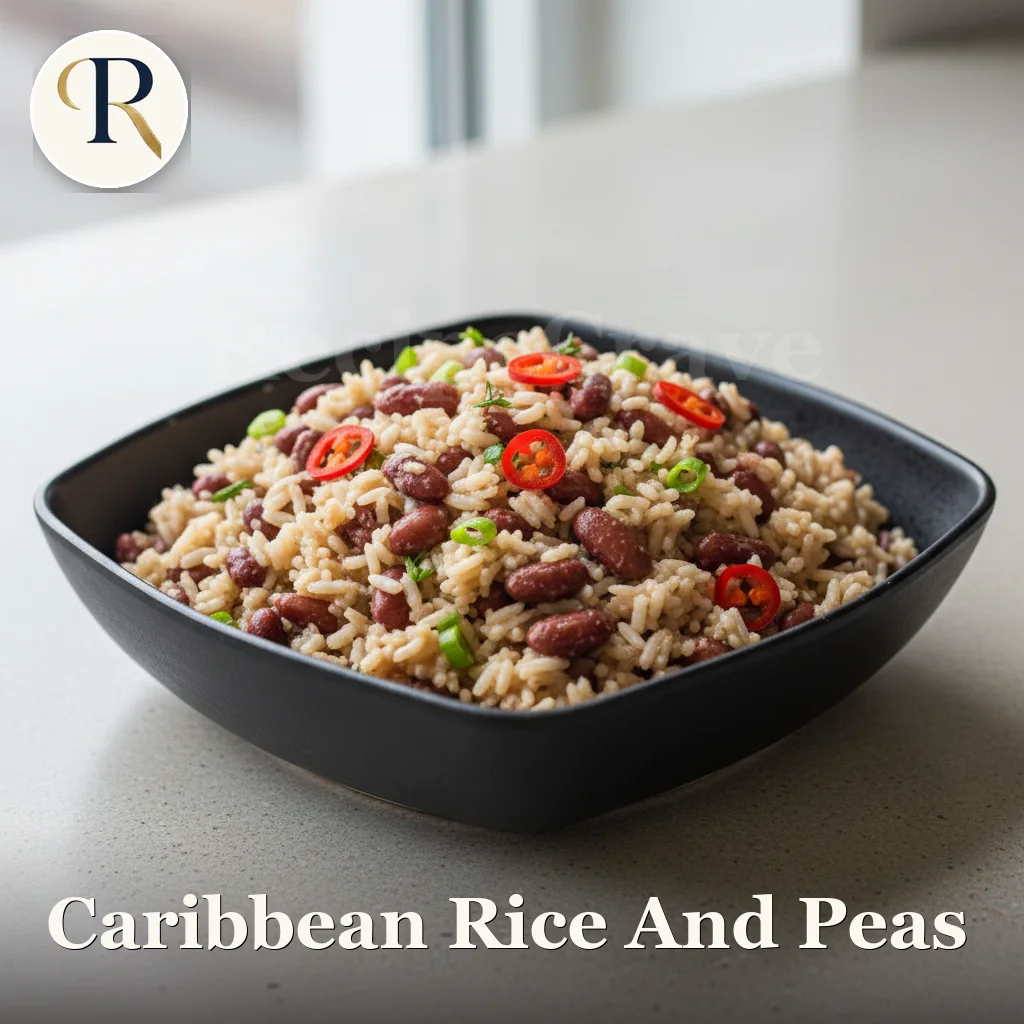
Plain steamed rice is the exam; jollof is the final. In jollof, the water in your ratio is replaced by a blended tomato-pepper base, stock and oil, so precision matters even more. Use parboiled rice for its firmness, resist stirring once the pot is covered, and let the low heat build that smoky bottom layer that party jollof is famous for. Our coconut jollof takes the same principle and swaps part of the liquid for coconut milk, and Caribbean rice and peas does the same trick with kidney beans and thyme. Browse our cuisine guides to see how many food cultures built a signature dish on exactly this method.
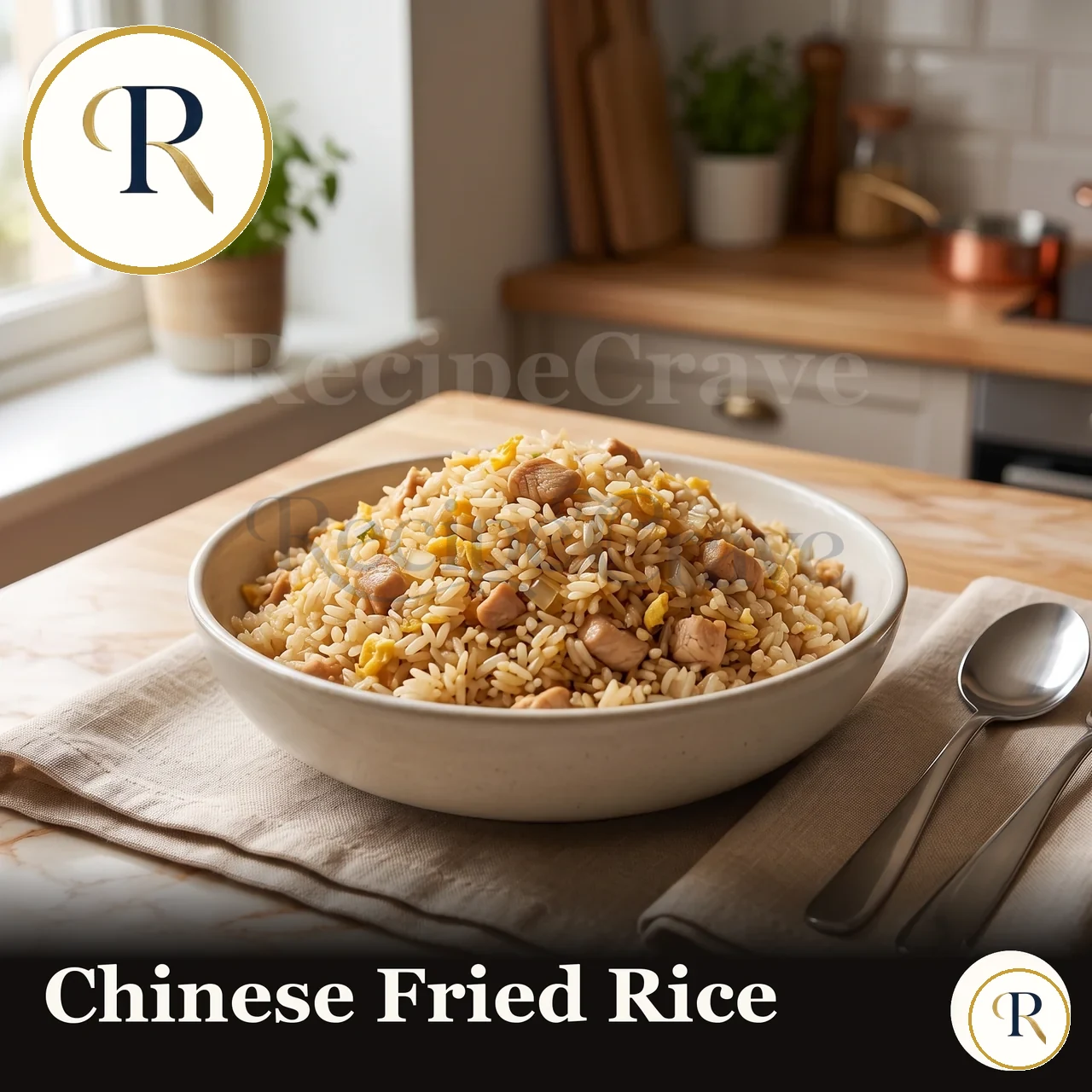
Fried rice flips the logic. Here you want rice that's already cooked, chilled and slightly dried out, ideally from yesterday. Cold day-old grains stay separate and crisp at the edges when they hit a hot wok; freshly cooked rice steams into clumps and turns soggy in the oil. If you're cooking rice specifically for fried rice, spread it on a tray to cool fast, then refrigerate it uncovered for a few hours. It's a perfect use for leftovers, and if you're staring at a bowl of cold rice and half a fridge of odds and ends, our What Can I Cook tool will match them to a recipe.
Scaling up for a crowd? Rice roughly triples in volume when cooked, so one cup of dry rice feeds two to three people as a side. Our kitchen calculators handle the conversions when you're doubling a recipe, and the meal planner makes it easy to cook one big pot and stretch it across several dinners.
Frequently Asked Questions
Why is my rice mushy even when I measure the water?
Usually one of three things: the rice wasn't rinsed, the rice was still dripping wet when you measured (that clinging water counts), or the ratio was right for the wrong rice. Jasmine cooked at 1:2 will be mushy every time; it only needs 1¼ cups of water per cup of rice.
Do I really need to rest rice after cooking?
Yes, and it's not optional if you want evenly cooked grains. During the 10-minute covered rest, moisture that has pooled at the bottom of the pot redistributes upward as steam. Skip it and you get a wet base and a firm top, no matter how well you cooked it.
Can I use the same ratios for brown rice?
No. Brown rice keeps its bran layer, so it needs more water and more time: roughly 1 cup rice to 2 cups water and 40 to 45 minutes, plus the same rest. The rinse, low heat and no-stir rules still apply.
What's the best rice for jollof?
Parboiled (easy-cook) long-grain rice. Its pre-steamed starch keeps grains firm through a long simmer in tomato base, which is why it's the standard across Nigerian and Ghanaian party cooking. Basmati jollof exists and tastes great, but it cooks faster and breaks more easily, so watch it closely and use less liquid.
About the author. The RecipeCrave editorial team, cooks and writers sharing practical, tested home-cooking guidance.
Keep reading
A Beginner's Guide to Grilling Fish, Chicken, and Steak
Grilling looks intimidating from the outside, but almost all of it comes down to a few habits: build heat zones, oil a hot grate, flip once, and learn doneness by feel and temperature. Here is the beginner version, step by step.
Fermenting at Home for Beginners: Yogurt, Pickles, and More
Fermenting at home is easier than it looks. Here is how simple fermentation works, two beginner projects to start with, the small kit you need, and the safety signs that tell a good batch from a bad one.
Understanding Cooking Oils: Which One to Use and When
Every oil has a job. Some are built for high heat and a crisp crust, others are best kept raw and drizzled at the end. Here is how to match the oil to the pan, store it well and reuse it without the off flavors.