
Article
Sunday Batch Cooking: Cook Once, Eat Well All Week
Sunday batch cooking made simple: cook 2-3 proteins, grains, and sauces once, then remix them into different dinners every night of the week.
7 min readby The RecipeCrave Kitchen Team
Sunday batch cooking gets a bad reputation from people who tried it once, ate the same chicken-and-rice box five days running, and quit by Wednesday. That's not batch cooking. That's punishment with a lid on it. Real batch cooking works differently: you spend two focused hours on Sunday cooking a few flexible building blocks, then you spend the rest of the week assembling completely different dinners in fifteen minutes or less.
The trick is what you cook. Not five identical plated meals, but two or three base proteins, a couple of grains, and a handful of sauces that change everything they touch. A tray of shredded chicken becomes tacos on Monday, a peanut noodle bowl on Tuesday, and a soup on Thursday. Same protein, three dinners that taste nothing alike. Here's the whole system, including the food-safety timing that keeps it safe to eat on Friday.
Batch Cooking Is Not Freezer Prep (And That's the Point)
Freezer meal prep means cooking complete dishes, portioning them, and freezing them for weeks ahead. It's brilliant for new parents and chaotic months, but it locks every decision in on day one. Whatever you froze is what you're eating, full stop.
Sunday batch cooking keeps everything in the fridge and keeps the decisions open. You cook components, not finished meals. The chicken doesn't know yet whether it's becoming a wrap or a stir-fry, and that flexibility is exactly what stops the boredom that kills most meal prep habits. It also means everything gets eaten within its safe fridge window instead of developing freezer burn behind a bag of peas from last spring.
The math that makes it worth it
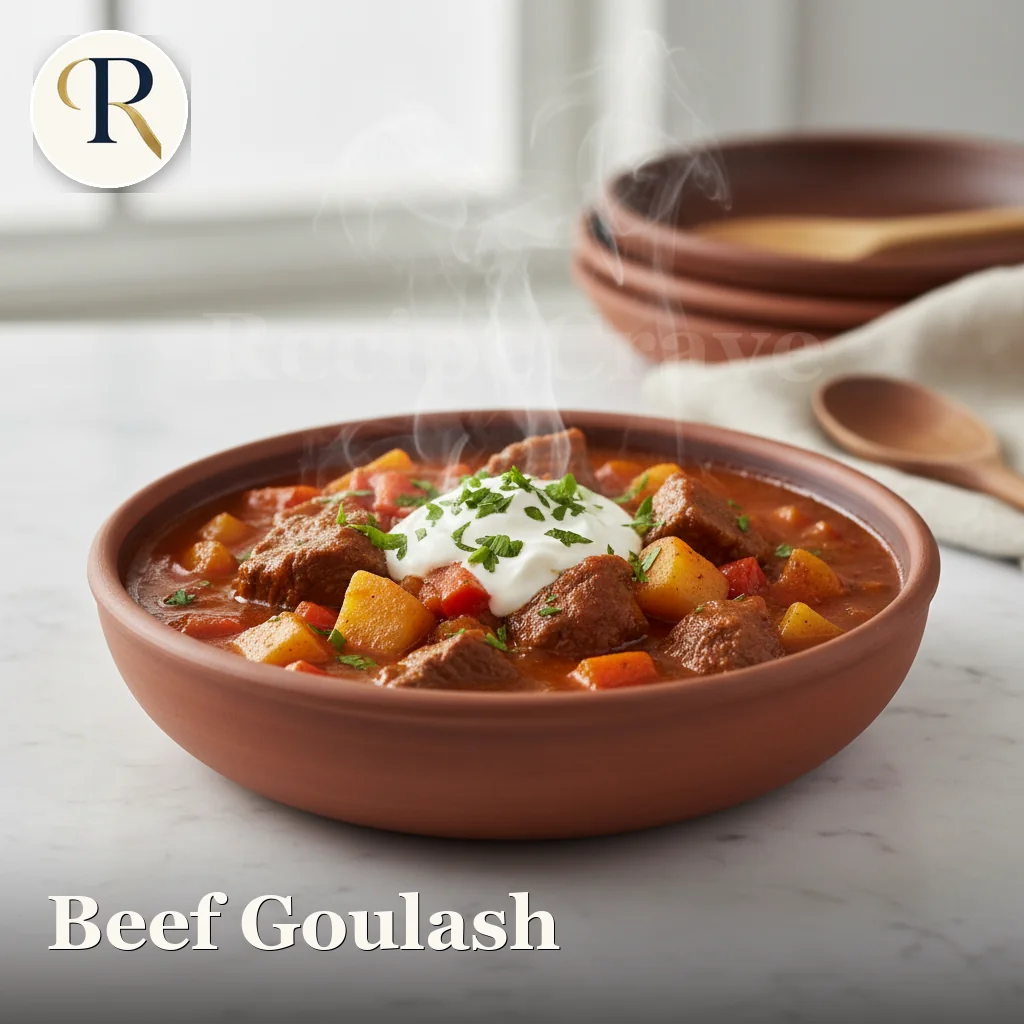
One pot of goulash simmering while a tray of chicken thighs roasts and a pot of rice steams costs you almost no extra effort, the oven and the hob are working in parallel. You wash one round of dishes instead of five. And because you're buying proteins in larger quantities, the per-portion cost drops. Run your usual week through our kitchen calculators and the savings get hard to ignore.
The Sunday Formula: 2-3 Proteins, 2 Grains, 3 Sauces
Here's the template. Adjust quantities to your household, but keep the ratios.
- Protein one, something braised or stewed: a beef goulash, a chicken stew, beans cooked from dried. Braises taste better on day two and reheat beautifully.
- Protein two, something roasted and neutral: a tray of chicken thighs, roasted fish, or hard-boiled eggs. Season simply with salt, pepper, and garlic so it can travel in any flavour direction later.
- Protein three (optional), something plant-based: a pot of lentils or chickpeas. Cheap insurance for the night you want something lighter.
- Two grains: a big pot of rice and something with a different texture, couscous, pasta, or boiled potatoes. Two textures stop the week feeling repetitive.
- Three sauces: this is where the magic lives. A herby green sauce, a spicy tomato-pepper sauce, and a creamy yogurt-based one will remix the same protein into three different cuisines.
Add a bag of sturdy vegetables, cabbage, carrots, peppers, onions, that you'll cook fresh each night in the ten minutes it takes rice to reheat. Browse our recipe collection for braises and stews built to be cooked ahead.

The Remix: One Cook, Five Different Dinners
Say your Sunday produced a beef goulash, roasted chicken thighs, rice, pasta, and your three sauces. Here's how the week plays out:
- Monday: Goulash over pasta, exactly as intended. Braise night one is the reward for Sunday's work.
- Tuesday: Shredded chicken folded through the spicy tomato-pepper sauce, piled into warm wraps with quick-pickled onions and shredded cabbage.
- Wednesday: Fried rice night. Day-old rice fries better than fresh, the grains are drier and crisp instead of clumping. Toss in chopped chicken, an egg, and whatever vegetables are left.
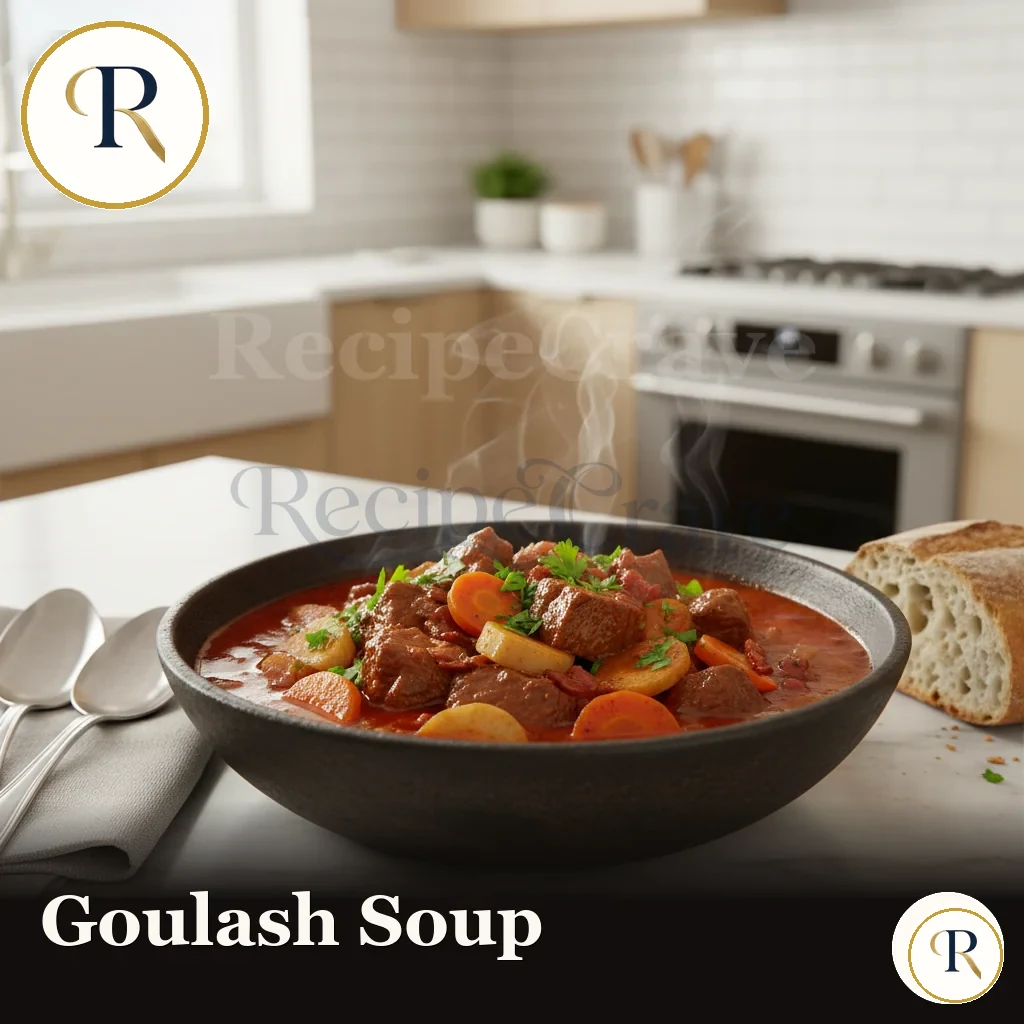
- Thursday: Thin the remaining goulash with stock into a goulash soup, sharpen it with a splash of vinegar, and serve with bread. It tastes like a different dish because it now is one.
- Friday: Grain bowl clear-out. Rice or pasta, the last of any protein, the creamy sauce, and something fresh and crunchy on top.
Notice the pattern: the components repeat, the meals never do. Different sauce, different format, bowl, wrap, soup, plate, different cuisine lean each night. If you get stuck mid-week, our What Can I Cook tool will suggest dishes from whatever's actually in your fridge.
Fridge Shelf Life and Food Safety Timing
Batch cooking lives or dies on getting this right, so here are the conservative rules worth treating as law.
Cooling: the two-hour rule
Get cooked food into the fridge within two hours of cooking, within one hour if your kitchen is very hot. Don't wait for a big pot to cool completely at room temperature; that's the danger zone where bacteria multiply fastest. Split large batches into shallow containers so they cool quickly, and it's fine to refrigerate food that's still slightly warm.
Storage: the 3-4 day window
- Cooked meat, poultry, stews, and soups: 3 to 4 days in a fridge running at or below 40°F (4°C). Cook on Sunday, finish by Thursday. Anything planned for Friday should go in the freezer on Sunday instead.
- Cooked rice: cool it fast, within an hour is the goal, and refrigerate immediately. Use it within 3 days and reheat it until steaming hot all the way through. Rice is the one component that punishes casual handling.
- Cooked grains, pasta, and beans: 3 to 4 days, same as meat.
- Fresh sauces with dairy or herbs: use within 3 days; oil-based sauces generally last a little longer.
Reheating: hot means hot
Reheat leftovers to 165°F (74°C), steaming hot throughout, not just warm at the edges. Bring soups, stews, and gravies to a full boil. Reheat only the portion you're eating; repeatedly warming and re-chilling the whole container ages it fast. When in doubt about a container's age, label lids with masking tape and a marker on Sunday. Your Thursday self won't remember what Sunday self cooked.
Pro tip: Store proteins, grains, and sauces in separate containers instead of pre-assembled meals. Separate components stay at their best texture, cool faster in shallow layers, and leave every remix option open. Assembly takes ninety seconds; soggy pre-mixed rice is forever.
Beating Batch-Cooking Boredom
Boredom is the real enemy, and it's beaten with contrast, not more cooking. Three cheap moves:
- Rotate the flavour base weekly. If this week's sauces leaned Hungarian and Italian, next week go West African: a pepper sauce, a groundnut stew base. Exploring our cuisine guides for one new flavour profile a week keeps the system fresh for months.
- Keep a crunch shelf. Toasted seeds, fried shallots, chopped raw onion, fresh chillies, a lemon. Soft reheated food with something crisp and sharp on top eats like a restaurant plate.
- Change the format, not the food. The same stew served over rice, then as a soup, then folded into a wrap registers as three meals to your brain. Format is flavour's cheapest trick.
Your Two-Hour Sunday Timeline
Here's how it actually runs, hands-on time kept honest:
- 0:00, Goulash or stew on the hob first; it needs the longest simmer. Brown the beef properly, that dark crust on the bottom of the pot is the whole flavour of Thursday's soup.
- 0:20, Chicken thighs seasoned and into the oven. Set a timer and forget them.
- 0:30, Rice on. Second grain (pasta or potatoes) in another pot.
- 0:50, Sauces. All three are ten-minute jobs: blitz the green sauce, simmer the tomato-pepper sauce, stir the yogurt sauce together in the container it'll live in.
- 1:20, Everything's cooked. Spread the rice on a tray to cool fast, pull the chicken, portion into containers, label lids with the day they must be eaten by.
- 2:00, Fridge stocked, kitchen wiped, week handled.
If planning the shopping list is the part that trips you up, our meal planner will map the week's dinners before you ever pick up a knife.
Frequently Asked Questions
How is batch cooking different from meal prepping?
Meal prepping usually means assembling complete, identical meals into portioned containers. Batch cooking means preparing flexible components, proteins, grains, sauces, that you combine differently each night. Batch cooking takes a few extra minutes at dinnertime but wins on variety, which is why people actually stick with it.
How long does batch-cooked food last in the fridge?
Cooked meat, poultry, stews, grains, and beans keep 3 to 4 days in a fridge at or below 40°F (4°C). Cooked rice is best used within 3 days and must be cooled quickly after cooking. If any component won't be eaten within that window, freeze it on Sunday rather than gambling later in the week.
Can I batch cook without a big freezer?
Yes, that's exactly what this method is for. Everything lives in the fridge and gets eaten within 3 to 4 days, so you need shelf space and containers, not a chest freezer. A small freezer drawer is still handy for anything you decide to hold past Thursday.
What are the best proteins for batch cooking?
Braised and stewed meats, goulash, chicken stew, beef in sauce, because they reheat without drying out and often taste better on day two. Roasted chicken thighs beat breasts for the same reason. Beans and lentils are the best value of all: cheap, sturdy, and happy in any sauce you pair them with.
About the author. The RecipeCrave editorial team, cooks and writers sharing practical, tested home-cooking guidance.
Keep reading
A Beginner's Guide to Grilling Fish, Chicken, and Steak
Grilling looks intimidating from the outside, but almost all of it comes down to a few habits: build heat zones, oil a hot grate, flip once, and learn doneness by feel and temperature. Here is the beginner version, step by step.
Fermenting at Home for Beginners: Yogurt, Pickles, and More
Fermenting at home is easier than it looks. Here is how simple fermentation works, two beginner projects to start with, the small kit you need, and the safety signs that tell a good batch from a bad one.
Understanding Cooking Oils: Which One to Use and When
Every oil has a job. Some are built for high heat and a crisp crust, others are best kept raw and drizzled at the end. Here is how to match the oil to the pan, store it well and reuse it without the off flavors.