
Article
Spices 101: How to Build Deep Flavor in Everyday Cooking
Learn how to build deep flavor with spices: blooming in oil, whole vs ground, layering, timing, a starter spice shelf, and storage tips that actually work.
8 min readby The RecipeCrave Kitchen Team
Here's a quiet truth most recipes never spell out: the difference between food that tastes flat and food that tastes deep usually isn't the ingredients list. It's how to build flavor with spices, when they go in the pot, whether they hit hot oil first, and whether they were ground last month or three years ago. Two cooks can follow the same curry recipe with the same shopping bag and produce dinners that taste nothing alike.
The good news is that spice technique isn't a talent. It's a handful of habits, blooming, layering, timing, and keeping your jars fresh, and every one of them is learnable in an afternoon. Once they click, you'll taste the change in everything from a weeknight jollof to a Sunday braise. Let's walk through the whole system, starting with the single most useful move in the spice playbook.
Blooming: the one technique that changes everything
Most of the flavor compounds in spices are fat-soluble, not water-soluble. Drop ground cumin into a simmering pot of water-based sauce and much of its aroma stays locked inside the powder. Sizzle that same cumin in hot oil for thirty seconds and the fat pulls those compounds out, spreads them through the whole dish, and toasts them a little on the way, deeper, rounder, almost nutty.
That's blooming. Indian cooks call the whole-spice version tadka or tarka; in a lot of West African kitchens the same logic lives in the moment the pepper-and-onion base hits hot oil and the whole house knows dinner has started. The technique is the same everywhere:
- Heat a few tablespoons of oil (or ghee, or butter) over medium heat until it shimmers.
- Add your spices, whole first, ground a little later, since powders burn faster.
- Stir for 30 to 60 seconds. You're waiting for the smell to change: sharp and dusty becomes warm and toasty. Whole seeds may crackle or pop.
- Add your onions, garlic, tomatoes, or liquid before anything darkens past deep golden.
The line between bloomed and burnt is real, so keep the heat moderate and your next ingredient within arm's reach. Burnt spices turn acrid and there's no rescuing them, wipe the pan and start over. It costs you ninety seconds and saves the whole pot.
Whole vs ground: what to buy and when to use each
Whole spices are sealed containers. A cumin seed keeps its aromatic oils tucked inside for a couple of years; the moment it's ground, those oils start evaporating, and the clock speeds up dramatically. That's the entire argument in one sentence.
When whole spices win
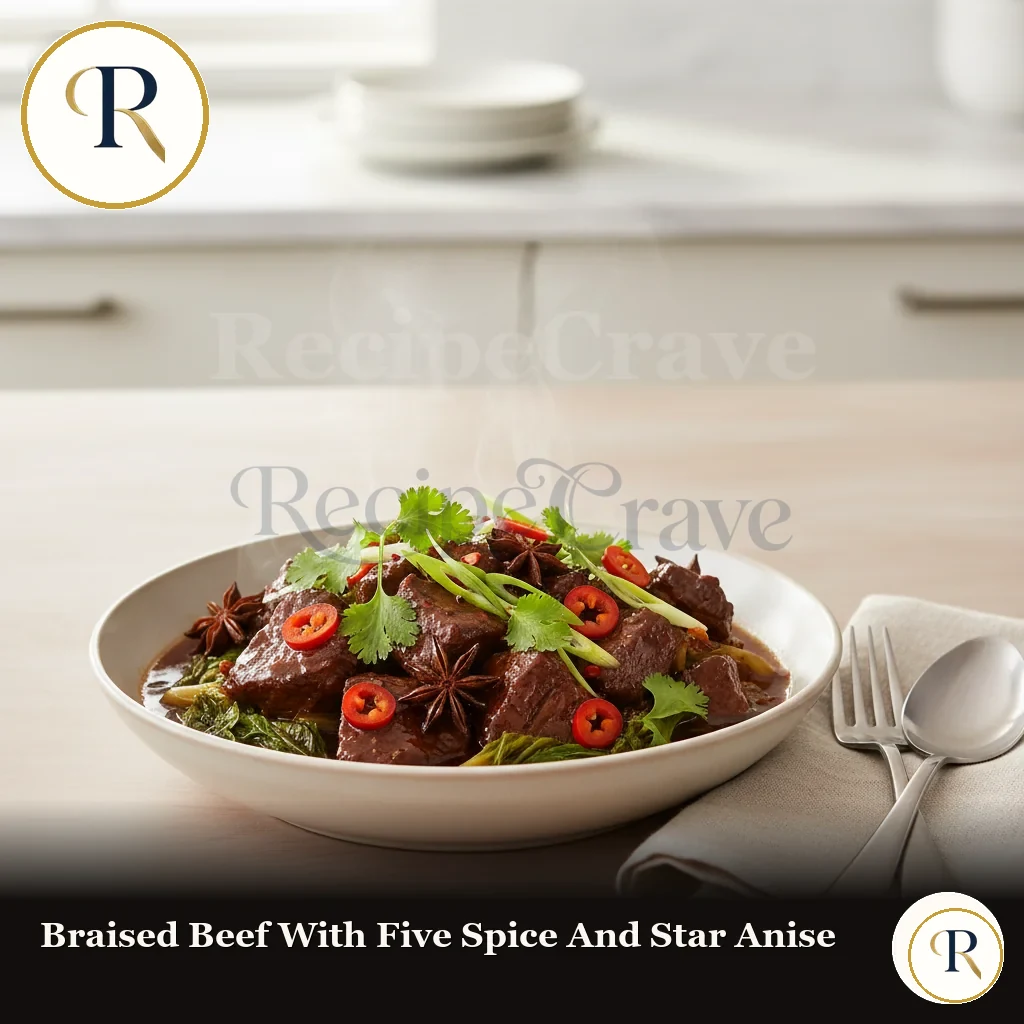
Use whole spices when the dish has time to coax flavor out of them: long braises, stews, stocks, and infused rice. A cinnamon stick, a few cardamom pods, or a star anise dropped into a pot releases flavor slowly and evenly for hours without turning bitter. This is why five-spice braised beef tastes like it simmered for a week, star anise and cinnamon keep giving the entire time. Toasting whole spices dry in a pan, then grinding them yourself, is the single biggest flavor upgrade available for the price of a $15 grinder.
When ground spices win
Ground spices are about speed and coverage. They disperse instantly, so they're right for quick weeknight cooking, spice rubs, marinades, and anywhere you want flavor in every bite rather than a slow perfume. There's no shame in a well-stocked shelf of ground spices, the trick is buying small jars and replacing them often, which we'll get to below.
Layering: how to build flavor with spices in stages
Great cooks rarely add all their spices at once. They add them in waves, because the same spice does different work depending on when it goes in. Think of it as three layers:
- The base layer, spices bloomed in oil at the start. These become the backbone of the dish: deep, mellow, fully integrated. Cumin, coriander, turmeric, curry powder, and paprika all belong here.
- The middle layer, spices added with the liquid or partway through a simmer. They keep more of their individual character. Bay leaves, whole chilies, and cinnamon sticks do their best work in this window.
- The finishing layer, delicate spices stirred in during the last few minutes, or right off the heat. Garam masala, freshly ground black pepper, ground cardamom, and sumac lose their brightness in a long simmer, so they go in late, where they land on top of the deeper base notes.
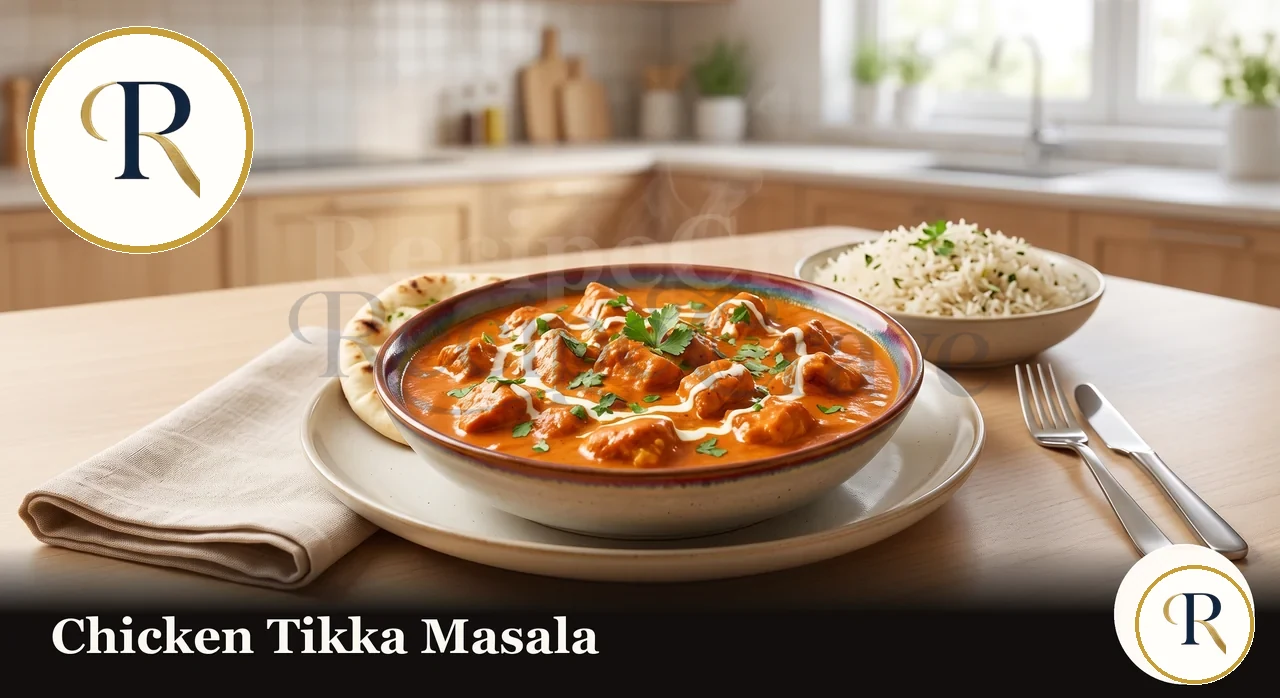
This is why a proper chicken tikka masala tastes three-dimensional: the chicken carries spice from its marinade, the sauce carries bloomed spice from the pan, and a final pinch of garam masala floats over everything. Same jars, three different jobs. If you'd like practice dishes for this, browse the curries and stews by region on our cuisines page, West African, Indian, and Middle Eastern cooking will all drill the habit into you fast.
Timing cheat sheet: when to add what
If you remember nothing else, remember this: sturdy spices early, fragile spices late.
- Start of cooking (bloom in oil): cumin, coriander, mustard seeds, turmeric, paprika, curry powder, whole dried chilies, fenugreek.
- With the liquid: cinnamon sticks, star anise, bay leaves, cloves, cardamom pods, allspice berries.
- Last 5-10 minutes or off the heat: garam masala, ground cardamom, freshly cracked pepper, nutmeg, sumac.
- Rubs and marinades: almost anything ground, give it at least 30 minutes on the meat, and ideally overnight.
One caveat on turmeric and paprika: both bloom beautifully but burn in seconds because they're so fine. Add them after the onions have softened, not into bare hot oil, and keep things moving.
The starter spice shelf: 12 jars that cook almost everything
You don't need forty jars. You need about a dozen good ones, and the discipline to keep them fresh. If you're building from zero, buy these first:
- Cumin (whole seeds if you can), the workhorse of half the world's kitchens.
- Coriander, citrusy and gentle; cumin's best friend.
- Smoked paprika, instant depth for beans, chicken, and rice.
- Turmeric, earthy color and warmth for curries and stews.
- Curry powder, a solid one is the backbone of countless one-pot dinners.
- Cinnamon, sticks for braises, ground for baking and stews.
- Star anise, two pods transform a beef braise or a pot of tomato sauce.
- Black peppercorns, whole, always, with a grinder.
- Chili flakes or ground dried chili, heat you can control.
- Ginger (ground), for rubs, baking, and anywhere fresh ginger isn't handy.
- Garam masala, the finishing spice that makes curries taste finished.
- Bay leaves, quiet, but soups notice when they're missing.
With those twelve you can cook most of what's on our recipe library without another purchase. Not sure what tonight's dinner should be? Tell What Can I Cook what's in your kitchen and it'll match you with recipes that use the spices you already own.
Storage and freshness: why your spices taste like dust
Spices don't spoil in a way that makes you sick, they just quietly stop tasting like anything. Heat, light, air, and moisture are the four enemies, which makes the classic spot for a spice rack (directly above the stove, in full daylight) roughly the worst place in the house for it.
The rules that matter
- Keep them cool and dark. A drawer or cupboard away from the stove beats an open rack every time.
- Keep them sealed. Airtight jars, lids on tight. Never shake a jar directly over a steaming pot, the steam gets in, the powder clumps, and flavor fades faster. Spoon it out instead.
- Buy small. A big-box bag of ground cumin feels like a bargain until year two, when it tastes like the bag.
- Date your jars. A strip of masking tape and a marker. As a rough guide, ground spices are at their best for about a year; whole spices hold on for two to three.
The honest test is your nose. Open the jar and take a real sniff: if the smell doesn't reach out and meet you, the spice won't reach your food either. Rub a pinch between your fingers, fresh spice wakes up; tired spice just smells faintly of shelf. Tired ground spices can still work at double quantity in a pinch, but put them on the replacement list.
Pro tip: once a month, pick your three most-used ground spices and give each the sniff test. Rotating a few jars at a time keeps your shelf honest without ever forcing a $60 restock, and it pairs well with a proper plan; our meal planner makes it easy to build a week around whatever needs using up.
Putting it together: one pot, all the habits
Take a simple beef braise. Bloom cumin and coriander in the oil before the beef goes in. Drop a cinnamon stick and two star anise in with the stock, whole, because they have hours to work. In the last ten minutes, grind fresh pepper over the pot and check the salt. Every technique in this guide, one dinner, nothing harder than the flat version. Dried herbs follow the same logic, sturdy ones early, delicate ones late, and our herb guides go deeper on that side of the shelf.
Frequently Asked Questions
Do I really need to bloom spices, or can I just stir them into the sauce?
You can stir them in and the food will be fine, bloomed spices just taste noticeably deeper because the fat extracts and toasts compounds that water can't. If a dish tastes flat and you can't figure out why, this is usually the missing step. Thirty seconds in hot oil is the cheapest upgrade in cooking.
Is it worth buying a spice grinder?
If you cook more than twice a week, yes. A basic blade grinder costs about as much as two takeout meals, and freshly ground cumin or coriander is a different ingredient from the pre-ground version, louder, brighter, more alive. Toast the whole seeds in a dry pan until fragrant first, cool them for a minute, then grind.
How can I tell if a spice is too old to use?
Smell it. Open the jar, sniff, and rub a pinch between your fingers. Fresh spice announces itself; stale spice smells faint and dusty. Old spices aren't unsafe, they're just weak. You can compensate by using more, but past a certain point no quantity of dead cumin tastes like cumin.
What's the difference between curry powder and garam masala?
Curry powder is a base-layer blend, usually turmeric-heavy, built to be bloomed in oil at the start of cooking. Garam masala is a finishing blend of warm, delicate spices like cardamom, cinnamon, and clove, added in the final minutes so its aroma survives to the table. They're teammates, not substitutes: many great curries use both, at opposite ends of the cooking time.
About the author. The RecipeCrave editorial team, cooks and writers sharing practical, tested home-cooking guidance.
Keep reading
A Beginner's Guide to Grilling Fish, Chicken, and Steak
Grilling looks intimidating from the outside, but almost all of it comes down to a few habits: build heat zones, oil a hot grate, flip once, and learn doneness by feel and temperature. Here is the beginner version, step by step.
Fermenting at Home for Beginners: Yogurt, Pickles, and More
Fermenting at home is easier than it looks. Here is how simple fermentation works, two beginner projects to start with, the small kit you need, and the safety signs that tell a good batch from a bad one.
Understanding Cooking Oils: Which One to Use and When
Every oil has a job. Some are built for high heat and a crisp crust, others are best kept raw and drizzled at the end. Here is how to match the oil to the pan, store it well and reuse it without the off flavors.