
Article
Smoothies vs. Juicing: Which Fits Your Kitchen?
Smoothies vs. juicing compared honestly: fiber, cost, cleanup, and equipment. Find which fits your kitchen, plus three starter smoothie formulas.
8 min readby The RecipeCrave Kitchen Team
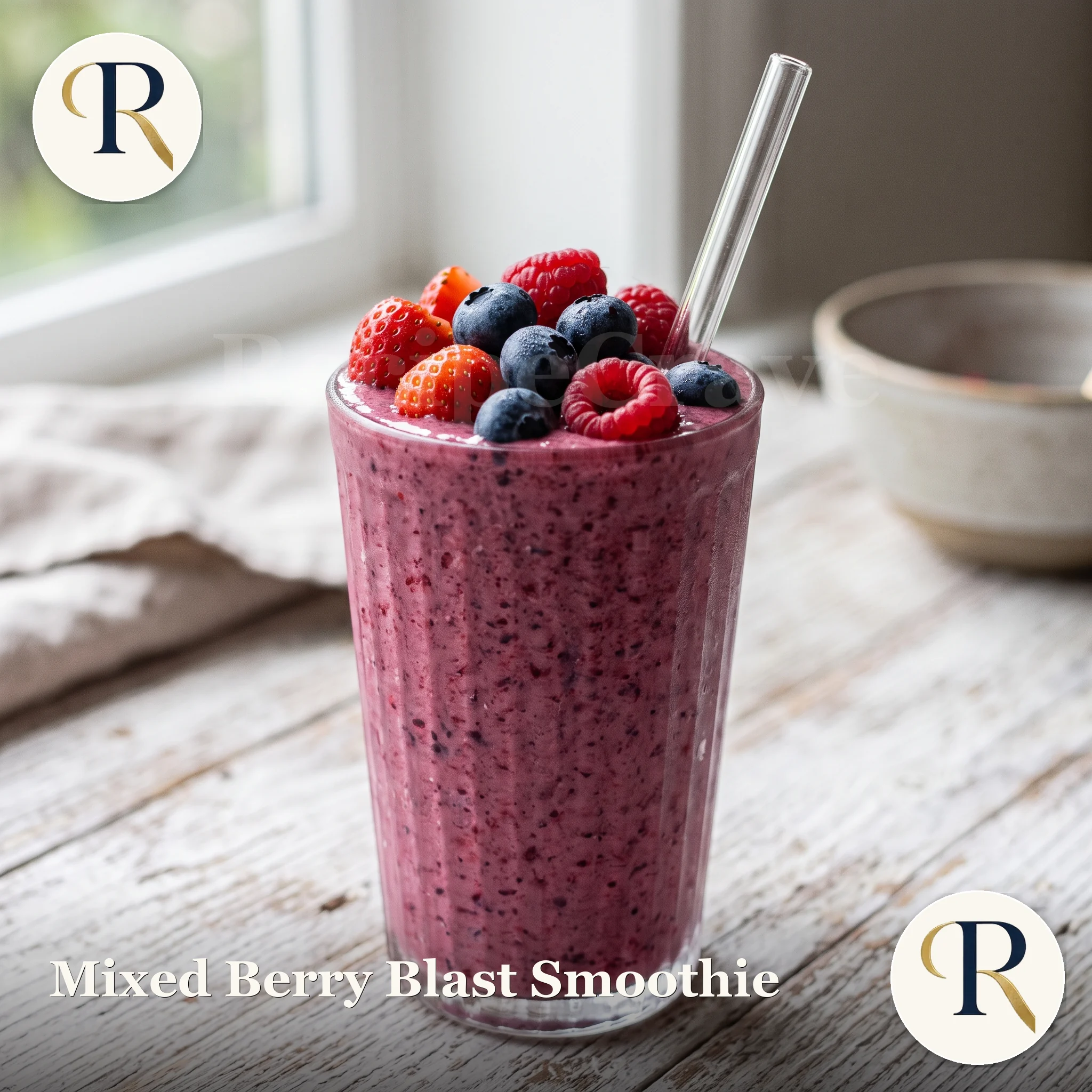
Stand in any kitchen appliance aisle long enough and you'll face the question: blender or juicer? Both promise the same glowing outcome, more fruit and veg in your day, but the smoothies vs. juicing decision plays out very differently once the machine is actually on your counter. One keeps everything you put into it. The other pulls out the liquid and leaves a surprising mound of pulp behind. One rinses clean in thirty seconds. The other has a mesh screen you'll come to know intimately.
We've run both machines through the same weekly shop, and the honest answer is that neither wins outright. It depends on your budget, your counter space, your patience for cleanup, and what you actually want in the glass. Here's the full comparison, plus three starter smoothie formulas you can build from whatever's in your fridge right now.
The Core Difference: Fiber Stays or Fiber Goes
A blender pulverizes the whole fruit, skin, flesh, seeds and all, so everything you loaded ends up in your cup. A juicer separates the liquid from the solids, and the fiber-rich pulp goes into a collection bin (or, in a thrifty kitchen, into muffins and soup stock).
That single mechanical difference drives almost everything else. Because smoothies keep the fiber, they tend to feel like a small meal: thicker, slower to drink, and more filling. Many people find a smoothie holds them over until lunch in a way a juice doesn't. Juice, with the pulp removed, goes down fast and light, closer to a beverage than a breakfast.
Fiber is generally considered a good thing to keep in your diet, and whole-fruit preparations are usually the more conservative choice if you're drinking fruit regularly. Juice concentrates the sweetness of several pieces of fruit into one quick glass, so a juice-heavy habit can add up faster than most people expect. That's not a reason to fear juice, a fresh carrot-apple-ginger juice is a lovely thing, but it's worth knowing what each machine is actually doing to your produce.
What that means in practice
- Smoothie: one banana, a handful of spinach, and a cup of frozen berries makes a full 16-ounce glass. Nothing wasted.
- Juice: that same produce might yield half a glass, and you'd typically juice four or five apples or a pound of carrots to fill it.
- The pulp bin: after a week of juicing you'll understand why juicer owners develop strong opinions about carrot-pulp muffins.
Cost: Where Juicing Quietly Gets Expensive
The machines themselves overlap in price, you can find basic blenders and centrifugal juicers at similar entry points, and both categories climb steeply from there. The real cost difference is in the produce.
Because juicing extracts only the liquid, it simply consumes more fruit and vegetables per glass. A juicing habit can double or triple your produce bill compared with blending the same number of drinks. Blending is far more forgiving of a tight budget: frozen fruit works beautifully (often better than fresh, since it chills and thickens the drink), slightly soft bananas are ideal, and yesterday's spinach that's lost its salad crispness blends in without complaint.
If you're weighing the ongoing cost, our kitchen calculators can help you price out a week of ingredients before you commit to either habit. And if budget is the deciding factor, the smoothie wins comfortably: freezer-aisle fruit, oats, peanut butter, and bananas are some of the cheapest calories in the supermarket.
Cleanup: The Thirty-Second Rinse vs. The Mesh Screen
Nobody warns you about this part in the appliance aisle, so we will: cleanup is where most juicers go to die, pushed to the back of the cupboard behind the slow cooker.
A blender jar cleans itself, more or less. Fill it halfway with warm water, add a drop of dish soap, run it for twenty seconds, rinse. Done. Even a thorough hand-wash is one jar and one lid.
A juicer disassembles into five or more parts: hopper, auger or spinning basket, mesh strainer, pulp bin, juice jug. The mesh strainer is the villain, fine pulp lodges in it and dries like concrete if you leave it even an hour. Most juicer owners keep a stiff brush by the sink for exactly this reason. Budget ten minutes per session, and do it immediately.
The honest cleanup scorecard
- Blender, quick rinse: under a minute.
- Blender, full wash: two to three minutes.
- Juicer, done promptly: five to ten minutes.
- Juicer, left until after work: a soaking session and some regret.
Equipment: What You Actually Need to Start
For smoothies, almost any blender will do the job if you follow one rule: liquid first, soft things next, frozen things last, and don't overfill. A modest machine handles bananas, yogurt, and frozen berries fine. Where cheap blenders struggle is with hard, fibrous loads, big handfuls of kale, whole nuts, lots of ice, so start your recipes around what your machine can handle rather than fighting it.
For juicing, you'll choose between two main types. Centrifugal juicers are cheaper and fast, they shred produce against a spinning basket with a jet-engine whir. Masticating (slow) juicers crush produce quietly with an auger; they cost more, take longer, and generally squeeze more juice from leafy greens and soft fruit. If you dream of green juice specifically, the slow juicer is the better tool. If you mostly want carrot-apple-ginger on Saturday mornings, centrifugal is fine.
Counter space matters too. A blender is one upright jar. A juicer is a small appliance committee. If your kitchen is tight, that alone may settle the smoothies vs. juicing question.
When Each One Shines
Reach for the blender when you want breakfast in a glass, when you're feeding kids who'd rather drink their fruit than eat it, when the budget is tight, or when five minutes is genuinely all you have. Smoothies also hide vegetables graciously, spinach disappears into anything with berries, and cooked-then-frozen cauliflower vanishes into a banana base.
Reach for the juicer when you want something light and clean-tasting rather than filling, when you've got a produce glut to work through (a juicer is heroic in courgette season), or when you simply love the taste of fresh juice, because nothing from a carton compares. Weekend juicing as a small ritual, with the cleanup done while you sip, is where juicers earn their keep.
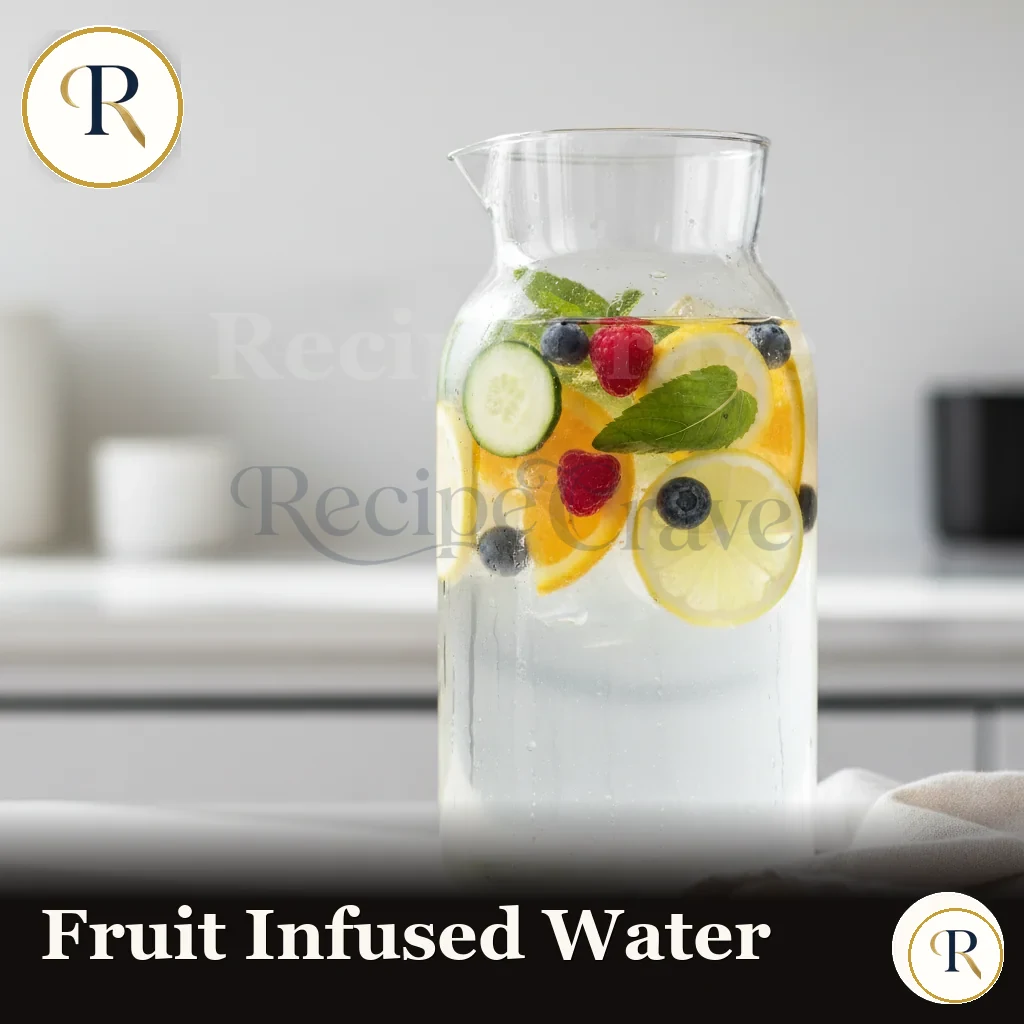
And if some mornings you want neither machine, a jug of fruit-infused water delivers the fresh-fruit lift with zero appliances at all.
Three Starter Smoothie Formulas
Skip the recipe hunt. Smoothies follow a formula, and once you know it you can build one from whatever's around. The base pattern: 1 cup liquid + 1 banana or ½ cup yogurt (for body) + 1 to 1½ cups fruit + optional handful of greens or spoonful of nut butter. Blend liquid first, frozen last.
1. The Berry Standby
- 1 cup milk (dairy or oat)
- 1 ripe banana
- 1 cup frozen mixed berries
- Optional: a spoonful of honey if your berries are tart
Purple, cold, and reliable. This is the one to memorize.
2. The Peanut Butter Breakfast
- 1 cup milk
- 1 frozen banana (peel before freezing, learn this once)
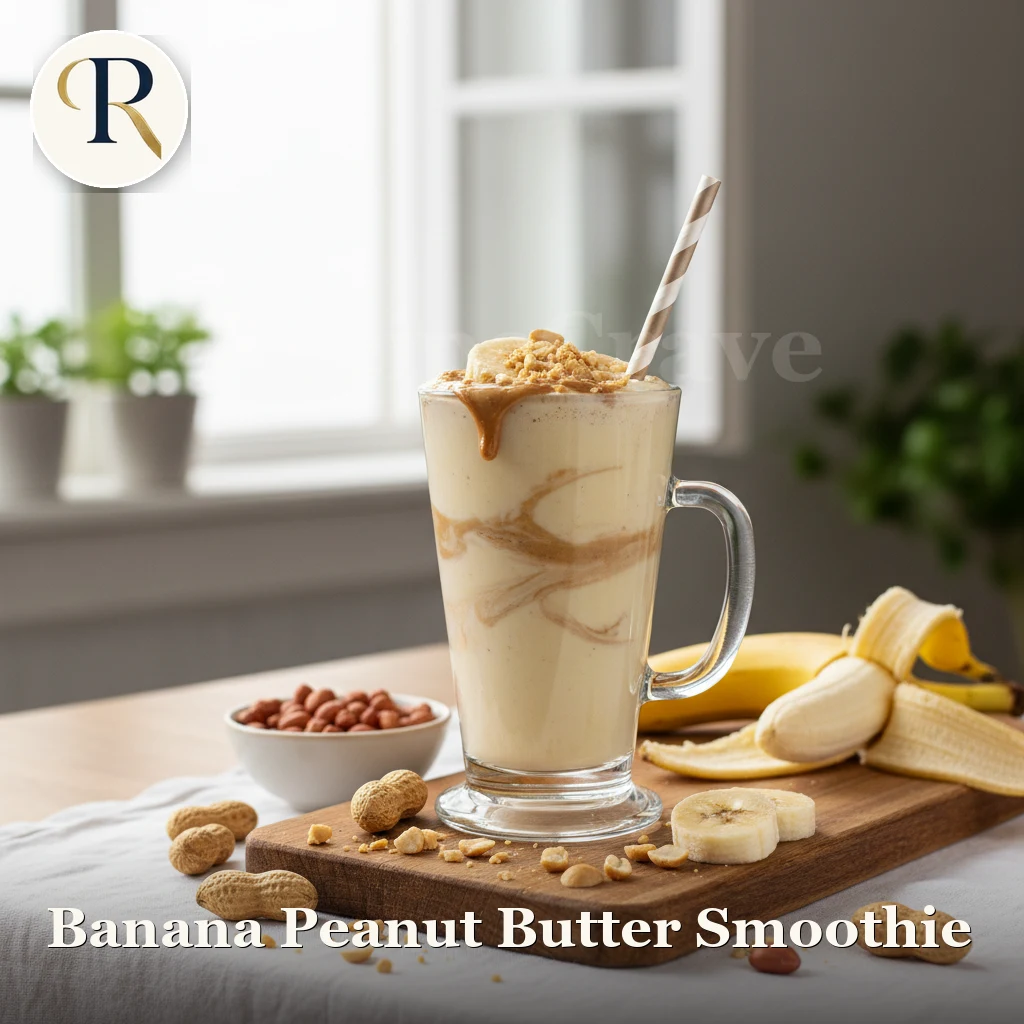
- 1 heaped tablespoon peanut butter
- 2 tablespoons oats
- Pinch of cinnamon
Thick enough to need a wide straw. The oats make it feel like an actual breakfast, and many people find it keeps them full through the morning.
3. The Gentle Green
- 1 cup water or coconut water
- 1 big handful of spinach (blend with the liquid first until smooth)
- 1 banana
- 1 cup frozen mango or pineapple
- Squeeze of lime
Mango and pineapple are sweet enough to carry the spinach completely, this tastes tropical, not grassy. Blending the greens with the liquid before adding fruit is the trick that stops flecky, gritty green smoothies.
Pro tip: Build freezer smoothie packs on Sunday. Portion fruit, greens, and oats into bags, one bag per smoothie, then each morning it's dump, pour, blend. It turns the smoothie habit from a decision into a reflex, and it rescues fruit that's a day from the bin. Our meal planner can help you slot them into the week.
This article is for general information only and is not medical advice. Talk to your doctor or a registered dietitian before making changes tied to a health condition.
Frequently Asked Questions
Is a smoothie or a juice better for weight management?
Neither is a magic tool, but smoothies keep the fiber, which may help you feel fuller for longer on the same fruit. Juice is easier to over-drink because it's so quick to swallow. If satiety matters to you, the blender is usually the more helpful machine, and portion size matters with both.
Can I make smoothies without a fancy high-speed blender?
Yes. A basic blender handles bananas, yogurt, berries, and spinach without trouble. Add liquid first, cut hard ingredients small, use frozen fruit instead of ice cubes, and pause to stir if it stalls. Save the heavy loads, whole nuts, mountains of kale, for when you upgrade.
What do I do with all the juicer pulp?
Don't bin it. Carrot and apple pulp folds into muffins and pancakes; vegetable pulp enriches soup stock, fritters, and veggie burgers; any of it can go to compost. Browse our blog for low-waste kitchen ideas, pulp is just pre-grated produce, and thrifty cooks treat it that way.
Are green juices healthier than green smoothies?
Not automatically. Both deliver produce in a glass; the smoothie keeps the fiber while the juice concentrates the liquid from a larger amount of vegetables. Some people find juice gentler to drink and smoothies more filling, it's genuinely a matter of which one you'll actually make on a Tuesday. The best option is the one that becomes a habit.
About the author. The RecipeCrave editorial team, cooks and writers sharing practical, tested home-cooking guidance.
Keep reading
A Beginner's Guide to Grilling Fish, Chicken, and Steak
Grilling looks intimidating from the outside, but almost all of it comes down to a few habits: build heat zones, oil a hot grate, flip once, and learn doneness by feel and temperature. Here is the beginner version, step by step.
Fermenting at Home for Beginners: Yogurt, Pickles, and More
Fermenting at home is easier than it looks. Here is how simple fermentation works, two beginner projects to start with, the small kit you need, and the safety signs that tell a good batch from a bad one.
Understanding Cooking Oils: Which One to Use and When
Every oil has a job. Some are built for high heat and a crisp crust, others are best kept raw and drizzled at the end. Here is how to match the oil to the pan, store it well and reuse it without the off flavors.