
Article
Refreshing Homemade Drinks: No Fancy Equipment Needed
Make refreshing homemade drinks with just a pot and a pitcher: real lemonade, infused waters, iced teas, ginger beer, and mocktails that beat store-bought.
9 min readby The RecipeCrave Kitchen Team
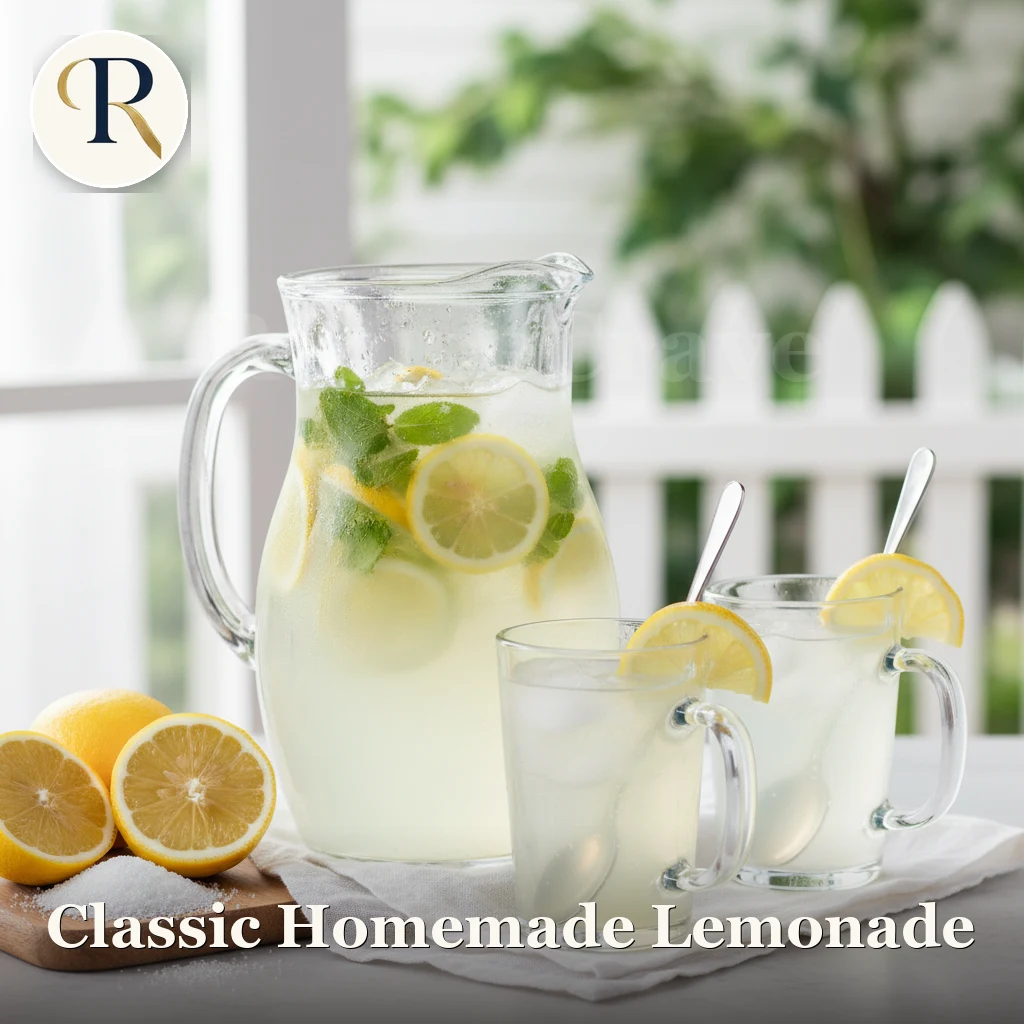
There's a moment on a hot afternoon when a glass of something cold and homemade beats anything with a barcode. The clink of ice against the pitcher, the smell of lemon oil on your fingers, that first sharp-sweet sip, none of it requires a juicer, a soda machine, or a cocktail kit. Refreshing homemade drinks come together with a saucepan, a pitcher, a knife, and maybe a fine sieve. That's the whole equipment list for this entire article.
What you get in return is control. You decide how sweet the lemonade is, how strong the tea brews, how much fire the ginger beer carries. You also spend a fraction of what bottled drinks cost, a bag of lemons and a cup of sugar makes more lemonade than two cartons from the shop. Below you'll find the one technique that underpins everything (simple syrup), then lemonades, infused waters, iced teas, a shortcut ginger beer, and mocktails built for guests, plus honest ways to cut the sugar without cutting the pleasure.
Simple Syrup: The Five-Minute Skill Behind Every Great Drink
If you've ever stirred sugar into an iced drink and watched it sink to the bottom in a gritty layer, you already know why syrup matters. Sugar barely dissolves in cold liquid. Dissolve it in hot water first and it blends into anything, instantly and evenly.
The basic method
- Combine equal parts sugar and water in a small pot, one cup of each is a good starting batch.
- Warm over medium heat, stirring, just until the liquid turns clear. It doesn't need to boil.
- Cool, pour into a clean jar, and refrigerate. It keeps for about two weeks.
Flavored syrups, same pot
Drop aromatics into the warm syrup and let them steep for ten to fifteen minutes as it cools, then strain. Try any of these:
- Ginger: a thumb-sized piece, sliced thin, no need to peel
- Mint or basil: a generous handful, stems and all
- Citrus peel: strips of lemon, lime, or orange zest, white pith avoided
- Hibiscus: a small handful of dried petals for a tart, ruby-red syrup
- Lavender or lemongrass: a light hand here, a teaspoon of buds or one bruised stalk
One jar of flavored syrup turns plain sparkling water into something you'd pay for at a café. If you grow your own herbs or want to know what pairs with what, our herb guide covers the flavor profiles worth knowing.
Homemade Lemonade That Actually Tastes Like Lemons
The classic ratio is easy to hold in your head: 1 part lemon juice, 1 part simple syrup, 4 parts cold water. For a standard pitcher that's one cup of juice (about five or six lemons), one cup of syrup, and four cups of water. Taste and adjust, lemons vary wildly in sourness, and so do people.
Three tricks for better lemonade
- Roll before you juice. Press each lemon firmly against the counter and roll it under your palm. The flesh breaks down inside and gives up noticeably more juice.
- Steep the spent halves. After juicing, drop two or three squeezed halves into the pitcher for ten minutes. The oils in the peel add a fragrance bottled lemonade never has. Pull them out before they turn bitter.
- Salt, barely. A tiny pinch of salt in the pitcher rounds out the acidity. You won't taste salt, you'll just notice the lemonade tastes more complete.
Easy variations
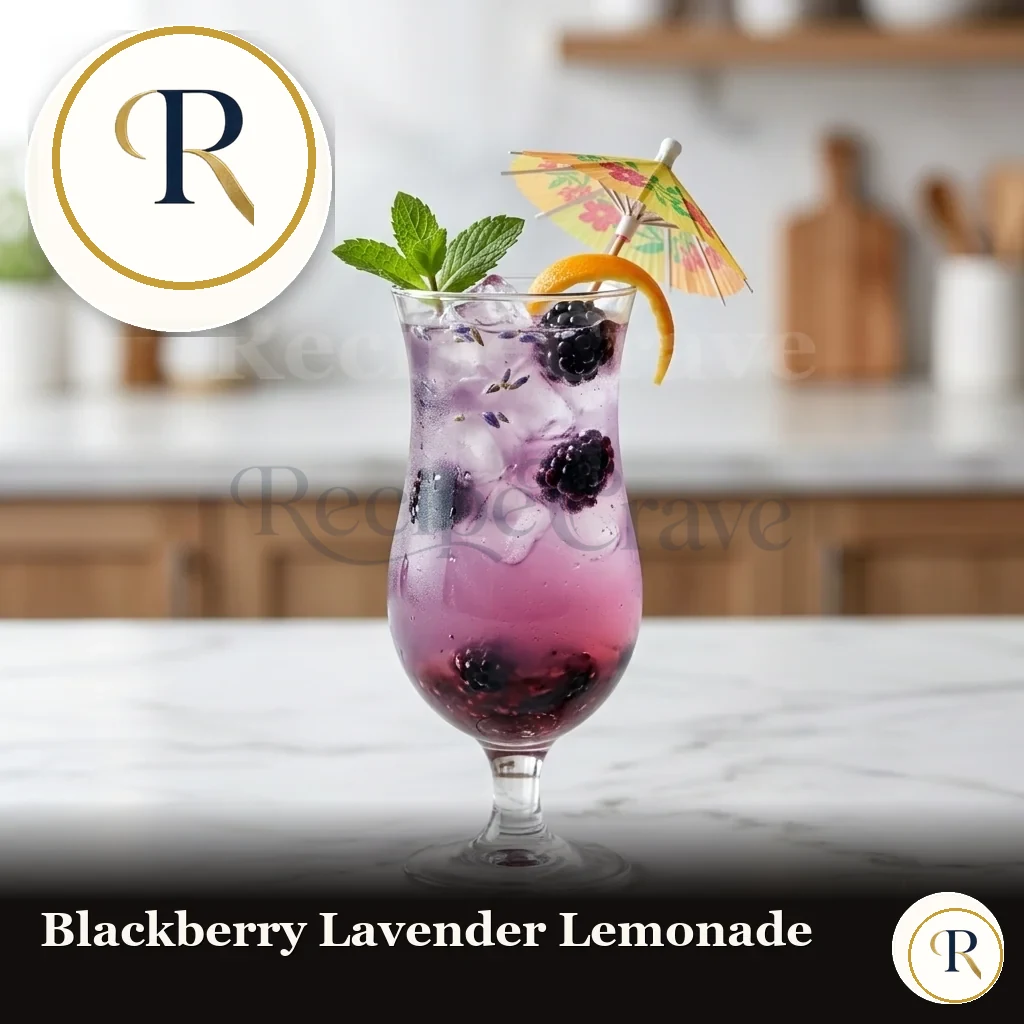
Once the base is down, the pitcher becomes a canvas. Muddle a handful of strawberries or blackberries in the bottom before adding the liquid. Swap half the water for brewed-and-cooled green tea. Use that ginger syrup instead of plain. Or go floral, a lavender syrup with blackberries makes a lemonade that looks as striking as it tastes.
Infused Waters: Zero Sugar, Zero Effort
Infused water is the laziest drink in this article and possibly the most useful. Fill a pitcher with cold water, add fruit and herbs, refrigerate for at least two hours (overnight is better), and drink within a day or two.
Combinations that earn their place
- Cucumber + mint: the spa classic, clean and cooling
- Strawberry + basil: sweet-smelling with a peppery edge
- Orange + rosemary: bright and faintly piney, great in cooler months too
- Pineapple + lime: tropical without any added sugar
- Watermelon + mint: barely needs time at all, an hour will do
Slice fruit thin so it gives up flavor quickly, and bruise herbs gently between your palms before they go in. Skip anything mushy (banana, overripe melon), it clouds the water. If your fruit bowl is looking tired, this is also a genuinely good way to use it up before it goes to waste; the meal planner can help you keep tabs on what needs using first.
Iced Tea Worth Brewing on Purpose
Iced tea fails in one predictable way: bitterness. Hot-brewed tea left to steep too long, then chilled, turns harsh and tannic. Two methods avoid it.
Cold brew (the forgiving one)
Add tea bags or loose tea to cold water, roughly one bag per cup, and refrigerate for six to twelve hours. Cold water extracts flavor slowly and leaves most of the bitterness behind. It's nearly impossible to ruin. Black, green, hibiscus, and rooibos all work.
Hot brew, done right
Brew double-strength (twice the tea, same water, normal steeping time, three to five minutes for black tea), then pour it straight over a pitcher full of ice. The ice dilutes it back to proper strength while chilling it instantly. Sweeten while it's still warm, or use simple syrup once it's cold.
Hibiscus deserves a special mention. Steeped and chilled, it's tart, deep red, and takes to ginger and citrus beautifully, you'll find versions of it in kitchens from West Africa to the Caribbean to Mexico. Browse our cuisine collections to see how different food cultures do cold drinks.
Shortcut Ginger Beer (No Fermenting, No Waiting)
True ginger beer ferments for days. This version delivers the same fiery, throat-warming character in twenty minutes, using soda water for the fizz.
- Make a strong ginger syrup: one cup of sugar, one cup of water, and a full half-cup of roughly chopped fresh ginger. Simmer gently for ten minutes, then let it steep off the heat until cool.
- Strain, pressing the ginger solids hard against the sieve to extract every drop.
- To serve: two to three tablespoons of syrup in a glass of ice, a good squeeze of lime, then top with soda water and stir once.
Adjust the syrup upward if you like it aggressive, real ginger heat should make you blink. The syrup keeps for two weeks refrigerated and doubles as a base for hot ginger tea. For measured-out batches, our kitchen calculators take the guesswork out of scaling up or down.
Mocktails and Batching for a Crowd
A good mocktail isn't juice in a fancy glass, it's built like a cocktail, with the same balance of strong flavor, acid, sweetness, and dilution. Three reliable builds:
- Ginger-lime fizz: ginger syrup, fresh lime, soda water, mint sprig. Sharp and grown-up.
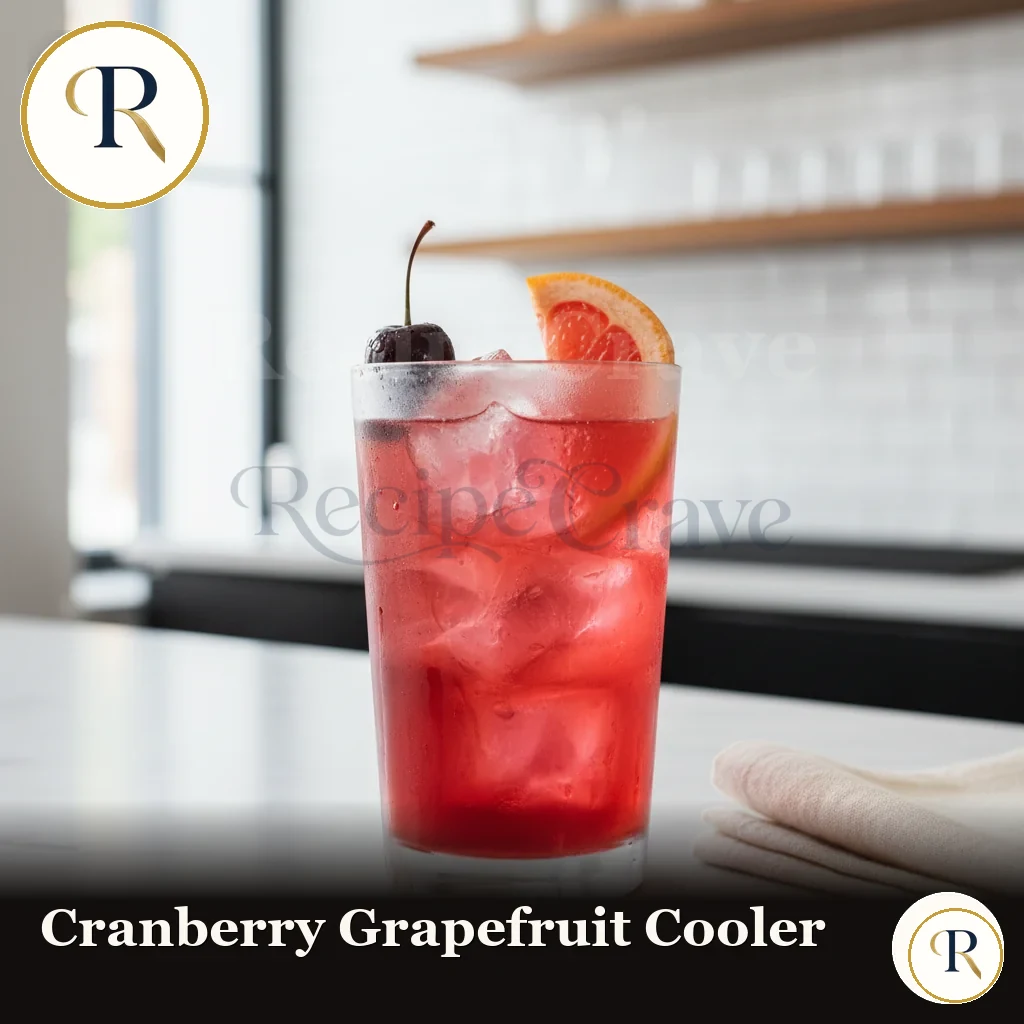
- Cranberry grapefruit cooler: cranberry juice, fresh grapefruit juice, a little citrus syrup, soda water. Bitter, tart, and barely sweet, the kind of drink adults actually want at a party.
- Virgin mojito: muddled mint and lime, simple syrup, crushed ice, soda water. Loud, minty, and endlessly refillable.
Batching rules that save the party
- Batch everything except the bubbles. Mix juices and syrups in the pitcher ahead of time; add soda water only when serving, or it goes flat within the hour.
- Never batch with ice. Ice in the pitcher melts into your carefully balanced drink and waters it down. Keep ice in the glasses, pitcher in the fridge.
- Plan on two to three drinks per guest for a warm-weather gathering, and scale your ratios rather than guessing.
- Garnish at the glass, not the pitcher. A fresh mint sprig or citrus wheel on each drink looks deliberate; the same garnish floating in a pitcher for two hours looks tired.
Pro tip: Freeze some of the drink itself into ice cubes, lemonade cubes for lemonade, tea cubes for iced tea. As they melt, the drink stays full-strength instead of fading into water. Do this the night before and your pitcher survives the whole afternoon.
Less-Sugar Swaps That Don't Taste Like Punishment
Cutting sugar from drinks works best gradually. Slash it all at once and everything tastes thin; step it down and your palate adjusts within a couple of weeks.
- Reduce the syrup, raise the aromatics. Drop from one cup of syrup per pitcher to three-quarters, and add more mint, ginger, or citrus peel. Aroma reads as flavor, so the drink still feels generous.
- Let ripe fruit do the sweetening. Muddled watermelon, ripe mango, or strawberries carry their own sugar, many fruit-forward drinks need little or no syrup at all.
- Lean on tartness and salt. A well-balanced tart drink with a pinch of salt satisfies in a way a merely sweet one doesn't.
- Try half-and-half spritzers. Half lemonade or juice, half soda water. Half the sugar per glass, and honestly more refreshing.
- Some people find a splash of unsweetened hibiscus or green tea adds enough body that they stop missing the extra sugar entirely.
If you want dishes to serve alongside the pitcher, our recipe collection has plenty of grill-day and hot-weather food that pairs well with everything above.
This article is for general information only and is not medical advice. Talk to your doctor or a registered dietitian before making changes tied to a health condition.
Frequently Asked Questions
How long does simple syrup last in the fridge?
Plain 1:1 syrup keeps for about two weeks in a clean, sealed jar in the refrigerator. Flavored syrups with fresh herbs or fruit are best used within a week. If a syrup ever looks cloudy or smells off, throw it out and make a fresh five-minute batch.
Can I make these drinks ahead for a party?
Yes, that's the whole point of batching. Mix the still components (juice, syrup, tea, water) up to a day ahead and refrigerate. Add anything carbonated right before serving, keep ice out of the pitcher, and garnish individual glasses. Infused waters are actually better made the night before.
What's the best sugar substitute for homemade lemonade?
Honey works well if you dissolve it in warm water first, like a syrup, use a little less than you would sugar, since it tastes sweeter. Ripe fruit muddled into the pitcher is the most natural route. Granulated sweeteners vary a lot in taste and sweetness, so add gradually and taste as you go rather than swapping one-for-one.
Why does my iced tea turn bitter or cloudy?
Bitterness usually means the tea steeped too long or too hot, switch to cold brewing, which barely extracts tannins. Cloudiness happens when hot tea is refrigerated too quickly and the tannins bind together. It's harmless and mostly cosmetic; brewing double-strength and pouring over ice, or cold brewing from the start, avoids it altogether.
About the author. The RecipeCrave editorial team, cooks and writers sharing practical, tested home-cooking guidance.
Keep reading
A Beginner's Guide to Grilling Fish, Chicken, and Steak
Grilling looks intimidating from the outside, but almost all of it comes down to a few habits: build heat zones, oil a hot grate, flip once, and learn doneness by feel and temperature. Here is the beginner version, step by step.
Fermenting at Home for Beginners: Yogurt, Pickles, and More
Fermenting at home is easier than it looks. Here is how simple fermentation works, two beginner projects to start with, the small kit you need, and the safety signs that tell a good batch from a bad one.
Understanding Cooking Oils: Which One to Use and When
Every oil has a job. Some are built for high heat and a crisp crust, others are best kept raw and drizzled at the end. Here is how to match the oil to the pan, store it well and reuse it without the off flavors.