
Article
Plant-Based Protein: A Practical Guide for Home Cooks
Plant-based protein made practical: how to cook beans, lentils, and tofu so they actually taste good, plus budget tips and easy dinner ideas for home cooks.
7 min readby The RecipeCrave Kitchen Team

Nobody ever pushed away a plate of properly fried akara or a bowl of lentils simmered with garlic and smoked paprika. Yet somehow plant-based protein has a reputation problem: bland tofu, mushy beans, lentil soups that taste like wet cardboard. The ingredients were never the issue. The technique was. When you treat beans, lentils, and tofu with the same care you'd give a good cut of meat, real seasoning, real browning, real attention to texture, they stop being the backup plan and start being the reason you cooked.
This guide is for home cooks, not converts. You don't need to give up anything. Maybe you're stretching the grocery budget, maybe you're cooking for a vegetarian in the house, maybe you just want a few dinners a week that don't revolve around the meat counter. Whatever brought you here, the goal is the same: plant protein that people ask for seconds of.
The Plant-Based Protein Pantry: What to Stock
You only need a handful of staples, and most of them keep for months. Here's the short list worth buying this week:
- Dried and canned beans. Black beans, chickpeas, black-eyed peas, and kidney beans cover most cuisines. Dried costs less; canned saves an evening.
- Lentils. Brown and green lentils hold their shape for salads and lettuce boats. Red lentils collapse into creamy dals and soups in about 20 minutes, no soaking, ever.
- Tofu. Extra-firm for frying and stir-fries, silken for blending into sauces. It's a sponge for flavor, which is a feature, not a flaw.
- Eggs, if you eat them. This guide works fully plant-based, but if eggs are in your kitchen, they're one of the cheapest complete proteins going, a fried egg on top of garlicky beans is a two-minute upgrade.
- Nuts, seeds, and peanut butter. Less for main courses, more for crunch, sauces, and richness.
Different legumes bring different amino acids to the table, which is why traditional cuisines so often pair them with grains, rice and beans, dal and roti, hummus and pita. Eat a reasonable variety across the week and the pattern generally takes care of itself. If you want to see how the numbers stack up for your own meals, our nutrition calculators can do the math for you.
Why Plant Protein Falls Flat (and How to Fix It)
Three failures account for almost every disappointing plant-based dinner: no browning, no salt at the right time, and no attention to texture. Fix those and you've fixed the whole category.
Browning is non-negotiable
Meat tastes like meat partly because we sear it. Beans and tofu deserve the same treatment. Press extra-firm tofu for 15 minutes, tear it into ragged chunks (torn edges crisp better than clean cubes), toss with cornstarch, and fry in a thin layer of hot oil until the edges are deep gold and audibly crackling. Drained chickpeas roasted at high heat until they pop and blister become a different ingredient entirely. That browned, nutty depth is what most "bland" plant dinners are missing.
Season early, season in layers
Salt your bean-cooking water the way you'd salt pasta water. A bean seasoned only at the table tastes flat forever; a bean simmered with salt, bay leaf, half an onion, and a few garlic cloves tastes seasoned from the inside. Then build on top: something savory (soy sauce, miso, tomato paste), something aromatic (ginger, cumin, curry powder), something sharp at the end (lime, vinegar, fresh chile).
Respect texture
Mush is the enemy. Keep brown lentils at a gentle simmer and pull them while they still have a slight bite. Give tofu contrast, crisp outside, tender inside. Add something crunchy to soft dishes: toasted peanuts on dal, fried shallots on beans, raw cabbage slaw next to fritters.
Flavor Playbooks From Around the World
You don't have to invent anything. Cooks everywhere have spent generations making legumes taste incredible, and borrowing their playbooks is the fastest shortcut you have.
- West African: black-eyed peas blended and fried into akara, or beans stewed with palm oil, onion, and scotch bonnet heat.
- Indian: red lentil dal finished with a tarka, spices bloomed in hot fat and poured over at the end, sizzling.
- Mexican and Latin American: black beans simmered with onion and epazote or oregano, mashed into refritos with their own broth.
- East Asian: tofu braised in soy, ginger, and a little sugar, or crisped and tossed through noodles.
- Mediterranean: chickpeas with olive oil, lemon, and cumin, in salads, stews, or blitzed into hummus.
Pick one region a week and cook two dinners from it. Our cuisine guides are a good place to wander when you want a new direction.
Pro tip: Save your bean-cooking liquid. That starchy, seasoned broth is free flavor, use it instead of water to loosen a stew, cook rice, or blend into hummus. Chickpea liquid (aquafaba) even whips like egg whites for baking.
The Budget Math: Why Beans Win
Here's the quiet argument for plant protein: the price tag. A bag of dried beans costs about the same as a single portion of meat and feeds a family twice over. Lentils may be the best value in the entire grocery store, shelf-stable for months, cooked in under half an hour, no waste.
A few habits stretch the value further:
- Cook dried beans in bulk. One big pot on Sunday, then portion and freeze in their liquid. Frozen cooked beans keep for months and thaw straight into a pan.
- Let plant protein stretch meat instead of replacing it. Half lentils, half ground beef in bolognese or meat pies, most eaters never notice, and the budget does.
- Buy tofu when it's cheap and freeze it. Freezing changes the texture to something chewier and spongier that soaks up marinades even better.
- Plan around what you already have. Before you shop, run your pantry through What Can I Cook and see what's already waiting on the shelf.
Five Sample Dinners to Get You Started
Real plates, not concepts. Each one leans on the browning-and-seasoning rules above:
- Asian lentil lettuce boats. Brown lentils fried hot with garlic, ginger, and soy until crispy-edged, spooned into cold, crunchy lettuce cups with herbs and lime.
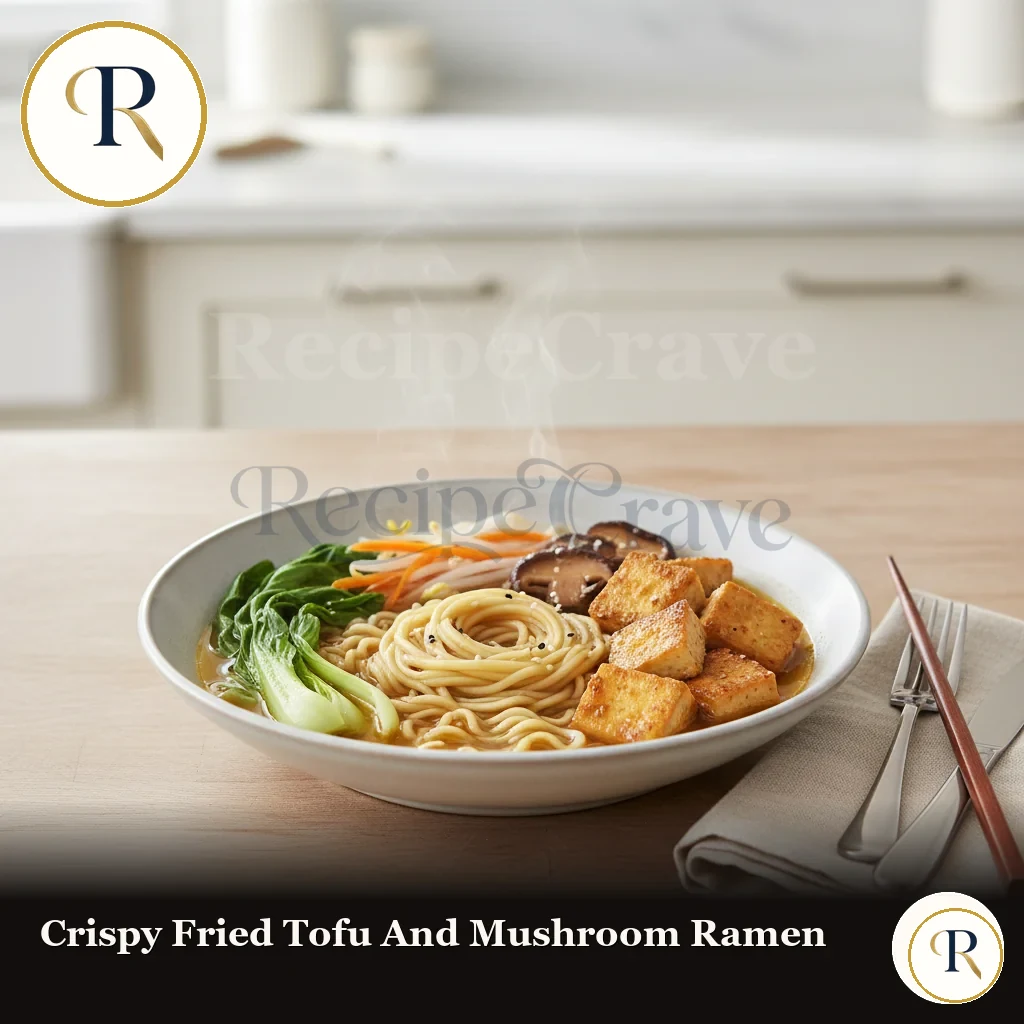
- Crispy tofu and mushroom ramen. Torn tofu fried golden, meaty mushrooms, and a miso-rich broth. Comfort food with no shortcuts skipped.
- Akara with pepper sauce. Black-eyed pea fritters whipped until fluffy and fried until the outside shatters, a West African classic that converts skeptics on the first bite.
- Chickpea and spinach curry. Canned chickpeas, coconut milk, curry paste, a bag of spinach. Twenty minutes, one pot, better the next day.
- Black bean tacos. Refried black beans loosened with their broth, charred tortillas, quick-pickled onions, and whatever crunchy things are in the fridge.
You'll find full versions of these and hundreds more in our recipe collection, and the meal planner can slot them into your week automatically.

Common Mistakes Worth Avoiding
A few honest warnings from cooks who've made all of these mistakes so you don't have to:
- Undercooked kidney beans are genuinely unsafe. Raw or undercooked red kidney beans contain a natural toxin. Soak them, then boil them hard for at least 10 minutes before simmering, and don't cook dried kidney beans in a slow cooker on low, since it may not get hot enough to destroy the toxin. Canned kidney beans are already fully cooked and fine to use straight away.
- Crowding the tofu pan. Steam is the enemy of crisp. Fry in batches with space between pieces.
- Going all-in overnight. If your body isn't used to much fiber, a sudden bean-heavy week can be uncomfortable. Ramp up gradually and drink plenty of water; many people find the adjustment passes within a couple of weeks.
- Skipping the acid. Almost every legume dish wakes up with a squeeze of lemon or lime at the end. If a pot tastes dull and you can't figure out why, it's usually acid, not salt.
This article is for general information only and is not medical advice. Talk to your doctor or a registered dietitian before making changes tied to a health condition.
Frequently Asked Questions
Do I need to soak beans before cooking?
Soaking shortens cooking time and can make beans easier to digest, but it isn't strictly required for most varieties, unsoaked beans just take longer. The exception is red kidney beans, which should be soaked and then boiled hard for at least 10 minutes for safety. Lentils never need soaking.
How do I make tofu actually taste good?
Three moves: press it (15 minutes under a weighted plate), coat it (a light toss in cornstarch), and fry it in properly hot oil until deeply golden. Then sauce it after crisping, not before. Freezing and thawing tofu first gives it a chewier texture that absorbs marinades even better.
Is plant protein enough on its own?
Many people around the world eat well on largely plant-based diets, and pairing legumes with grains, rice and beans, dal and flatbread, is a time-tested pattern. Individual needs vary with age, activity, and health, so if you're planning a major dietary shift, it's worth checking in with a registered dietitian.
What's the cheapest way to start?
One bag of red lentils and one of black-eyed peas or black beans. Red lentils become dal or soup in 20 minutes with no soaking, and the beans handle everything from fritters to tacos. Add a block of extra-firm tofu when you're ready, and build from there, two plant-based dinners a week is a realistic, budget-friendly start.
About the author. The RecipeCrave editorial team, cooks and writers sharing practical, tested home-cooking guidance.
Keep reading
A Beginner's Guide to Grilling Fish, Chicken, and Steak
Grilling looks intimidating from the outside, but almost all of it comes down to a few habits: build heat zones, oil a hot grate, flip once, and learn doneness by feel and temperature. Here is the beginner version, step by step.
Fermenting at Home for Beginners: Yogurt, Pickles, and More
Fermenting at home is easier than it looks. Here is how simple fermentation works, two beginner projects to start with, the small kit you need, and the safety signs that tell a good batch from a bad one.
Understanding Cooking Oils: Which One to Use and When
Every oil has a job. Some are built for high heat and a crisp crust, others are best kept raw and drizzled at the end. Here is how to match the oil to the pan, store it well and reuse it without the off flavors.