
Article
How to Store Fruits, Vegetables, and Herbs So They Last
Learn how to store fruits, vegetables, and herbs so they last longer, fridge vs counter rules, ethylene pairings, herb jars, and simple ways to cut waste.
8 min readby The RecipeCrave Kitchen Team
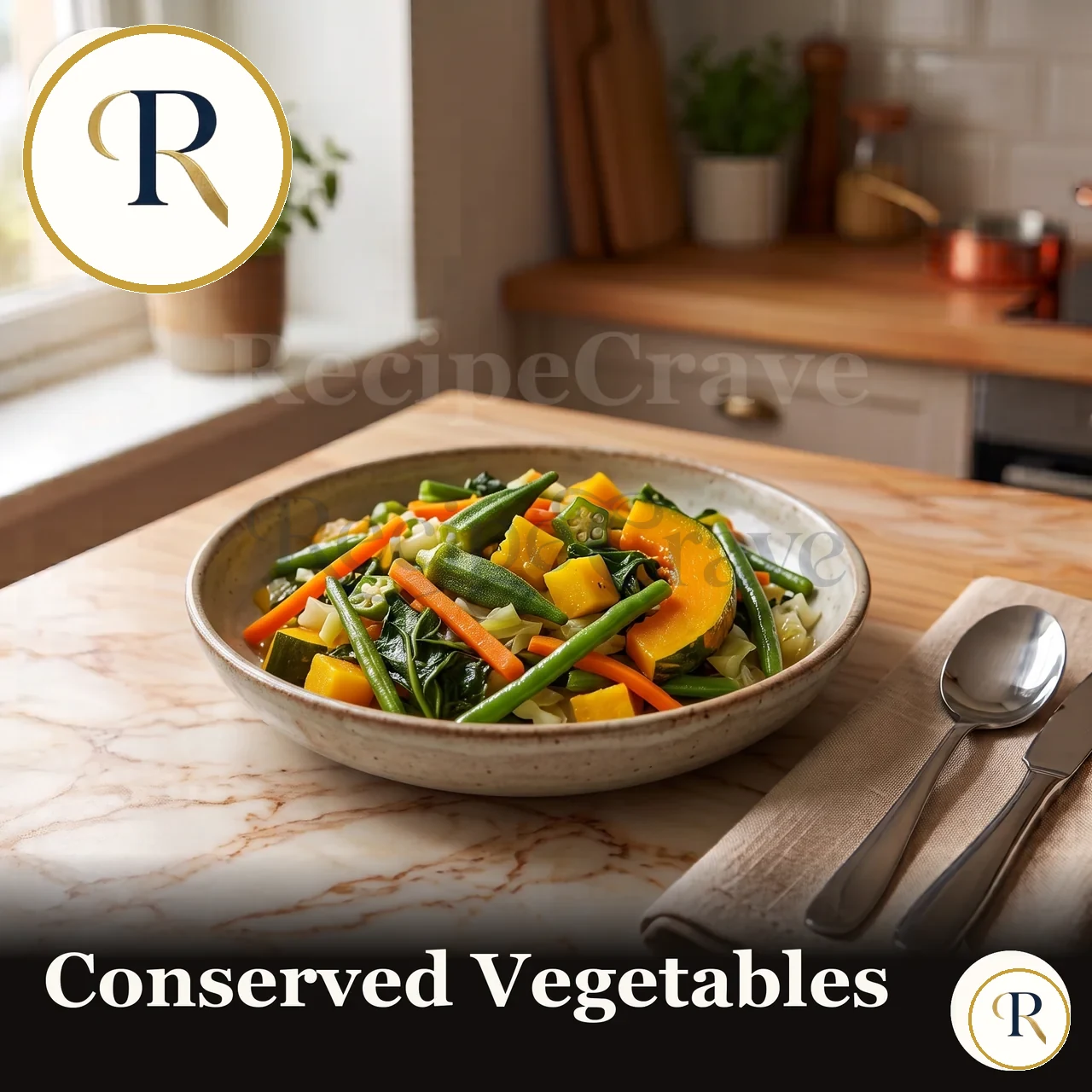
You know the feeling. You bought a gorgeous bunch of spinach on Saturday, and by Wednesday it's a dark, wet slump at the bottom of the crisper drawer. The tomatoes went mealy in the fridge, the bananas dragged everything around them into ripeness, and the coriander turned to green soup in its plastic sleeve. None of that is bad luck. It's storage. Learning how to store fruits and vegetables properly is the single cheapest upgrade you can make in your kitchen, because it means the food you already paid for actually gets eaten.
The good news is that produce follows rules, and the rules are simple once you see them. Some things need cold. Some things are ruined by it. Some fruits pump out an invisible ripening gas that fast-forwards everything sitting next to them. And herbs, the most fragile things in the kitchen, will happily last two weeks if you treat them like the cut flowers they basically are. Here's the whole system.
Fridge or Counter? Where Everything Actually Belongs
The fridge is not automatically the safe choice. Cold slows decay, yes, but it also wrecks the texture and flavour of anything that evolved in warm climates. Tomatoes are the classic casualty: below about 12°C their flavour compounds shut down and the flesh turns mealy. The fix is knowing which camp each item falls into.
Keep these on the counter
- Tomatoes, stem side down, out of direct sun. Refrigerate only once fully ripe and only if you can't eat them within a day or two.
- Bananas, mangoes, pineapples, tropical fruit sulks in the cold; the skin blackens and ripening stalls.
- Onions, garlic, and shallots, somewhere dark, dry, and ventilated. Fridge humidity makes onions soft and mouldy.
- Potatoes, sweet potatoes, and yams, a cool dark cupboard. Fridge cold converts their starch to sugar, which changes both taste and how they brown.
- Whole winter squash and pumpkins, a cool corner is fine for weeks.
Keep these in the fridge
- Leafy greens, spinach, lettuce, kale, ugu. Wrap loosely in a dry paper towel inside a bag or container; the towel absorbs the condensation that causes slime.
- Carrots, beets, radishes, cut off any leafy tops first. The greens keep pulling moisture out of the root even after harvest.
- Berries, unwashed, in a breathable container. Wash only right before eating; water on the skin invites mould.
- Broccoli, cauliflower, green beans, peppers, cucumbers, crisper drawer, ideally the high-humidity setting if your fridge has one.
- Mushrooms, in a paper bag, never sealed plastic. They sweat, and wet mushrooms turn slick fast.
Counter first, then fridge
Avocados, peaches, plums, pears, and kiwis ripen at room temperature. Once they yield to gentle pressure, move them to the fridge, where the cold presses pause for several more days. This two-stage approach is how you stop the classic avocado tragedy of rock-hard on Monday, brown on Thursday.
Ethylene: The Gas That's Ripening Your Whole Fruit Bowl
Here's the piece most home cooks never hear about. Many fruits release ethylene, a natural plant hormone in gas form, as they ripen. It's harmless to you, it's why a hard avocado softens overnight in a paper bag with a banana, but it acts like a fast-forward button on any ethylene-sensitive produce sharing the same air.
Big ethylene producers:
- Bananas (the champion offender)
- Apples
- Avocados and mangoes
- Tomatoes
- Ripe peaches, pears, and plums
Ethylene-sensitive, keep them away from the list above:
- Leafy greens and fresh herbs (they yellow and wilt)
- Broccoli and cauliflower
- Carrots (they turn bitter)
- Cucumbers and peppers (they soften and pit)
- Unripe bananas you're not ready to ripen
The practical rule: bananas and apples get their own spot, well away from the vegetable crisper. And when you want speed, say a stubborn avocado before taco night, put it in a closed paper bag with a banana and let the gas do the work. Once your produce is behaving, browse our recipe collection and put those perfectly ripe tomatoes to use while they're at their peak.

How to Store Fresh Herbs So They Don't Turn to Sludge
Herbs die faster than anything else in the kitchen, and they die expensively. The trick is realising there are two families of herbs, and they want opposite treatment.
Tender herbs: treat them like flowers
Coriander, parsley, basil, dill, and mint have soft stems that still drink water. Trim a centimetre off the ends, stand the bunch in a jar with a few centimetres of water, and cover the leaves loosely with a plastic bag. Coriander, parsley, dill, and mint go in the fridge this way and will hold for a week or two, change the water when it clouds. Basil is the one exception: it hates cold and blackens in the fridge, so its jar stays on the counter like a small bouquet.
Hardy herbs: the damp towel roll
Rosemary, thyme, sage, and oregano have woody stems and sturdy leaves. Roll them loosely in a barely damp paper towel, tuck the roll into an open bag or container, and refrigerate. The towel keeps humidity steady without drowning them. Stored this way, hardy herbs routinely last two to three weeks, long enough that you stop buying rosemary twice for the same recipe. If you're curious what else each herb can do beyond garnish, our herb guide covers flavour pairings and traditional uses.
Pro tip: When herbs are on their last day, don't bin them, blitz them with olive oil and freeze the paste in an ice cube tray. Each cube is an instant flavour base for soups, stews, and marinades, and it costs you five minutes.
Reviving Wilted Greens and Tired Vegetables
Wilted doesn't mean dead. Most limp produce is just dehydrated, the cells have lost water pressure, and water pressure can be restored.
- Fill a large bowl with icy cold water. Genuinely cold; add a few ice cubes.
- Submerge the sad greens completely, lettuce, spinach, kale, herbs, even floppy spring onions.
- Wait 15 to 30 minutes. You'll watch the leaves visibly straighten as they drink.
- Dry thoroughly before returning them to the fridge, because the water that revived them will rot them if it lingers on the leaves.
The same soak firms up bendy carrots and celery, cut carrots even do it standing upright in a glass of water like celery soldiers. What it can't fix is slime, black patches, or off smells. Those are decay, not dehydration, and that produce should go. When in doubt about anything animal-based or cooked, throw it out; with whole raw produce, trust your eyes and nose and cut generously around any mould on firm items, but discard soft mouldy items entirely, since mould threads travel further through soft flesh.
The Real Payoff: Cutting Your Food Waste Bill
Storage skill is really money skill. Every bag of slimy spinach is cash in the bin, and most household food waste is exactly this, good food that expired in storage, not food anyone decided to reject. A few habits close the gap.
- Shop your fridge first. Before writing a list, check what's already ageing. Our What Can I Cook tool exists for exactly this, tell it what's in your kitchen and it finds recipes that use it up.
- Keep an "eat me first" zone. One shelf or basket, eye level, for anything within a couple of days of turning. Hidden produce dies; visible produce gets eaten.
- Prep half, store half. Washed, chopped vegetables get used on busy nights; whole ones don't. Just keep cut produce refrigerated and eat it within a few days.
- Plan around perishability. Cook the delicate things, greens, berries, fresh fish, early in the week and the hardy things, cabbage, carrots, squash, later. The meal planner makes this ordering easy to stick to.
- Freeze at the peak, not past it. Ripe bananas, peeled and frozen, become smoothies. Blanched greens freeze well for stews. Berries freeze whole on a tray, then bag them.

A One-Week Storage Routine That Takes Ten Minutes
All of this compresses into one small ritual on shopping day. Unpack in this order: fridge items first (greens wrapped in paper towel, berries unwashed, mushrooms into paper), then the counter crowd (tomatoes stem-down, bananas in their own corner, onions and potatoes to the dark cupboard, and not next to each other, since onions push potatoes to sprout). Trim and jar the tender herbs, roll the hardy ones in a damp towel. Set anything already ripe in the eat-me-first zone. Ten minutes, once a week, and your produce quietly stops racing to the bin. If you want more kitchen systems like this one, the RecipeCrave blog covers batch cooking, budget shopping, and pantry building in the same practical style.
This article is for general information only and is not medical advice. Talk to your doctor or a registered dietitian before making changes tied to a health condition.
Frequently Asked Questions
Should tomatoes ever go in the fridge?
Only fully ripe ones you can't eat within a day or two. Cold storage below roughly 12°C dulls a tomato's aroma compounds and turns the flesh mealy, so the counter is home until ripeness peaks. If you do refrigerate a ripe tomato, let it come back to room temperature before eating, some of the flavour returns.
Why do my fresh herbs die so fast in the plastic supermarket sleeve?
The sleeve traps moisture against the leaves, and wet leaves rot. Tender herbs (coriander, parsley, mint) want their stems in a jar of water with a loose bag over the top; hardy herbs (rosemary, thyme, sage) want a barely damp paper towel roll in the fridge. Basil alone stays out of the fridge entirely, in water on the counter.
Can I really revive wilted lettuce, or is it done for?
If it's limp but not slimy, yes. A 15-to-30-minute soak in ice water re-inflates the leaf cells and restores most of the crunch. Dry the leaves well afterwards. Sliminess, dark wet patches, or a sour smell mean decay has started, and at that point the greens belong in the bin or compost, not the salad bowl.
Which fruits should never sit next to my vegetables?
Bananas and apples are the biggest ethylene producers in most kitchens, with avocados, mangoes, and ripe stone fruit close behind. Keep them away from leafy greens, broccoli, carrots, cucumbers, and herbs, all of which age fast in ethylene's presence. Use the effect deliberately when you want it: a paper bag with a banana ripens a hard avocado overnight.
About the author. The RecipeCrave editorial team, cooks and writers sharing practical, tested home-cooking guidance.
Keep reading
A Beginner's Guide to Grilling Fish, Chicken, and Steak
Grilling looks intimidating from the outside, but almost all of it comes down to a few habits: build heat zones, oil a hot grate, flip once, and learn doneness by feel and temperature. Here is the beginner version, step by step.
Fermenting at Home for Beginners: Yogurt, Pickles, and More
Fermenting at home is easier than it looks. Here is how simple fermentation works, two beginner projects to start with, the small kit you need, and the safety signs that tell a good batch from a bad one.
Understanding Cooking Oils: Which One to Use and When
Every oil has a job. Some are built for high heat and a crisp crust, others are best kept raw and drizzled at the end. Here is how to match the oil to the pan, store it well and reuse it without the off flavors.