
Article
How to Build a Balanced Plate: The Protein-First, Fiber-Forward Method
Learn how to build a balanced plate without counting calories. A simple protein-first, fiber-forward method using portions you can see on any plate.
6 min readby The RecipeCrave Kitchen Team
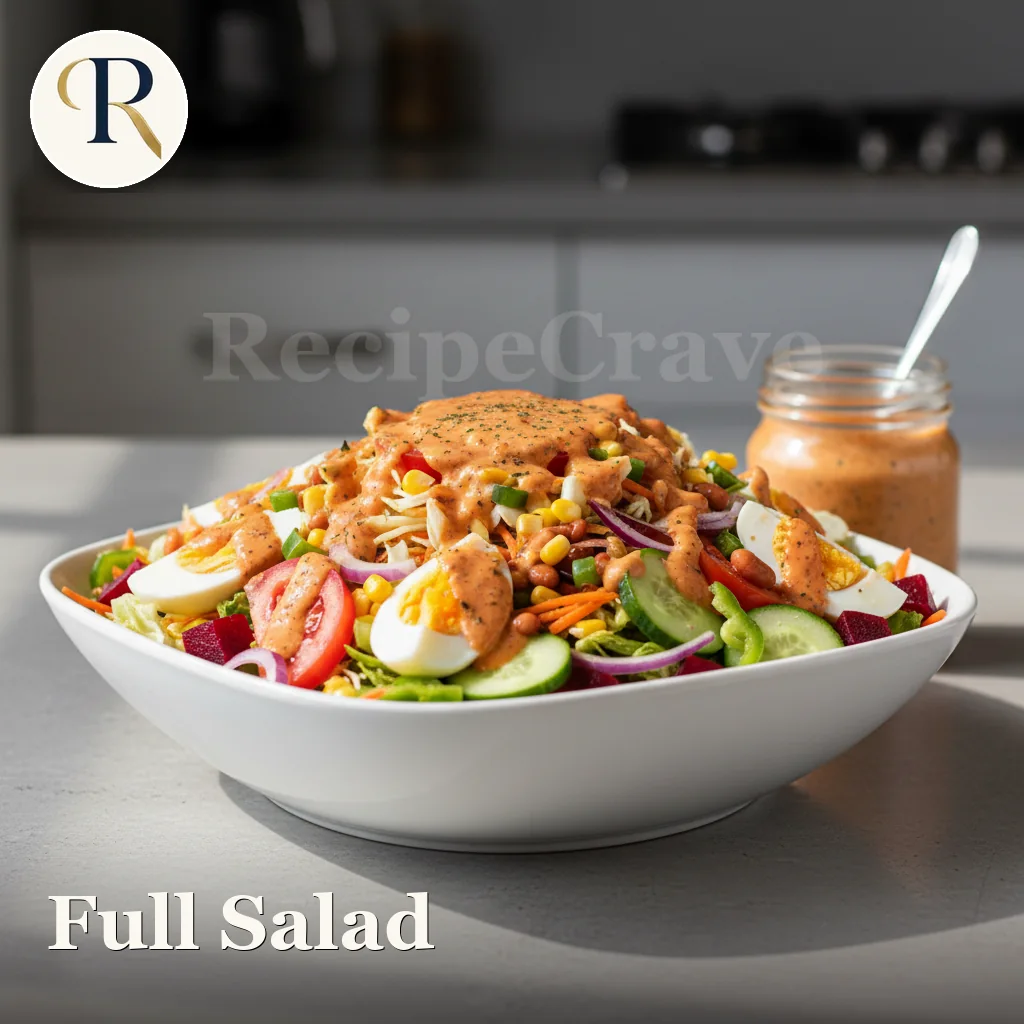
Most of us were never actually taught how to put a meal together. We learned recipes, we learned what we liked, and we learned to feel vaguely guilty about carbs. But the question of what belongs on a plate, and in what rough amounts, tends to go unanswered until we're standing over the stove wondering why dinner leaves us hungry an hour later.
Here's a method that skips the math. No calorie counting, no weighing, no apps. Just your own plate and a way of looking at it that starts with protein, leans hard on fiber, and lets everything else fall into place. Once you can picture it, you can build a balanced meal anywhere, from your kitchen to a buffet line.
Why Protein Goes First
Protein is the anchor of a satisfying meal, and building around it changes everything downstream. When you decide on your protein before anything else, you naturally organize the rest of the plate around a foundation that keeps you full, steadies your energy, and supports muscle as you age.
The reason is simple: protein is the most filling of the three main nutrients. It takes longer to digest and sends stronger fullness signals than a plate of refined carbs alone. Research generally suggests that meals with adequate protein help people feel satisfied on less food, without any conscious effort to eat less.
Aim for a portion roughly the size and thickness of your palm at each meal. That's a workable visual whether it's grilled chicken, fish, eggs, tofu, beans, lentils, or Greek yogurt. If you eat plant-based, you'll often combine sources, a scoop of lentils plus some seeds, to reach a satisfying amount.
- Animal sources: chicken, turkey, fish, eggs, lean beef, plain yogurt, cottage cheese
- Plant sources: lentils, chickpeas, black beans, tofu, tempeh, edamame
- Quick add-ons: a boiled egg, a handful of nuts, or a spoonful of hemp seeds to round out a light meal
Fill Half With Fiber-Rich Plants
Once your protein is set, the biggest section of the plate belongs to vegetables and fruit, ideally the non-starchy, high-fiber kind. Think of half your plate as the color section: leafy greens, peppers, broccoli, tomatoes, cucumbers, carrots, cabbage, berries, and whatever else is in season.
Fiber is the quiet workhorse of a balanced plate. It slows digestion, feeds the beneficial bacteria in your gut, and adds real volume so meals feel generous without being heavy. Most people eat far less of it than their bodies would like, which is exactly why leading with it fixes so many meals at once.
Make It Easy to Hit Half
The trick is to stop treating vegetables as a garnish and start treating them as the main event alongside your protein. A big handful of raw greens, a heap of roasted vegetables, or a proper side salad all count.
Prep one big bowl of washed, ready-to-eat greens or chopped vegetables at the start of the week. When half your plate is already sitting in the fridge, building a balanced meal takes seconds instead of effort.
If salads feel boring, that's usually a seasoning problem, not a salad problem. Our guide to building a genuinely satisfying full salad walks through how to layer texture, crunch, and dressing so the vegetable half of your plate becomes the part you look forward to.
Add Smart Carbs, Not No Carbs
Carbohydrates aren't the enemy here. They're fuel, and they make food taste like food. The goal isn't to cut them out but to give them a defined space, roughly a quarter of the plate, and to choose the kinds that come with their own fiber attached.
Whole, minimally processed carbs digest more slowly and keep energy steadier than their refined cousins. A quarter-plate portion is about the size of your cupped hand.
- Better-for-longer choices: oats, brown rice, quinoa, sweet potato, whole-grain bread, beans (which double as protein)
- Fine in moderation: white rice, pasta, regular bread, especially when paired with protein and vegetables that slow things down
- Keep an eye on portions: sugary drinks, pastries, and refined snacks, which spike energy and leave you hungry sooner
Notice that beans and lentils show up in both the protein and carb columns. That overlap is a feature, not a bug, and it's why plant-forward meals can be so effortlessly balanced.
Don't Skip the Fats
A small amount of fat rounds out the plate, helps you absorb certain vitamins, and makes meals genuinely satisfying. This is the section people either fear or overdo, when the honest answer is a modest, deliberate amount at most meals.
You don't need a separate compartment for fat, it usually comes woven into the rest of the plate. A drizzle of olive oil on your vegetables, a few slices of avocado, a sprinkle of seeds, or the natural fat in fish and eggs all do the job.
- A thumb-sized portion of added fat is a reasonable visual guide
- Favor olive oil, avocado, nuts, seeds, and fatty fish
- Let fat carry flavor: it's what makes vegetables and whole grains crave-worthy
Putting the Whole Plate Together
Step back and the framework is easy to picture: half the plate fiber-rich plants, a palm of protein, a cupped hand of smart carbs, and a thumb of healthy fat. You don't need to hit it perfectly every time. Aiming in that direction most of the time is what actually moves the needle.
Here's how it looks in practice across a day:
- Breakfast: scrambled eggs (protein), sauteed spinach and tomatoes (fiber), a slice of whole-grain toast (carb), avocado on top (fat)
- Lunch: a grain bowl with chickpeas and quinoa, piled with roasted vegetables and a lemon-tahini drizzle
- Dinner: grilled fish, a big side salad, a small scoop of brown rice, olive oil and herbs
When you're staring at a random collection of ingredients, this framework doubles as a decision tool. Tell our pantry matching tool what you already have and it'll suggest recipes that fit, or browse the full recipe collection when you want to start from a dish and build the plate around it. Stuck for ideas entirely? The what can I cook quiz points you toward a meal in a couple of taps.
Small Upgrades That Make a Big Difference
Once the basic plate feels automatic, a few habits quietly improve it further:
- Eat protein and vegetables first at a meal, saving the carbs for later in the plate, which naturally paces how much you eat
- Add an herb or spice to nearly everything, both for flavor and for the compounds many culinary herbs contain; our herbs and food-as-medicine section is a good place to explore
- Drink water with meals rather than sweetened drinks, so your calories come from food you actually chew
- Aim for color variety across the week, since different colored plants tend to bring different nutrients
None of this requires perfection. A balanced plate is a direction, not a rulebook, and the more often you build one, the less you'll have to think about it at all.
Frequently Asked Questions
Do I need to weigh my food to get portions right?
No. The whole point of this method is that your own hand travels with you. A palm of protein, a cupped hand of carbs, and a thumb of fat give you consistent, personalized portions without a scale or an app. Your hands are proportional to your body, which makes them a surprisingly sensible guide.
What if I'm still hungry after a balanced plate?
Add more of the two sections that fill you up: protein and non-starchy vegetables. Both are hard to overeat and leave you satisfied. If you're regularly hungry soon after meals, it's often a sign your protein portion is a little light or your plate leaned heavily on refined carbs.
Does this work for vegetarians and vegans?
Yes, and it's often easier. Beans, lentils, tofu, tempeh, and edamame fill the protein role, and several of them cover part of your carb section too. You may need slightly larger or combined protein portions to feel as full, but the plate framework itself doesn't change at all.
How strict do I need to be at every meal?
Not very. Nobody builds a textbook plate three times a day, and you don't need to. Think of it as a target you land near most of the time. A plate that's a bit heavy on pasta one night is easily balanced by a greens-and-protein lunch the next day. Consistency over the week matters far more than any single meal.
About the author. The RecipeCrave editorial team, cooks and writers sharing practical, tested home-cooking guidance.
Keep reading
A Beginner's Guide to Grilling Fish, Chicken, and Steak
Grilling looks intimidating from the outside, but almost all of it comes down to a few habits: build heat zones, oil a hot grate, flip once, and learn doneness by feel and temperature. Here is the beginner version, step by step.
Fermenting at Home for Beginners: Yogurt, Pickles, and More
Fermenting at home is easier than it looks. Here is how simple fermentation works, two beginner projects to start with, the small kit you need, and the safety signs that tell a good batch from a bad one.
Understanding Cooking Oils: Which One to Use and When
Every oil has a job. Some are built for high heat and a crisp crust, others are best kept raw and drizzled at the end. Here is how to match the oil to the pan, store it well and reuse it without the off flavors.