
Article
Blood Sugar Friendly Foods: Simple Swaps for Steadier Energy
Practical, non-preachy food swaps and meal-order habits that support steadier blood sugar and energy. Fiber first, smart pairings, and easy wins.
6 min readby The RecipeCrave Kitchen Team
You know the feeling. You eat a big bowl of cereal or grab a pastry with your coffee, feel great for an hour, then hit a wall of tiredness and hunger before lunch is anywhere in sight. A lot of that rollercoaster comes down to how quickly the carbohydrates in a meal turn into sugar in your blood, and how sharply your body has to respond. The good news is that you do not need a special diet or a cabinet full of supplements to smooth it out. You mostly need a few small habits.
This article is general information, not medical advice. Everyone's body is different, and if you have diabetes, prediabetes, or any blood-sugar concern, please talk to your doctor or a registered dietitian before making changes, especially if you take medication. What follows are gentle, well-accepted eating habits that may help steady your energy. Think of them as tweaks, not rules.
What a blood-sugar spike actually is, simply
When you eat carbohydrates, your body breaks them down into glucose, which enters your bloodstream. Your pancreas releases insulin to help move that glucose into your cells for energy. When carbs are refined and eaten on their own, glucose can arrive fast, your blood sugar climbs quickly, and then it can drop just as fast. That sharp up-and-down is what many people feel as a crash: sudden tiredness, brain fog, or a craving for more of the same.
A steadier rise, on the other hand, tends to feel like calmer, longer-lasting energy. The habits below all nudge your meals toward that steadier curve. None of them ban carbs. They just slow down how fast the sugar shows up.
Fiber first: start the meal with vegetables
One of the easiest habits is to lead with fiber. Eating a portion of vegetables or a leafy salad at the start of a meal, before you get to the bread, rice, or pasta, may help blunt how quickly the rest of the meal raises your blood sugar. Fiber slows digestion, which tends to smooth the glucose rise that follows.
- Have a small side salad or some roasted vegetables before the main event.
- Add a handful of greens, mushrooms, or peppers into whatever you are already cooking.
- Keep easy options on hand: baby carrots, cucumber, cherry tomatoes, or a bag of pre-washed leaves.
You do not need a fancy recipe. If you are short on inspiration, browse our collection of everyday recipes and look for anything with a generous vegetable base you can eat first.
Tip: You are not adding a whole extra course. Even a few forkfuls of vegetables before your carbs count. The goal is fiber before starch, not a giant salad you dread.
Pair your carbs with protein and fat
Carbs eaten completely on their own tend to hit fastest. When you pair them with protein, healthy fat, or both, the whole meal digests more slowly, which can soften the spike and help you feel full for longer.
- Instead of toast alone, add eggs, nut butter, or avocado.
- Instead of fruit by itself, have it with a handful of nuts or some plain yogurt.
- Instead of plain white rice, serve it alongside beans, fish, chicken, tofu, or a drizzle of olive oil over your vegetables.
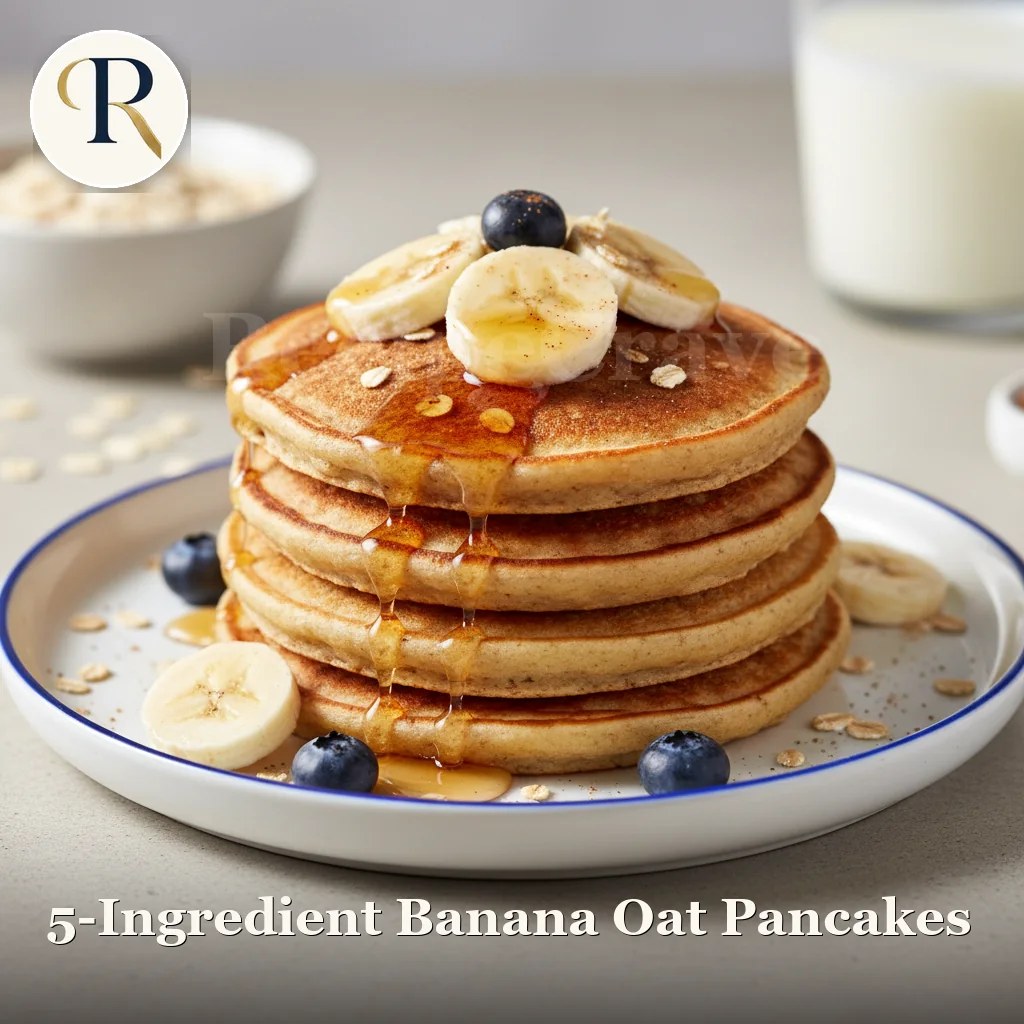
This is why a snack of an apple with cheese or peanut butter tends to hold you better than the apple alone. The apple still brings its natural sugar, but the protein and fat give your body a gentler on-ramp. A simple breakfast like our 5-ingredient banana oat pancakes naturally leans this way, since oats bring fiber and you can top them with yogurt or nuts for staying power.
Choose whole grains and smarter swaps
Not all carbs behave the same. Refined grains have had much of their fiber stripped away, so they tend to raise blood sugar faster than their whole-grain cousins. Leaning toward less-processed versions is one of the highest-value swaps you can make, and most of them are genuinely easy.
- White bread to whole-grain or sourdough bread.
- White rice to brown rice, quinoa, barley, or a rice-and-lentil mix.
- Regular pasta to whole-wheat or legume-based pasta, and cook it just to al dente rather than soft.
- Instant oats to rolled or steel-cut oats.
- Sugary drinks and juice to water, sparkling water, or unsweetened tea.
Cooling and reheating some starchy foods, like potatoes or rice, can also change their structure in a way that may make them a little gentler on blood sugar, which is a nice bonus for anyone who loves leftovers. Herbs and spices are another free, flavorful upgrade, letting you lean on taste instead of extra sugar or refined sauces; our guide to cooking herbs is a good place to start.
Meal order and a little movement after eating
Two more habits are almost effortless once they become routine. The first is meal order, which ties the sections above together: vegetables and fiber first, then protein and fat, then the starchy carbs last. Same plate, same food, just a different sequence, and it may help keep your glucose rise gentler.
The second is moving your body after you eat. A short, easy walk after a meal, even ten or fifteen minutes, may help your muscles use up some of that circulating glucose, which can take the edge off the post-meal spike. It does not need to be exercise in any formal sense.
- Walk around the block after dinner, or do a lap or two while a pot simmers.
- Tidy the kitchen, stretch, or stand and stroll while you take a phone call.
- If you sit for work, get up for a few minutes after lunch rather than heading straight back to the screen.
A splash of vinegar is a small extra some people like, too. A little vinegar in a salad dressing before a meal is associated in some research with a slightly gentler blood-sugar response. It is a low-stakes habit, not a magic trick, so use it because you enjoy a tangy vinaigrette, not because you expect miracles.
A sample day of easy swaps
None of this has to be complicated. Here is what an ordinary day might look like once these habits are in place. Notice that nothing is off-limits, the food is still satisfying, and the changes are mostly small.
- Breakfast: Rolled oats cooked with a spoon of nut butter and topped with berries and a few walnuts, instead of a sugary cereal eaten dry.
- Lunch: Start with a handful of salad, then a whole-grain wrap with chicken, hummus, and plenty of vegetables. A short walk afterward.
- Snack: An apple or a few dates with cheese or a spoon of peanut butter, instead of fruit or crackers alone.
- Dinner: Roasted vegetables first, then salmon or beans with quinoa, dressed with an olive-oil-and-vinegar dressing. A gentle stroll to wrap up the evening.
Pick one or two of these to try this week rather than overhauling everything at once. If you want help turning what is already in your fridge into a balanced plate, our what can I cook tool can point you toward realistic options.
Frequently asked questions
Do I have to give up bread, rice, and pasta?
No. This is about how you build the meal, not cutting out whole food groups. Leaning toward whole-grain versions, keeping portions reasonable, and pairing them with vegetables, protein, and fat can all help. Carbs are a normal, enjoyable part of eating.
Does the order I eat my food in really matter?
It may help. Eating fiber-rich vegetables first, then protein and fat, and saving the starchy carbs for last is associated with a gentler blood-sugar rise for some people. It costs nothing to try, since it is the same meal in a different sequence.
Are these habits only for people with diabetes?
No. Steadier blood sugar can mean steadier energy and fewer crashes for almost anyone. That said, if you have diabetes or any blood-sugar condition, treat this as general information and work with your doctor or a dietitian on anything specific to you.
Is a walk after eating better than one at another time?
Any movement is good for you, so the best time is whenever you will actually do it. That said, a gentle walk in the window after a meal may specifically help your body handle that meal's glucose, so it is a convenient time to fit one in.
About the author. The RecipeCrave editorial team, cooks and writers sharing practical, tested home-cooking guidance.
Keep reading
A Beginner's Guide to Grilling Fish, Chicken, and Steak
Grilling looks intimidating from the outside, but almost all of it comes down to a few habits: build heat zones, oil a hot grate, flip once, and learn doneness by feel and temperature. Here is the beginner version, step by step.
Fermenting at Home for Beginners: Yogurt, Pickles, and More
Fermenting at home is easier than it looks. Here is how simple fermentation works, two beginner projects to start with, the small kit you need, and the safety signs that tell a good batch from a bad one.
Understanding Cooking Oils: Which One to Use and When
Every oil has a job. Some are built for high heat and a crisp crust, others are best kept raw and drizzled at the end. Here is how to match the oil to the pan, store it well and reuse it without the off flavors.