
Article
Energy Smoothie Formula: How to Blend Drinks That Actually Keep You Going
Learn how to build an energy smoothie that gives real, lasting fuel with protein, fiber, and healthy fat instead of a sugar crash. Simple formula inside.
6 min readby The RecipeCrave Kitchen Team
A smoothie feels like the responsible choice. You toss fruit in a blender, hit the button, and drink something that looks like health itself. Then, forty-five minutes later, you're staring at the fridge again, foggy and hungry, wondering why a whole cup of fruit didn't hold you.
The problem usually isn't that you drank a smoothie. It's how it was built. A drink made almost entirely of fruit and juice is basically fast-digesting sugar in a glass. Once you learn the simple structure behind a genuinely energizing blend, you can build one in your sleep and actually feel steady until your next meal.
Why Most Smoothies Crash You
Energy that lasts comes down to how quickly your body absorbs what you drink. When a smoothie is mostly fruit and juice, the natural sugars hit your bloodstream fast. Your blood sugar climbs quickly, your body releases insulin to bring it back down, and you can end up lower than where you started. That dip is the slump, the crankiness, the sudden craving for a second snack.
Fruit isn't the villain here. Whole fruit brings fiber, vitamins, and flavor. The issue is balance. A blend that's all fast carbs and nothing to slow them down behaves very differently from one that pairs those carbs with protein, fat, and fiber. Common culprits behind the crash include:
- Fruit juice or sweetened plant milk as the base instead of water or unsweetened milk
- Two or three types of fruit with no protein or fat to balance them
- Added honey, agave, or flavored yogurt on top of already-sweet fruit
- Sorbet, ice cream, or sweetened protein powders sneaking in extra sugar
The Balanced Energy Smoothie Formula
Here's the whole idea in one line: slow the sugar down and give your body something to work with. You do that by combining four things in every blend.
- Smart carbs for quick, usable fuel (fruit, oats, a little honey if you like)
- Protein to blunt the blood-sugar spike and keep you full
- Healthy fat to slow digestion and carry flavor
- Fiber to steady absorption and support your gut
A reliable starting ratio is roughly one cup of liquid, one cup of fruit or veg, one scoop or serving of protein, one to two tablespoons of a fat source, and a fiber booster like oats or chia. You don't need a scale. The point is that no single ingredient dominates.
Quick tip: before you blend, glance at your cup and ask, "Where's the protein, where's the fat, where's the fiber?" If you can't point to all three, add one before you hit start. That single habit is what separates a treat from real fuel.
Choosing the Best Base and Liquid
The liquid sets the tone. Reach for something unsweetened so you control the sugar yourself:
- Water or unsweetened plant milk (almond, soy, oat) for a light, clean base
- Dairy milk or kefir if you want extra protein and a creamier texture
- Plain yogurt thinned with water for body plus a protein bump
- Cooled brewed tea if you want gentle flavor without added sugar
Skip fruit juice as your base whenever you can. It concentrates sugar without the fiber of whole fruit. If you love a citrusy, tart edge, a splash of a real fruit infusion works nicely, and drinks like our hibiscus zobo drink show how much flavor you can get without leaning on sweeteners. For the fruit itself, frozen banana, berries, mango, or a handful of spinach all blend beautifully. Frozen fruit also means you can skip ice, which otherwise just waters things down.
Protein, Fat, and Fiber: Your Building Blocks
This is the part most people skip, and it's the part that does the heavy lifting. You don't need all of these at once, just at least one from each group.
Protein options:
- Greek yogurt or skyr (thick, mild, naturally high in protein)
- A scoop of unsweetened whey or plant protein powder
- Silken tofu, which blends into total smoothness
- Milk or kefir, which quietly add protein through the base
Healthy fat options:
- Nut or seed butter (peanut, almond, sunflower)
- A spoon of ground flaxseed or chia
- A few slices of avocado for a silky, mild richness
Fiber options:
- Rolled oats, which also make a smoothie more filling
- Chia or flax seeds, which absorb liquid and thicken as they sit
- Leafy greens or the simple choice of keeping fruit whole rather than juiced
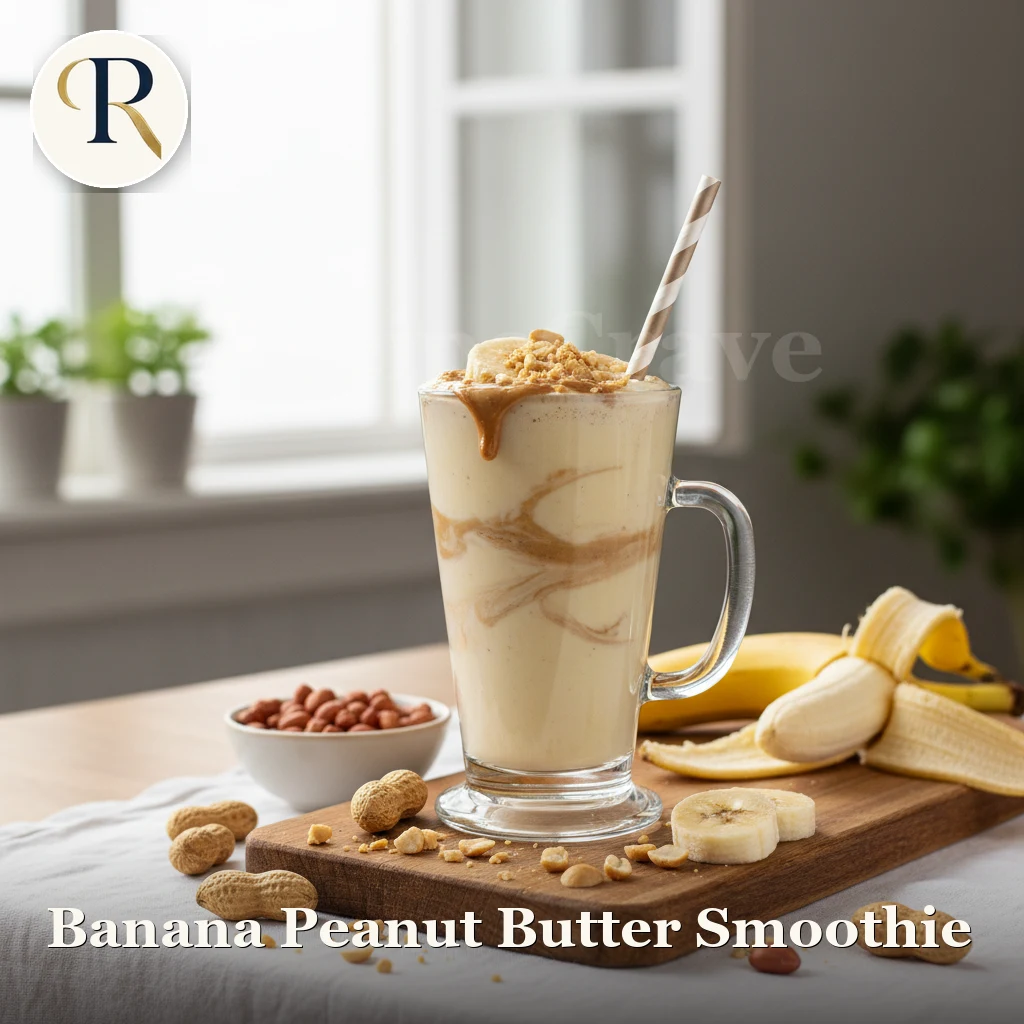
Peanut butter is a favorite because it covers fat and a bit of protein at once. If that combination appeals to you, our banana peanut butter smoothie is a good template to riff on.
What to Skip
A few habits quietly turn a smart smoothie back into a sugar bomb. Watch for these:
- Doubling up on sweeteners. If your fruit is ripe, you likely don't need added honey or syrup at all.
- Fruit juice as the liquid. It's an easy way to double the sugar without noticing.
- Flavored or sweetened yogurt. Choose plain and add your own fruit for sweetness.
- Sorbet or ice cream. Delicious, but they belong in the dessert column, not the energy one.
- Going overboard on high-sugar fruit. Three bananas plus mango plus juice is a lot of sugar at once. Mix in berries or greens to balance it.
Three Example Builds
Here are three blends using the formula. Treat the amounts as flexible starting points and adjust to your taste and blender.
1. Green Steady-Go
- 1 cup unsweetened almond milk
- 1 handful spinach
- 1/2 frozen banana
- 1 scoop plain or vanilla protein powder
- 1 tablespoon almond butter
- 1 tablespoon chia seeds
2. Berry Oat Fuel
- 1 cup milk or kefir
- 1 cup frozen mixed berries
- 1/2 cup Greek yogurt
- 1/4 cup rolled oats
- 1 tablespoon ground flaxseed
3. Peanut Banana Classic
- 1 cup unsweetened plant milk
- 1 frozen banana
- 1 tablespoon natural peanut butter
- 1/2 cup plain yogurt or 1 scoop protein powder
- A pinch of cinnamon
Once the formula clicks, you can build these from whatever's in your kitchen. If you like cooking around what you already have, our what can I cook tool helps you match ingredients to recipes, and you'll find plenty more to explore across our full recipe collection.
Frequently Asked Questions
Can a smoothie really replace a meal?
It can, if it's built like one. A blend with protein, healthy fat, fiber, and some carbs has the components of a balanced meal. A fruit-and-juice-only smoothie is closer to a snack or dessert and likely won't hold you as long.
Is it better to use fresh or frozen fruit?
Both work well nutritionally. Frozen fruit is picked ripe, is usually cheaper, lasts longer, and gives you a thick, cold texture without watering things down with ice. Fresh is lovely when it's in season.
When is the best time to drink an energy smoothie?
Whenever you want steady fuel: breakfast, a pre-workout boost, or that mid-afternoon dip when you'd otherwise reach for something sugary. A balanced blend tends to carry you through those windows more smoothly than fruit alone.
Will a smoothie spike my blood sugar?
Any drink with carbs can raise blood sugar, but pairing those carbs with protein, fat, and fiber may help slow the rise so you avoid the sharp spike-and-crash pattern. If you manage a blood sugar condition, talk with your doctor about what fits you.
This article is general information, not medical advice. For guidance specific to your health, please talk with a qualified professional.
About the author. The RecipeCrave editorial team, cooks and writers sharing practical, tested home-cooking guidance.
Keep reading
A Beginner's Guide to Grilling Fish, Chicken, and Steak
Grilling looks intimidating from the outside, but almost all of it comes down to a few habits: build heat zones, oil a hot grate, flip once, and learn doneness by feel and temperature. Here is the beginner version, step by step.
Fermenting at Home for Beginners: Yogurt, Pickles, and More
Fermenting at home is easier than it looks. Here is how simple fermentation works, two beginner projects to start with, the small kit you need, and the safety signs that tell a good batch from a bad one.
Understanding Cooking Oils: Which One to Use and When
Every oil has a job. Some are built for high heat and a crisp crust, others are best kept raw and drizzled at the end. Here is how to match the oil to the pan, store it well and reuse it without the off flavors.