
Article
Healthy Lunchbox Ideas Kids Actually Eat (No Battles)
Healthy lunchbox ideas kids actually eat: a simple build-a-box formula, prep-ahead shortcuts, food-safety rules, and picky-eater tactics that end battles.
8 min readby The RecipeCrave Kitchen Team
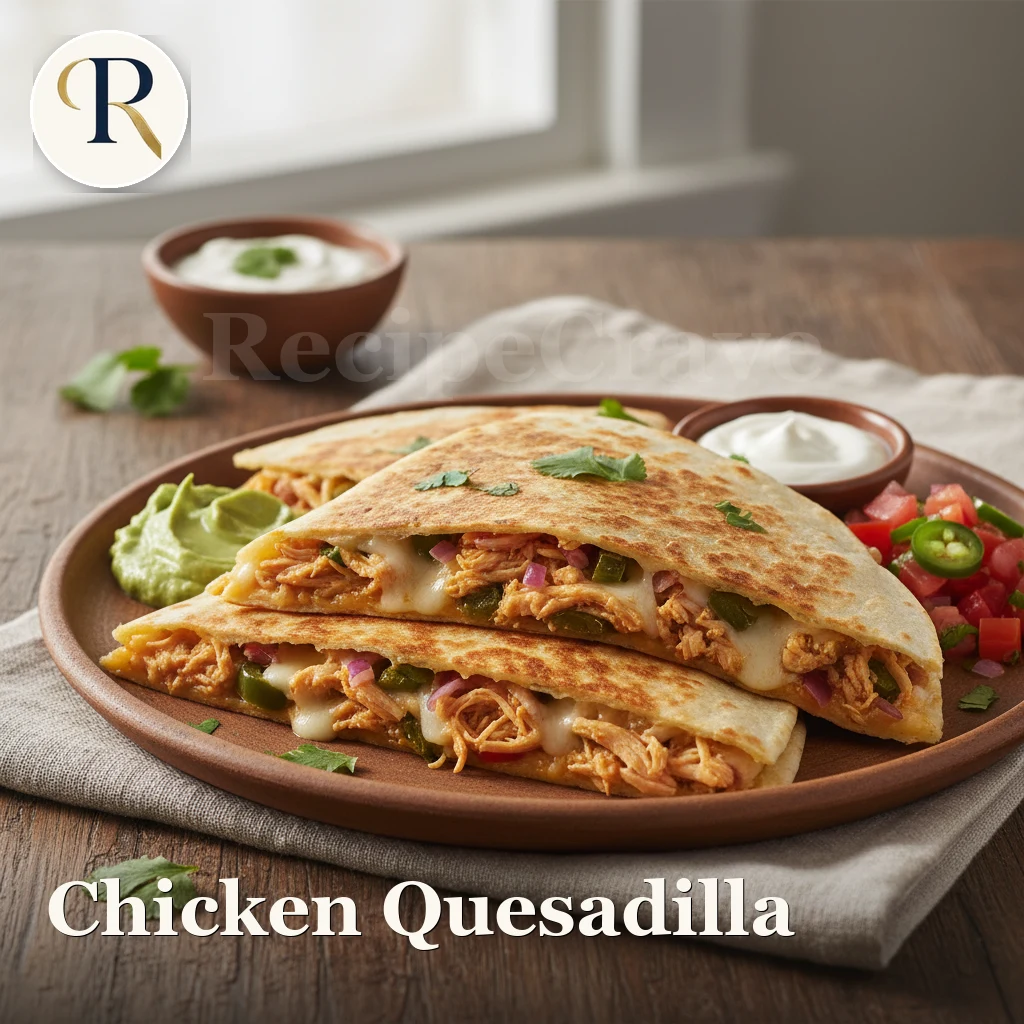
Every parent knows the particular heartbreak of opening a lunchbox at 3:30pm and finding the sandwich you lovingly made at 6:45am, untouched except for one exploratory bite. You packed carrot sticks. They came home. You packed hummus. It came home wearing the carrot sticks. Meanwhile the crackers vanished without a trace, and somehow there's a juice stain on the maths homework.
Here's the good news: healthy lunchbox ideas kids actually eat aren't a myth, and they don't require you to become a bento artist who carves pandas out of rice. What works is a repeatable formula, a little Sunday prep, and a shift in how you think about the job. The lunchbox doesn't have to carry the entire nutritional weight of childhood. It just has to get eaten. Once you accept that, the battles mostly stop, and the vegetables, quietly, gradually, start disappearing too.
Why the Lunchbox Battle Isn't Really About Food
A packed lunch gets eaten under the worst possible conditions: a noisy room, a 20-minute window, friends trading crisps two seats down, and zero adults coaxing anyone to "just try it." Anything that's hard to open, weird-looking by lunchtime, or unfamiliar loses to whatever's easy. That soggy wrap didn't fail because your child hates spinach. It failed because it was soggy.
So the fix isn't more nagging or sneakier vegetables. It's engineering. Food that holds its texture for five hours. Portions a small hand can manage. Familiar things, repeated often, with one small new thing riding along. Kids eat what feels safe and easy, your job is to make the healthy option the safe and easy one.
One principle to pack by
Divide the responsibility: you decide what goes in the box, your child decides what and how much of it gets eaten. No guilt trips over what comes home, no rewards for finishing. It feels counterintuitive, but pressure is the fastest way to turn a neutral food into an enemy. When nothing is a fight, kids get curious again.
The Build-a-Box Formula: Healthy Lunchbox Ideas Made Simple
Forget planning five unique lunches a week. Use one formula every single day and only swap the parts:
- One main, the protein-and-carb anchor: a quesadilla, mini wrap, pasta salad, rice and chicken, egg muffins, a decent sandwich.
- One fruit or veg (ideally both), cut small: apple slices, cucumber coins, halved grapes for little ones, cherry tomatoes, mango cubes, pepper strips.
- One crunch, the texture win: crackers, roasted chickpeas, plantain chips, breadsticks, popcorn for older kids.
- One small treat, two squares of chocolate, a mini biscuit, a date or two. Small, present, and non-negotiable-ly included.
The treat matters more than you'd think. When a treat is guaranteed, it stops being the prize at the end of a hostage negotiation. Kids who know the biscuit is coming don't fill up on it first or trade away the sandwich to get one, the scarcity is gone, so the obsession fades with it.
The formula also hands you an easy script for the supermarket and the Sunday-night pack: main, fruit/veg, crunch, treat. Four slots, filled in five minutes. When you're stuck for mains, browse our recipe collection with a kid-lunch eye, anything handheld, sliceable, and good at room temperature is a candidate.

Mains That Survive Until Lunchtime
The main is where most lunches die, so choose things that are genuinely good hours later:
- Quesadilla wedges. Chicken and cheese pressed in a dry pan until the tortilla blisters, cooled completely, then cut into triangles. The cheese sets as it cools and glues everything together, no filling avalanche, no sog.
- Homemade chicken nuggets. Bake a tray on the weekend; they're honestly better cold than most sandwiches are fresh. You control the chicken, the salt, and the crumb.
- Pasta salad. Short shapes, a little olive oil so nothing clumps, cubed cheese, peas or sweetcorn folded through. Serve it as "cold pasta," not "salad", the word matters.
- Egg muffins. Whisked eggs poured over veg and cheese in a muffin tin. Twelve at a time, freezer-friendly, thawed overnight in the fridge.
- Rice boxes. Yesterday's jollof or fried rice, cooled fast and packed cold with an ice pack. Familiar dinner flavours are the easiest sell at lunch.
The sandwich, fixed
If sandwiches keep coming home, the culprit is usually moisture or size. Butter both slices edge to edge, it's a moisture barrier, not just flavour. Keep wet fillings (tomato, cucumber) packed separately for kids old enough to assemble. And cut everything smaller than feels reasonable: quarters, fingers, rounds cut with a cup. Small hands and short lunch breaks favour food that's two bites, done.
Prep Ahead: The Sunday System That Saves Your Mornings
The difference between a calm 7am and a frantic one is about forty minutes on Sunday:
- Bake one batch main, nuggets, egg muffins, or mini muffins. Portion into containers or freezer bags.
- Wash and cut the veg, cucumbers, peppers, carrots into sticks and coins, stored in water in the fridge so they stay snappy all week.
- Portion the crunch and treats, five little tubs or bags, lined up in one basket. Grab, drop, done.
- Freeze what freezes, quesadillas, muffins, and banana bread slices go straight from freezer to lunchbox and thaw by noon, keeping everything else cool on the way.
Then each evening takes three minutes: main from the fridge, one thing from each basket, box in the fridge overnight. If you want the whole week mapped out with a shopping list to match, our meal planner does the thinking for you, and the What Can I Cook tool is handy for turning whatever's already in the fridge into tomorrow's main instead of buying more.
Pro tip: Pack lunches the night before and refrigerate the whole box, ice pack slots and all. A lunch that starts the day fridge-cold stays safe far longer than one assembled warm at 7am, and you buy yourself fifteen minutes of morning sanity.
Food Safety for Packed Lunches: The Rules That Actually Matter
A lunchbox sits in a warm cloakroom for four or five hours, so a few conservative habits are worth locking in:
- Keep cold food cold. Use an insulated bag with at least one ice pack, two in warm weather, for anything with meat, eggs, dairy, cheese, or cooked rice. A frozen water bottle or frozen yoghurt pouch doubles as an ice pack and a snack.
- Cool cooked food before packing. Sealing warm rice or chicken into a box traps it at the temperatures bacteria love. Cool it in the fridge first, then pack cold.
- Hot food goes in a preheated flask. Fill a food flask with boiling water for a few minutes, empty it, then add soup or pasta that's properly piping hot. Lukewarm-from-the-start is the risky zone.
- Bin the perishable leftovers. If the chicken wrap comes home uneaten after a day in a backpack, it goes in the bin, not back in the fridge. Fruit that's intact and crackers are fine.
- Wash the box daily, hot soapy water, lids and seals included. Silicone seals hide yesterday's yoghurt better than you'd think.
None of this requires special gear beyond an insulated bag and a couple of ice packs. It's cheap insurance, and it also keeps food tasting better, cold pasta salad at proper fridge temperature is genuinely nice; the same salad at room temperature for five hours is not.

Picky-Eater Tactics That Don't Involve Bribery
Some children would happily eat the same four foods until university. You can work with that:
- Use the dip loophole. Almost any child will eat almost anything they're allowed to dunk. Peanut butter for apple slices (where school rules allow, sunflower seed butter swaps in neatly), hummus for peppers, yoghurt for berries. The dip is the event; the fruit is just the spoon.
- Change the shape, not the food. Rejected carrot sticks often get eaten as coins. Sandwiches cut into triangles outperform the same sandwich in squares. It's not logical. It doesn't have to be.
- One new thing, tiny, alongside four safe things. Two green beans next to the beloved quesadilla, no commentary. Repeated low-stakes exposure is how new foods stop being new, it can take a dozen or more meetings before a food gets a fair trial, so keep the portions small and your expectations smaller.
- Let them build it. A DIY box, crackers, cheese, ham, cherry tomatoes in separate compartments, consistently beats the identical ingredients pre-assembled. Control is half the appeal.
- Give them a vote, not a veto. "Cucumber or peppers this week?" gets buy-in. "What do you want for lunch?" gets "crisps."
And widen the pool slowly. A child who eats quesadillas is closer than you think to eating a soft chicken taco, then a wrap with a little something extra inside. Browsing world cuisines together and letting your child pick one thing to try is a lower-pressure route to variety than anything you can engineer at the table.
This article is for general information only and is not medical advice. Talk to your doctor or a registered dietitian before making changes tied to a health condition.
Frequently Asked Questions
What's the easiest healthy lunchbox for a picky eater?
Start with the formula using only foods they already accept: a plain cheese quesadilla, apple slices, crackers, one small treat. That's a perfectly respectable lunch. Then add one tiny new item, two cucumber coins, a single strawberry, and keep repeating it without comment. Safety first, variety slowly.
How do I keep a packed lunch cold until lunchtime?
Insulated bag plus at least one ice pack, and pack the box straight from the fridge rather than assembling it warm in the morning. A frozen water bottle or frozen yoghurt pouch works as a bonus ice pack. In hot weather, or for lunches with meat, egg, dairy, or rice, use two cold sources.
Can I pack leftovers like rice or pasta for school?
Yes, with two rules: cool the food quickly in the fridge after cooking rather than leaving it out, and send it cold with an ice pack in an insulated bag. For hot leftovers like soup or stew, use a food flask you've preheated with boiling water, and make sure the food goes in piping hot, not lukewarm.
How far ahead can I prep school lunches?
Most components hold happily for the school week: baked mains and egg muffins keep three to four days in the fridge (freeze the rest), cut veg stays crisp all week stored in water, and dry snacks can be portioned a week out. Assemble each box the night before and refrigerate it whole, then add the ice pack in the morning.
About the author. The RecipeCrave editorial team, cooks and writers sharing practical, tested home-cooking guidance.
Keep reading
A Beginner's Guide to Grilling Fish, Chicken, and Steak
Grilling looks intimidating from the outside, but almost all of it comes down to a few habits: build heat zones, oil a hot grate, flip once, and learn doneness by feel and temperature. Here is the beginner version, step by step.
Fermenting at Home for Beginners: Yogurt, Pickles, and More
Fermenting at home is easier than it looks. Here is how simple fermentation works, two beginner projects to start with, the small kit you need, and the safety signs that tell a good batch from a bad one.
Understanding Cooking Oils: Which One to Use and When
Every oil has a job. Some are built for high heat and a crisp crust, others are best kept raw and drizzled at the end. Here is how to match the oil to the pan, store it well and reuse it without the off flavors.