
Article
Cooking With Ginger: A Practical Kitchen Guide
A practical guide to cooking with ginger: how to buy, store, peel, and grate fresh root, when ground ginger works better, plus teas and savory dishes.
8 min readby The RecipeCrave Kitchen Team
Cooking with ginger is one of those skills that quietly upgrades everything else you make. The same knobby root that gives a Nigerian pepper soup its heat also sharpens a stir-fry, rounds out a marinade, and turns plain hot water into something worth sipping on a cold evening. Yet plenty of home cooks buy a hand of ginger with good intentions, use one thumb-sized piece, and find the rest shriveled at the back of the fridge three weeks later.
This guide fixes that. We'll cover how to pick a good root at the market, how to store it so it actually lasts, the fastest ways to peel and grate it, when ground ginger beats fresh (and when it absolutely doesn't), and how to put it to work in savory dishes, teas, and drinks. By the end, ginger should feel less like an occasional recipe ingredient and more like the workhorse it is.
How to Buy Good Ginger
Fresh ginger is sold as a "hand", a branching root with fat fingers. The best hands feel heavy for their size, with skin that's thin, taut, and slightly shiny. Snap off a knob and the break should be crisp and juicy, with a sharp smell that hits your nose immediately.
Skip anything with wrinkled, papery skin, soft spots, or visible mold in the crevices. Wrinkles mean the root has been losing moisture for weeks, and with the moisture goes much of the aroma. If you can see fibers poking out of a cut end like coarse threads, the root is older and will be stringier under the grater, usable, but you'll work harder for less flavor.
How much to buy
Buy less than you think you need unless you have a storage plan. A piece the size of your palm covers a week or two of regular cooking. If ginger features heavily in your rotation, say you're deep into the aromatic end of our world cuisines collection, buy a bigger hand and freeze most of it the day you get home. More on that below.
Storing Ginger So It Lasts
Ginger's enemy is moisture on the outside and moisture loss on the inside. On the counter, an unwrapped hand keeps for about a week before the skin starts to pucker. In the fridge, unpeeled ginger in a paper towel inside a loosely sealed bag or container lasts several weeks, the towel absorbs condensation that would otherwise invite mold in the folds.
The freezer is where ginger really earns its keep. Freeze whole unpeeled knobs in a freezer bag and they hold their punch for months. There's no need to thaw before using; frozen ginger grates more easily than fresh, breaking into a fine, almost fluffy pile with none of the stringiness. Once a piece has been peeled or cut, though, keep it in the fridge and use it within a week, the exposed flesh dries fast.
Pro tip: Grate a whole hand of ginger in one sitting, portion it into teaspoon-sized mounds on a parchment-lined tray, and freeze. Once solid, tip the mounds into a bag. You now have pre-measured ginger for months of weeknight cooking, no peeling, no grater to wash at 6pm.
Peeling and Grating Without the Fuss
Here's the part most people overcomplicate. Ginger skin is thin, and the best flavor sits directly underneath it, so a vegetable peeler or knife wastes the good stuff and struggles with the knobbly bits anyway.
The spoon trick
Use the edge of a teaspoon. Scrape it along the root and the skin peels away in papery strips while the flesh stays intact. The spoon follows every curve and gets into the joints between fingers where a peeler can't reach. Thirty seconds, minimal waste, no cut fingers.
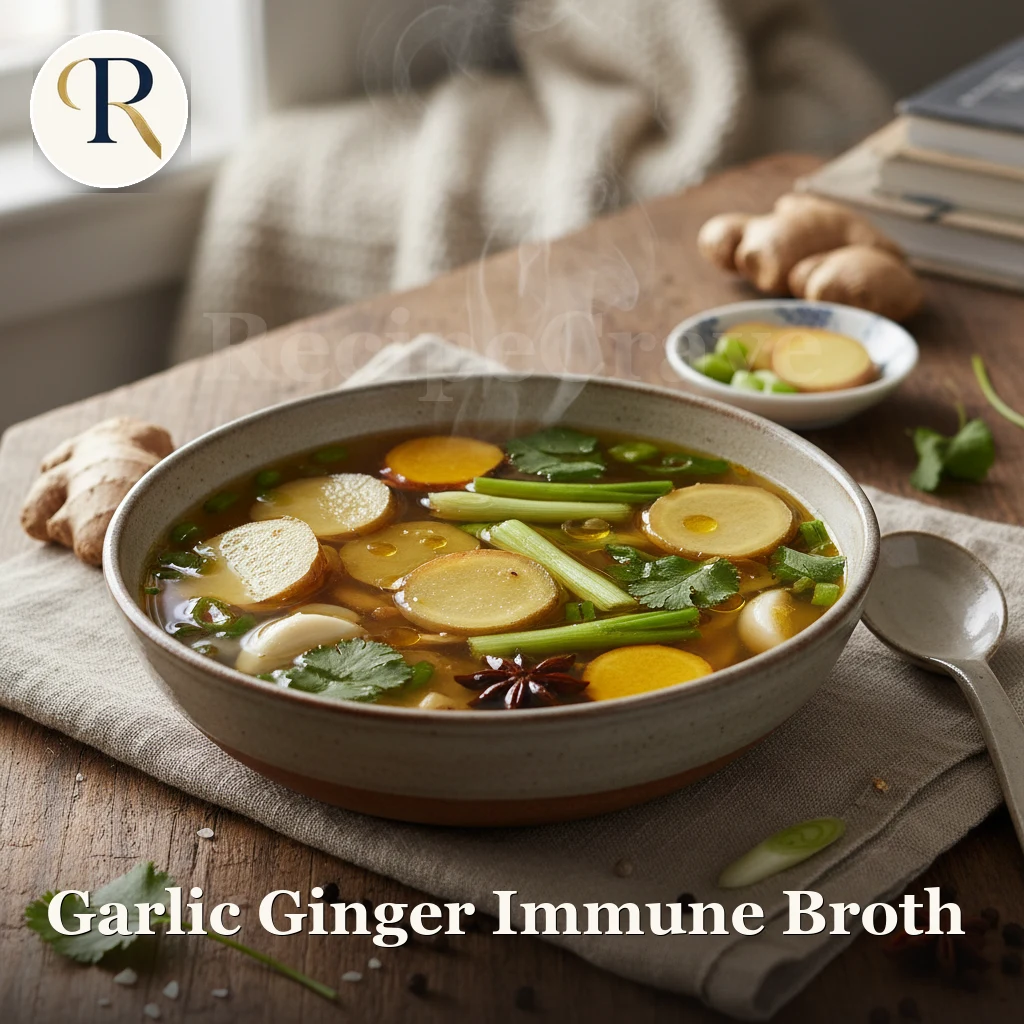
And honestly? If your ginger is young and the skin is thin, you often don't need to peel at all. For broths, teas, and anything you'll strain, just scrub the root well and slice it skin-on.
Grating, mincing, and slicing
Match the cut to the dish. A fine rasp-style grater turns ginger into a wet paste that melts into marinades, dressings, and stir-fry sauces, grate across the fibers, not along them, so the strings stay on the grater instead of in your food. A knife gives you matchsticks or coins for dishes where you want visible, chewable pieces, like braises or pickles. For big batches, a pepper soup base, a pot of stew for the week's meal plan, rough-chop peeled ginger and blitz it with garlic and a splash of water into a paste that keeps in the fridge for days.
Fresh vs Ground Ginger: Not Interchangeable
Fresh and ground ginger are close cousins, not twins. Drying changes the root's character: fresh ginger is bright, citrusy, and sharply pungent, while ground ginger is warmer, earthier, and more peppery. That's why gingerbread made with fresh ginger tastes oddly thin, and why a stir-fry finished with ground ginger tastes like baking spice landed in your wok.
A rough working rule: use fresh where ginger is a lead flavor, stir-fries, teas, marinades, soups, and ground where it plays in a spice ensemble, like baked goods, curry powders, and dry rubs. If you must substitute, about a quarter teaspoon of ground stands in for a tablespoon of fresh grated, but expect a different personality, not a perfect match. Ground ginger also fades on the shelf; if the jar smells like dust rather than spice, it's done. You can compare how different cuisines lean on each form in our herbs and spices guide.
Cooking With Ginger in Savory Dishes
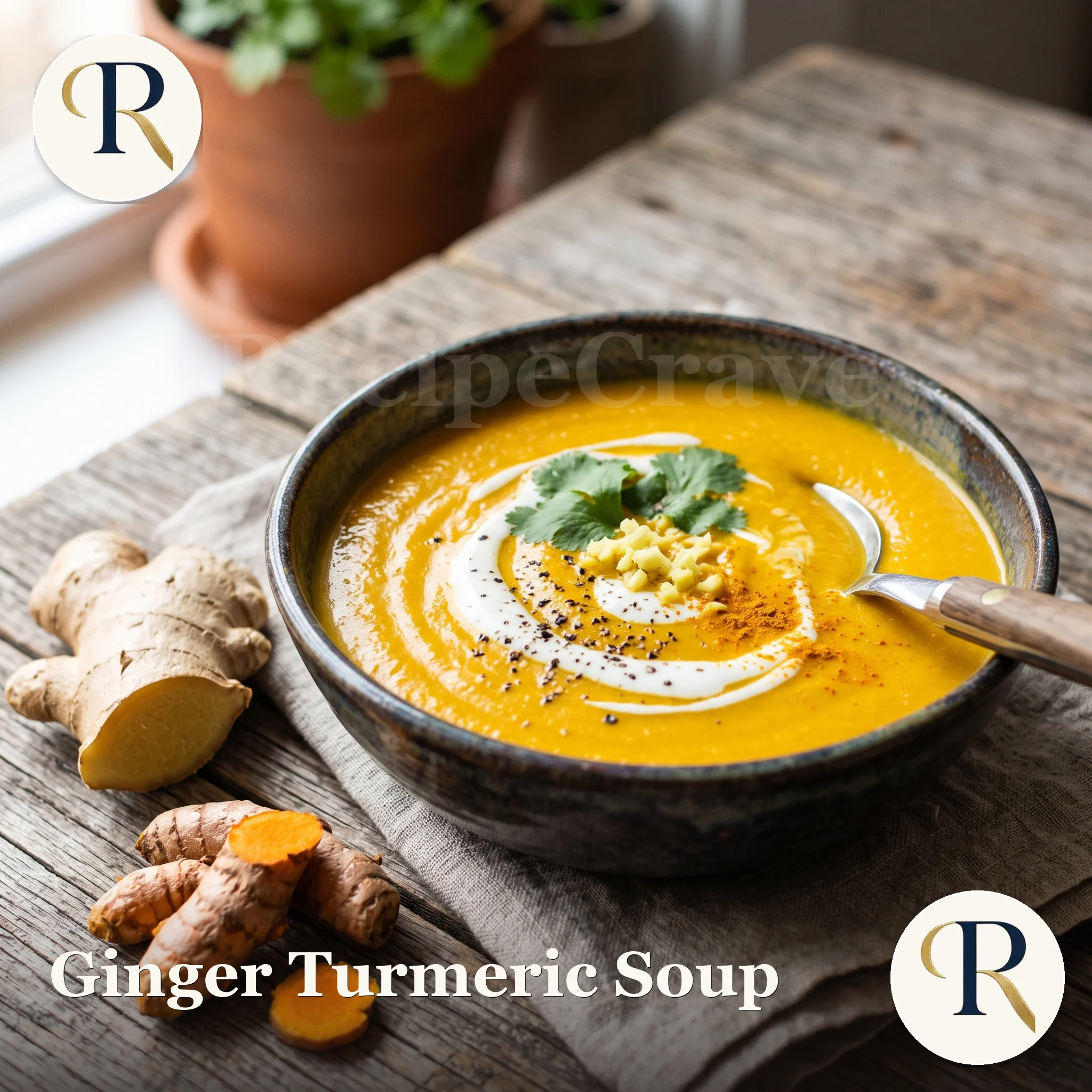
Savory cooking is where ginger does its heaviest lifting. In West African kitchens it anchors pepper soup, suya marinades, and jollof bases. Across Asia it forms half of the ginger-garlic pairing that opens thousands of dishes. The technique that matters most is when you add it.
Added early, sizzled in oil at the start with onions and garlic, ginger mellows and sweetens, seasoning the whole pot from the ground up. You'll smell the change: the raw sharpness cooks off in about a minute and turns rounder, almost toasty. Added late, stirred in during the last minutes, or grated raw over a finished dish, it stays bright and spicy. Great ginger dishes often do both: a base of cooked ginger for depth, a final hit of fresh for lift.
A few reliable places to put it to work: whisked with soy sauce and honey into a marinade for chicken thighs, simmered in coins in a chicken or fish broth, pounded into a paste with garlic and chili for stews, or grated into a pan sauce right at the end. If you've got ginger and not much else, our What Can I Cook tool will match it with whatever's in your fridge.
Ginger in Teas and Drinks
The simplest ginger tea needs nothing but sliced root and hot water: five or six thin coins per cup, steeped ten minutes, longer if you like it fierce. Simmering instead of steeping pulls out more heat and body. From there, the additions write themselves, lemon and honey, a bruised stalk of lemongrass, a few black peppercorns.
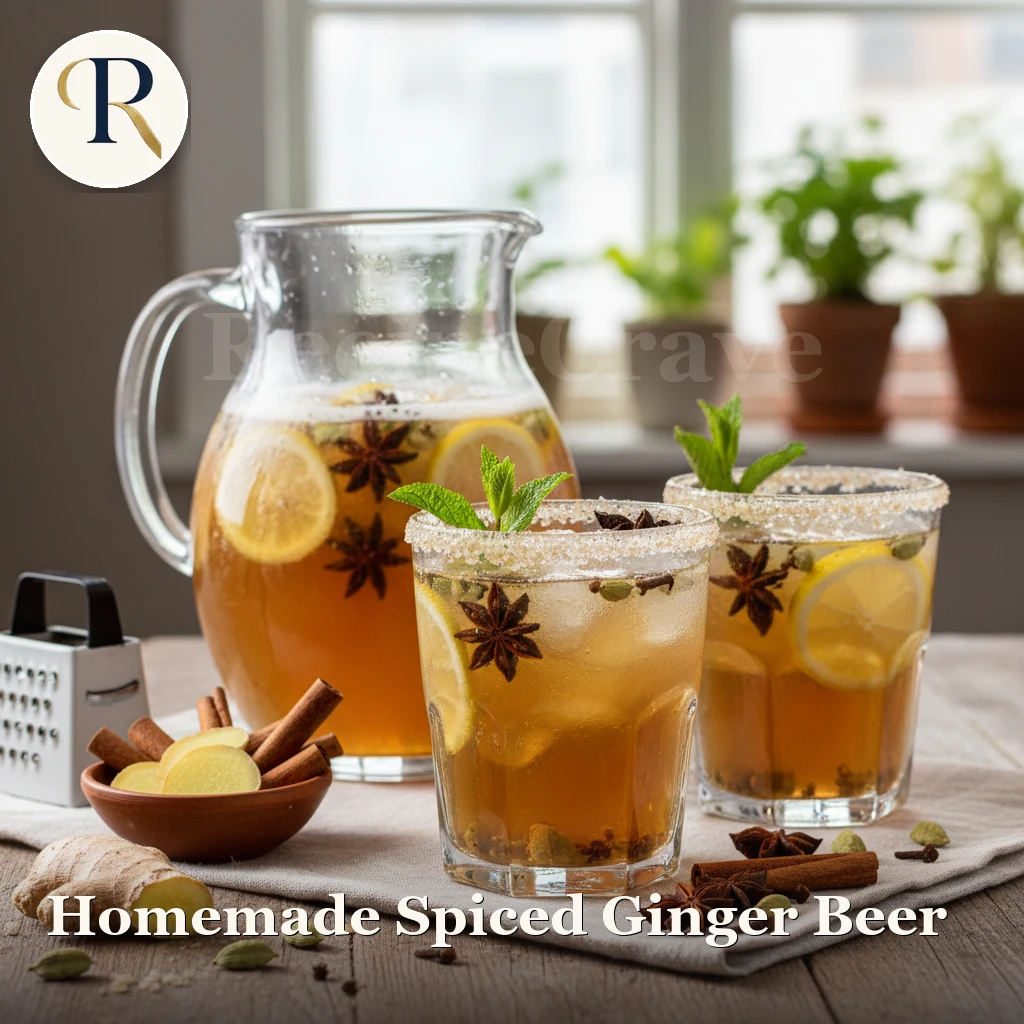
Homemade ginger beer, the drink on our cover, starts the same way: a strong ginger decoction, sweetened, brightened with lime, and either carbonated or left as a still ginger drink the way it's often served across West Africa and the Caribbean. Ginger syrup, equal parts sugar and water simmered with a generous pile of sliced ginger, keeps in the fridge for a couple of weeks and turns sparkling water, cocktails, and iced tea into something deliberate. You'll find full versions of these in our recipe collection.
Traditional Uses: What Ginger Has Long Been Used For
Ginger has a long history in traditional cooking and home remedies across West Africa, Asia, and the Caribbean. It has traditionally been used in warm drinks for queasy stomachs, in broths served to people feeling run-down, and in teas taken after heavy meals. Some people find a cup of ginger tea settling when they feel nauseous, and many cultures reach for ginger-heavy soups during cold season simply because they're warming and easy to eat.
It's worth being honest about what we know: these are traditions and personal experiences, not guarantees. Ginger may support comfort for some people in some situations, and it may do little for others. It is not a treatment or cure for any condition, and drinking ginger tea is no substitute for actual medical care. Enjoy it first and foremost because it tastes good, anything else is a possible bonus, not a promise.
This article is for general information only and is not medical advice. Talk to your doctor or a registered dietitian before making changes tied to a health condition.
Frequently Asked Questions
Do I really need to peel ginger?
Not always. If the skin is thin and the root is young, a good scrub is enough for teas, broths, and anything strained. Peel when you're grating or mincing ginger directly into a dish, since papery bits of skin are unpleasant to chew. The spoon-scrape method is the fastest way when you do peel.
How long does fresh ginger last?
Roughly a week on the counter, several weeks in the fridge wrapped in a paper towel inside a loosely sealed bag, and months in the freezer as whole unpeeled knobs. Once cut or peeled, refrigerate and use within about a week. If you see mold, soft spots, or a fermented smell, discard it.
Can I substitute ground ginger for fresh?
In a pinch, use about a quarter teaspoon of ground per tablespoon of fresh grated, but the flavor changes. Ground ginger is warmer and more peppery, fresh is brighter and sharper. Baked goods usually want ground; stir-fries, teas, and marinades usually want fresh.
Why is my ginger stringy when I grate it?
Stringiness means the root is mature or has been sitting a while, the fibers toughen with age. Grate across the fibers rather than along them so the strings stay behind on the grater, or freeze the ginger first, which makes it grate into a fine, fluffy texture with almost no strings.
About the author. The RecipeCrave editorial team, cooks and writers sharing practical, tested home-cooking guidance.
Keep reading
A Beginner's Guide to Grilling Fish, Chicken, and Steak
Grilling looks intimidating from the outside, but almost all of it comes down to a few habits: build heat zones, oil a hot grate, flip once, and learn doneness by feel and temperature. Here is the beginner version, step by step.
Fermenting at Home for Beginners: Yogurt, Pickles, and More
Fermenting at home is easier than it looks. Here is how simple fermentation works, two beginner projects to start with, the small kit you need, and the safety signs that tell a good batch from a bad one.
Understanding Cooking Oils: Which One to Use and When
Every oil has a job. Some are built for high heat and a crisp crust, others are best kept raw and drizzled at the end. Here is how to match the oil to the pan, store it well and reuse it without the off flavors.