
Article
Cooking With Garlic: Flavor, Technique, and Easy Recipes
Master cooking with garlic: when to mince, crush, or leave cloves whole, how to stop it burning, roast whole heads, and store it right at home.
9 min readby The RecipeCrave Kitchen Team
Cooking with garlic is one of those skills that separates food that tastes fine from food people ask about. The same clove can be sharp and fiery, mellow and nutty, or sweet enough to spread on bread like butter, and the difference comes down to how you cut it, when it hits the pan, and how long it stays there. Most home cooks were never taught any of this. They just toss minced garlic into hot oil, smell it scorch thirty seconds later, and wonder why their pasta tastes faintly bitter.
This guide fixes that. We'll cover why mincing, crushing, and whole cloves behave so differently, how to keep garlic from burning, how to roast a whole head until it turns to golden jam, how cooks around the world handle it, and how to store it so it doesn't sprout in a fortnight. By the end, you'll treat garlic less like an ingredient and more like a dial you can turn.
Mince, Crush, Slice, or Whole: Why the Cut Matters
Garlic's punch comes from a chemical reaction. Intact cloves are surprisingly mild, the pungent compounds only form when cell walls rupture and an enzyme meets its partner compound. More damage means more reaction, which means more heat and bite. That's the whole secret, and it gives you four distinct settings.
Minced or grated: maximum intensity
Fine mincing or grating on a rasp ruptures the most cells, so you get the loudest garlic flavor that spreads evenly through a dish. Use it when garlic should announce itself: stir-fries, garlic butter, marinades, aglio e olio. The trade-off is fragility, tiny pieces burn fast, sometimes in under a minute in hot oil.
Crushed or smashed: the middle path
A clove smashed under the flat of a knife releases plenty of flavor but stays in one piece, so it can simmer in a sauce or sizzle in oil without scorching, then be fished out or left to melt in. Crushing through a press lands closer to minced in strength, pressed garlic is nearly a paste.
Sliced: garlic you can taste in pieces
Thin slices give you gentler perfume plus little bites of texture. Sliced garlic toasted to pale gold in olive oil is the backbone of half the pasta dishes in southern Italy.
Whole cloves: sweet and quiet
Left whole and cooked slowly, in a braise, a tray of roast vegetables, or a confit, garlic loses almost all its aggression and turns sweet, soft, and nutty. Six whole cloves in a stew add less sharpness than one minced clove added at the end.
- Grated or pressed: hottest, fastest to burn, add late or off heat
- Minced: strong and even, the everyday workhorse
- Smashed: flavorful but sturdy, great for infusing oil and sauces
- Sliced: mellow with texture, pastas and sautés
- Whole: sweetest and mildest, roasts, braises, confit
How to Avoid Burnt Garlic (the Most Common Mistake)
Burnt garlic doesn't just lose flavor, it actively ruins a dish, coating everything in an acrid bitterness you can't cook out. Because the pieces are small and full of sugars, garlic goes from golden to burnt in seconds, and it keeps darkening after you pull the pan off the heat.
A few habits solve it for good:
- Start garlic in cold oil. Put garlic and oil in the pan together, then bring the heat up. The garlic flavors the oil gradually and you can watch it color instead of racing it.
- Onions first, garlic second. If a recipe has both, soften the onions for several minutes, then add garlic for the final 30 to 60 seconds before liquid goes in. Onions can take ten minutes of sautéing; garlic can't.
- Use the food as a shield. Adding tomatoes, stock, wine, or vegetables immediately after the garlic turns fragrant drops the pan temperature and stops the browning.
- Match the cut to the heat. Screaming-hot wok? Use sliced or smashed garlic, not grated. Gentle simmer? Anything goes.
- Trust your nose. Garlic tells you when it's ready, the smell turns from raw and sharp to warm and toasty. The moment you catch that, move to the next step.
If garlic does burn, don't try to rescue it. Wipe the pan, take a breath, and start the oil again. Two minutes now beats a bitter dinner later. If you're deciding what that dinner should be, our What Can I Cook tool can build a dish around whatever's already in your kitchen, garlic included.
Roasting Whole Heads: Garlic's Sweetest Form
Roasting transforms garlic completely. Forty-five minutes in the oven turns a firm, spicy head into soft, caramel-colored cloves you can squeeze out like toothpaste, sweet, mellow, and rich, with none of raw garlic's burn.
The method
- Heat the oven to 200°C (400°F).
- Slice the top quarter off a whole head to expose the cloves. Leave the papery skin on, it holds everything together.
- Set it cut-side up on foil, drizzle with a spoonful of olive oil, and add a pinch of salt.
- Wrap loosely and roast for 40 to 50 minutes, until the cloves are deep gold and completely soft when pressed.
- Cool for ten minutes, then squeeze the cloves out from the base.
What to do with it
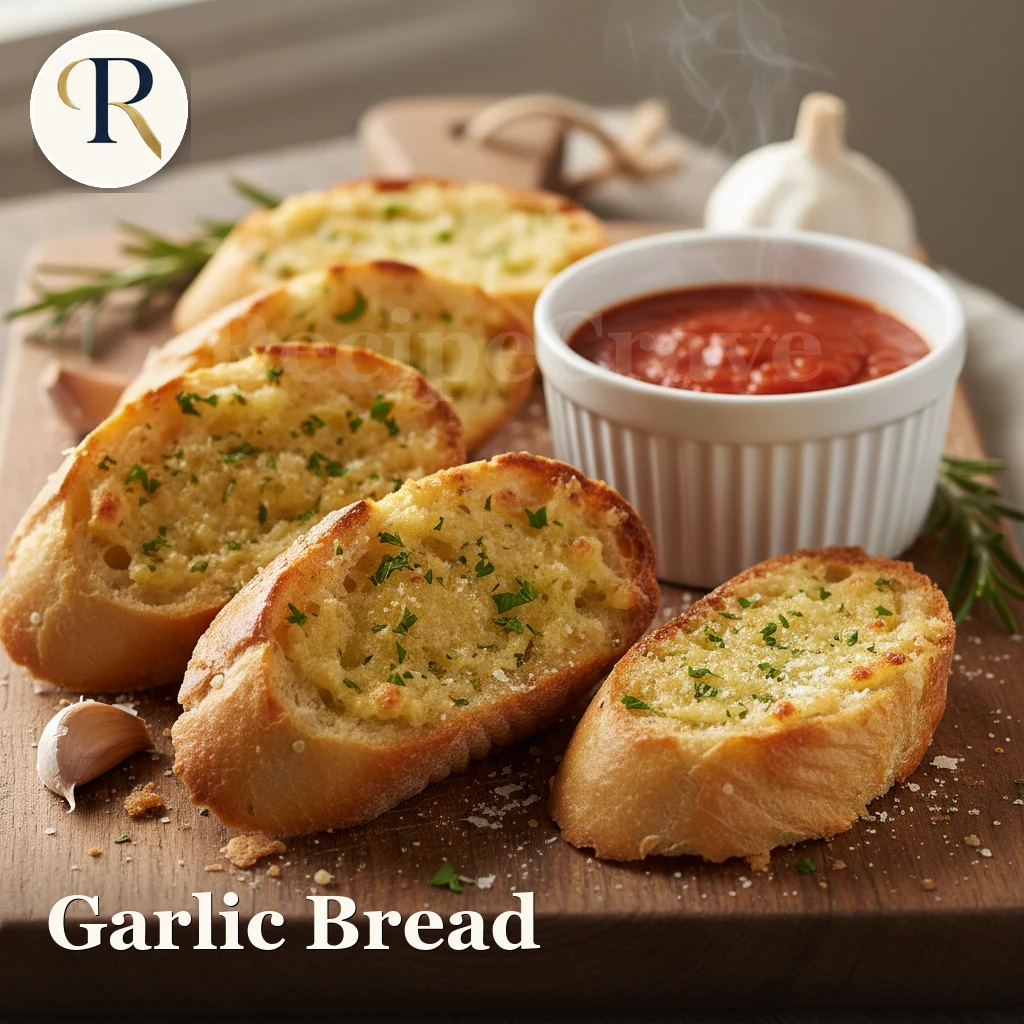
- Mash into softened butter for the best garlic bread of your life
- Whisk into mashed potatoes, hummus, or salad dressings
- Spread straight onto toasted bread with flaky salt
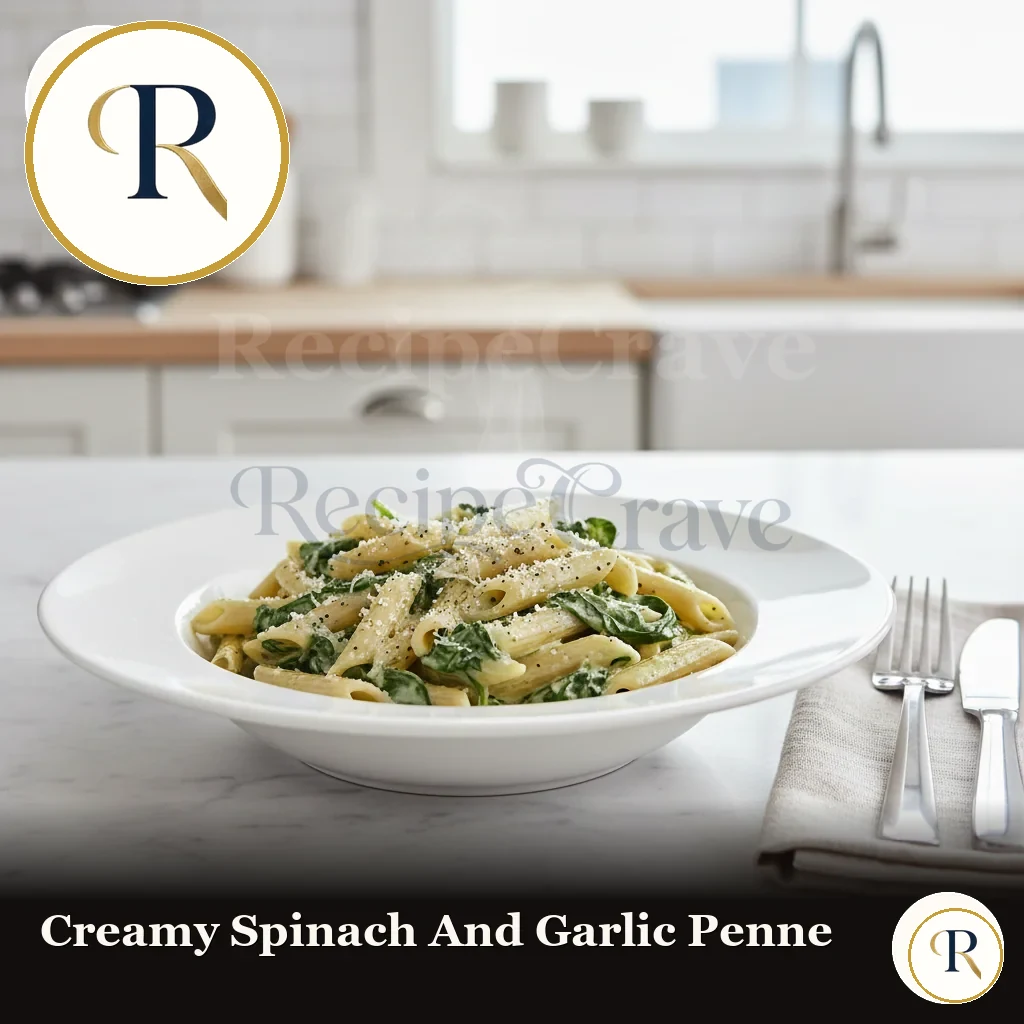
- Stir into cream sauces, it gives dishes like our creamy spinach and garlic penne their deep, rounded base note
- Blend into soups for body and sweetness without sharpness
Roast three or four heads at once while the oven's already on. The mash keeps in the fridge for several days and disappears faster than you'd think. For more ways to use it, browse the full recipe collection, roasted garlic sneaks into more dishes than you'd expect.
Garlic Around the World
Almost every major cuisine leans on garlic, but each treats it differently, and stealing those habits makes you a better cook at home.
West Africa
In Nigerian and wider West African cooking, garlic is usually blended raw with ginger, onions, and peppers into a wet base that gets fried down slowly for stews, jollof, and soups. The long fry mellows the garlic while its flavor fuses with everything else.
Italy
Italian cooks often use garlic like a tea bag: whole or sliced cloves gently toasted in olive oil to perfume it, sometimes removed before the dish is finished. Restraint is the point, garlic supports the tomato or the seafood rather than shouting over it.
China and Southeast Asia
Here garlic goes in hot and fast, chopped and flash-fried with ginger and scallions in a blazing wok for seconds before the main ingredients land. Fried garlic oil and crispy garlic chips are also spooned over noodles and rice as a finishing crunch.
The Middle East and the Levant
Raw garlic gets pounded with salt and emulsified with oil and lemon into toum, a fluffy white sauce served with grilled chicken. It's garlic at full volume, balanced by acid and fat.
Korea, India, and beyond
Korean cooking uses garlic generously in marinades, stews, and kimchi. Indian cuisine grinds it with ginger into the garlic-ginger paste that starts countless curries. Explore our cuisine guides to see how these traditions build flavor from the same humble clove.
Storing Garlic So It Lasts
Good storage keeps garlic firm and flavorful for weeks; bad storage gives you sprouted, rubbery cloves in days.
- Whole heads: keep them in a cool, dry, dark spot with airflow, a basket or mesh bag in the pantry, not a sealed container and not the fridge. Refrigeration's humidity encourages sprouting and mold. Stored well, whole heads last a month or more.
- Broken heads: once you've pulled cloves off, use the rest within about ten days.
- Peeled or chopped garlic: refrigerate in a sealed container and use within a few days, or freeze. Frozen minced garlic (try teaspoon-sized dollops on a tray) goes straight into hot pans beautifully.
- Roasted garlic: fridge, sealed, a few days, or freeze the mash in small portions.
- Sprouted cloves: still safe to eat. The green shoot can taste bitter, so split the clove and flick it out with a knife tip.
One real safety rule: never store raw garlic in oil at room temperature, and don't keep homemade garlic-in-oil in the fridge for more than a few days. Garlic is a low-acid food, and oil creates the oxygen-free environment where botulism bacteria can grow. Make garlic oil fresh, refrigerate it, and use it quickly, or freeze it. Buying in bulk? The meal planner helps you cook through ingredients before they turn.
Pro tip: To peel lots of cloves fast, smash the whole head with your palm to separate it, drop the cloves into a jar or between two metal bowls, and shake hard for twenty seconds. The skins slip right off, no sticky fingers, no fiddly picking.
Beyond flavor, garlic has been used in traditional cooking and folk remedies for centuries, and some people find it a satisfying way to season food while using less salt. If garlic-heavy eating leaves you with digestive discomfort, ease back, everyone's tolerance differs.
This article is for general information only and is not medical advice. Talk to your doctor or a registered dietitian before making changes tied to a health condition.
Frequently Asked Questions
Why does my garlic taste bitter?
Almost always because it burned. Garlic browns in seconds in hot oil, and even lightly scorched pieces turn the whole dish bitter. Add garlic later in the sauté, start it in cold oil, or use bigger cuts (sliced or smashed) that tolerate heat better. A green sprout in the center of older cloves can also add bitterness, split the clove and remove it.
Is jarred minced garlic as good as fresh?
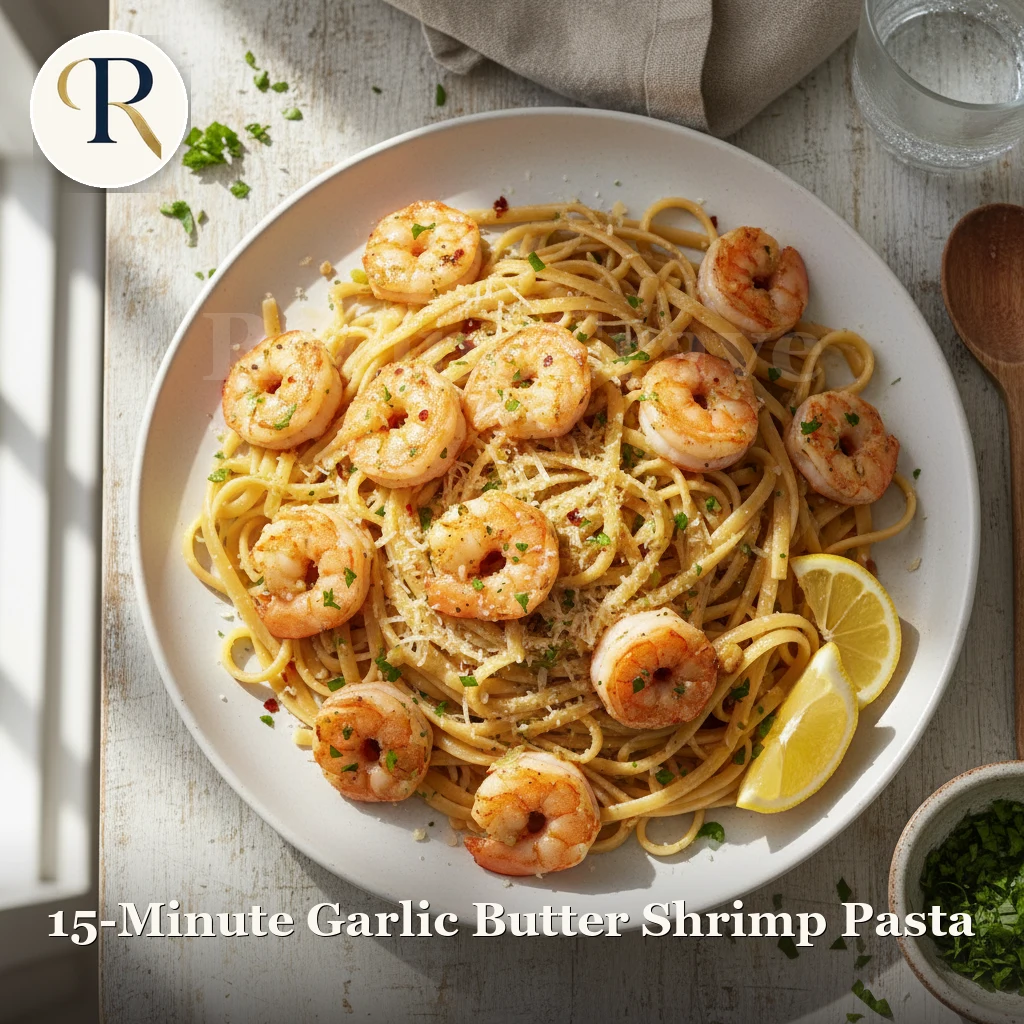
It's convenient, but it's not the same. Jarred garlic is preserved with acid, which flattens its flavor and adds a faint sour note; it also misses the fresh punch that comes from just-broken cells. It works fine in long-simmered stews and marinades. For anything where garlic leads, garlic bread, aglio e olio, garlic butter shrimp, fresh cloves are worth the two extra minutes.
How do I get garlic smell off my hands?
Rub your fingers on stainless steel, the sink, a spoon, the flat of a clean knife, under cold running water for fifteen seconds or so. The sulfur compounds bind to the metal. Follow with a regular soap wash and the smell is mostly gone. Lemon juice or a paste of baking soda and water also helps with stubborn traces.
Can I substitute garlic powder for fresh garlic?
Yes, with adjusted expectations. Garlic powder is dehydrated garlic with a toastier, more uniform flavor and none of the fresh bite. As a rough guide, about a quarter teaspoon of powder stands in for one fresh clove. It shines in spice rubs, batters, and dressings where fresh pieces would burn or feel out of place. Just don't add it to a dry hot pan, it scorches even faster than fresh.
About the author. The RecipeCrave editorial team, cooks and writers sharing practical, tested home-cooking guidance.
Keep reading
A Beginner's Guide to Grilling Fish, Chicken, and Steak
Grilling looks intimidating from the outside, but almost all of it comes down to a few habits: build heat zones, oil a hot grate, flip once, and learn doneness by feel and temperature. Here is the beginner version, step by step.
Fermenting at Home for Beginners: Yogurt, Pickles, and More
Fermenting at home is easier than it looks. Here is how simple fermentation works, two beginner projects to start with, the small kit you need, and the safety signs that tell a good batch from a bad one.
Understanding Cooking Oils: Which One to Use and When
Every oil has a job. Some are built for high heat and a crisp crust, others are best kept raw and drizzled at the end. Here is how to match the oil to the pan, store it well and reuse it without the off flavors.