
Article
Baking for Beginners: Start With Banana Bread and Muffins
Baking for beginners made simple: why banana bread and muffins are the perfect first bakes, plus measuring, mixing, and oven tips that actually work.
8 min readby The RecipeCrave Kitchen Team
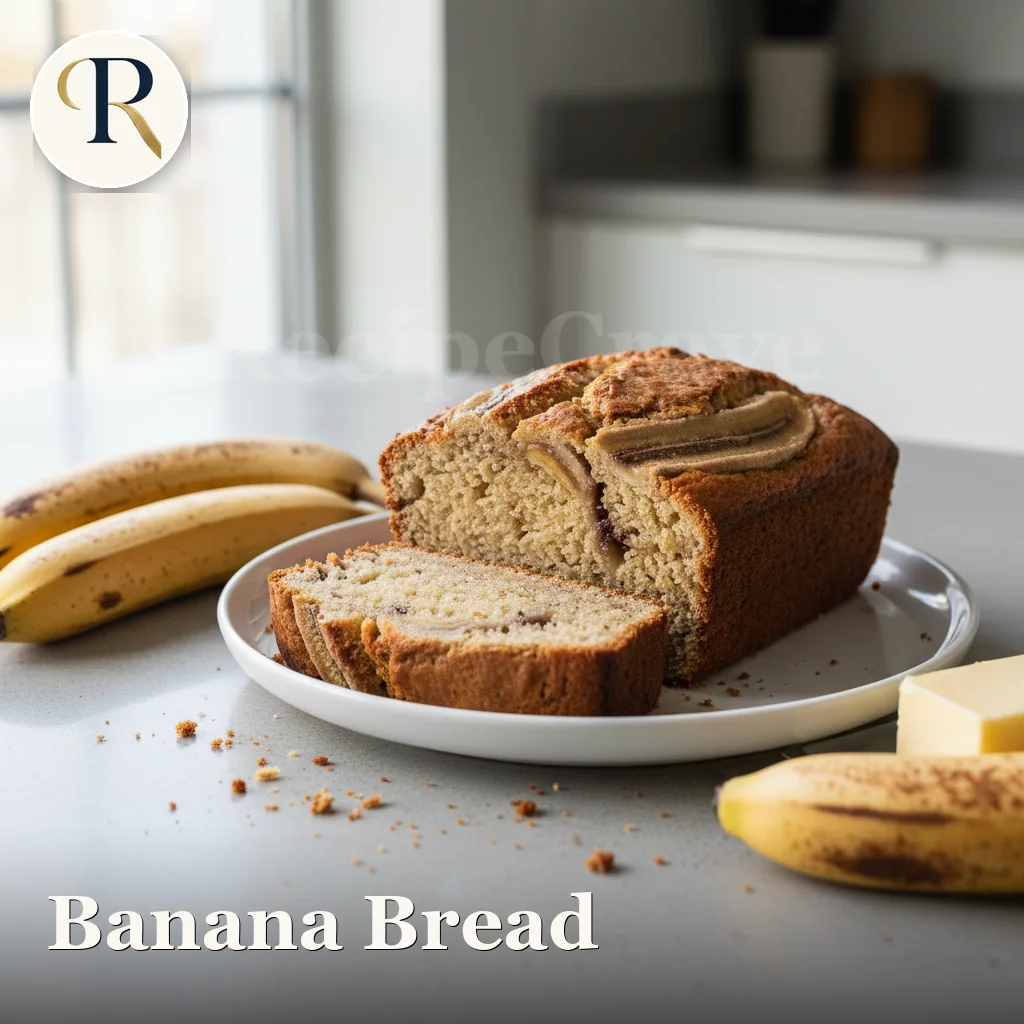
If you've been wanting to learn baking but keep scrolling past croissant tutorials with a sense of dread, here's the honest truth: baking for beginners should start with quick breads. Banana bread and muffins are the two most forgiving things you can pull out of an oven. There's no yeast to wake up, no dough to knead, no proofing schedule to babysit. You stir two bowls together, scrape the batter into a pan, and forty minutes later your kitchen smells like a bakery.
That forgiveness is exactly what makes them such good teachers. Every skill that matters in baking, measuring accurately, mixing with restraint, reading your oven, knowing when something is actually done, shows up in a banana bread loaf. Master it here, where a mistake still tastes pretty good, and you'll carry those instincts into everything else you bake. Browse our recipe collection when you're ready for your first loaf, and let's walk through what actually matters.
Why Quick Breads Are the Perfect First Bake
Quick breads get their name because they rise with chemical leaveners, baking soda and baking powder, instead of yeast. The moment liquid hits those powders, tiny bubbles start forming, and heat finishes the job in the oven. No waiting, no fermentation, no skill ceiling to climb before you get an edible result.
They're also structurally tolerant. Banana bread batter is heavy with mashed fruit, fat, and sugar, which means small errors get absorbed. Slightly too much flour? The bananas keep it moist anyway. Oven runs a little hot? The dense crumb doesn't collapse the way a delicate sponge cake would. Compare that to macarons, where a single extra fold of the batter ruins the whole tray.
What quick breads teach you
- Measuring discipline, you learn why a cup of flour isn't always a cup of flour.
- Mixing restraint, the single most important muscle memory in all of baking.
- Oven literacy, hot spots, true temperature, and the toothpick test.
- Ingredient intuition, how ripeness, fat, and sugar change texture.
And the stakes stay low. A slightly dense banana bread is still banana bread. Toast it, butter it, nobody complains.
Measuring Properly: Where Most Beginner Bakes Go Wrong
Cooking tolerates eyeballing. Baking doesn't, at least not until you've built the instincts. The most common beginner mistake isn't a technique failure at all; it's scooping flour straight from the bag with the measuring cup. That packs the flour down and can add 20 to 30 percent more than the recipe intends. Extra flour is the number one cause of dry, dense, cracked-on-top quick breads.
The spoon-and-level method
- Fluff the flour in its container with a spoon or fork.
- Spoon it loosely into your measuring cup, don't tap or shake the cup.
- Sweep the excess off with the flat back of a knife.
If you own a kitchen scale, use it. Weighing removes the guesswork entirely, and most good recipes list gram weights. A scale costs less than a takeaway dinner and will improve your baking more than any other single purchase. Our kitchen calculators can help you convert between cups and grams when a recipe only gives you one.
Other measuring details that matter
- Brown sugar gets packed firmly into the cup, it's the one ingredient where packing is correct.
- Baking soda and powder should be leveled precisely. A heaping teaspoon of soda leaves a bitter, soapy aftertaste.
- Bananas should be genuinely ripe, heavily speckled or nearly black. Firm yellow bananas have less sugar and less flavor, and they don't mash smoothly.
- Liquids get measured at eye level in a clear cup, sitting on the counter, not held in the air.
The Muffin Method: Mix Less Than You Think
Nearly every quick bread uses what bakers call the muffin method: whisk the dry ingredients in one bowl, whisk the wet ingredients in another, then fold them together briefly. The word doing the heavy lifting there is briefly.
Here's why. Flour contains proteins that link up into gluten the moment they're wet and agitated. In a chewy baguette, that's the goal. In a muffin, gluten is the enemy, it makes the crumb rubbery and riddled with tunnels. Every extra stir builds more of it.
How to know when to stop
Fold with a spatula, not a whisk, using big sweeping strokes from the bottom of the bowl. Stop when you can no longer see dry streaks of flour, even if the batter still looks lumpy. Lumpy is correct. A smooth, glossy, pourable batter means you've gone too far. Most banana bread batters come together in ten to fifteen folds.
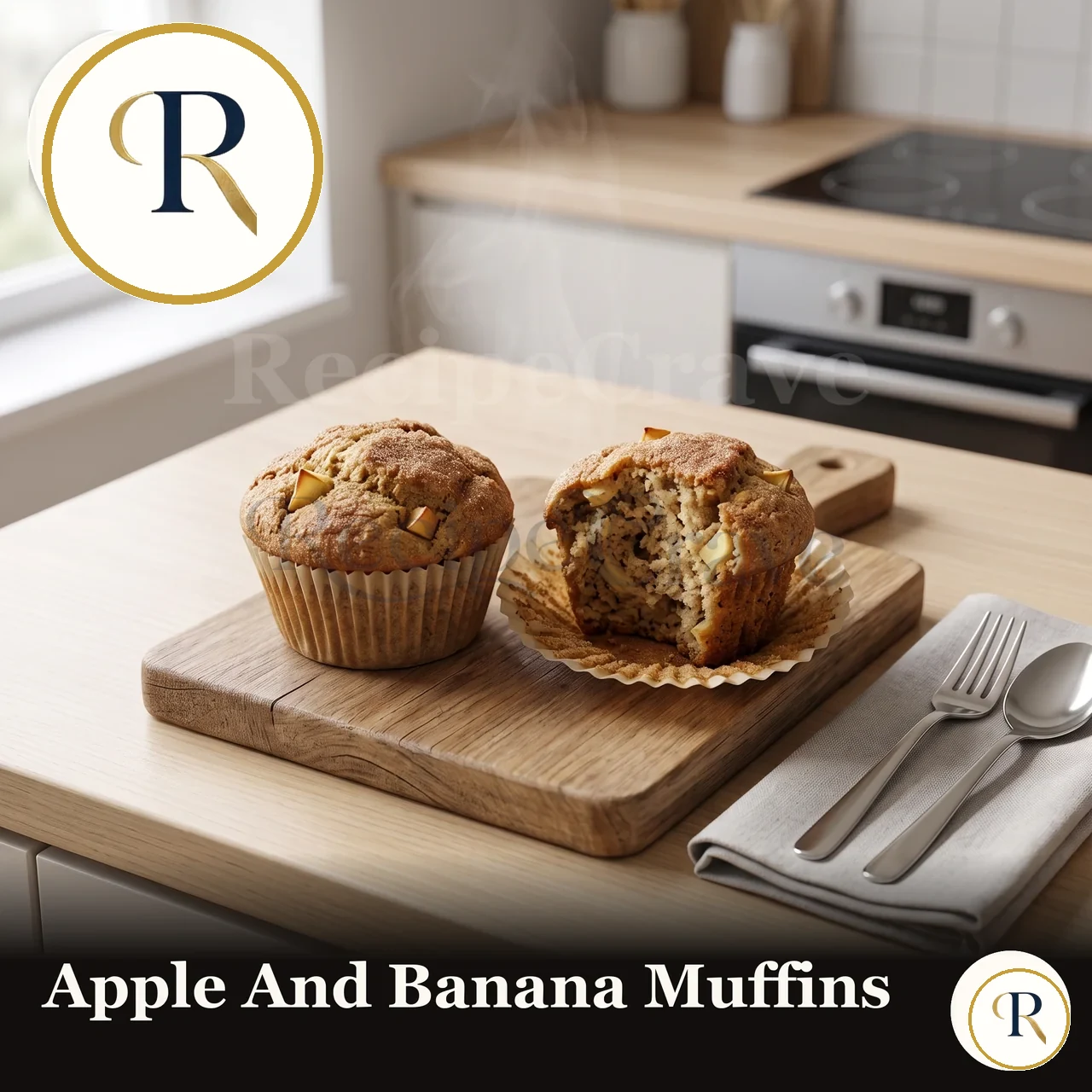
Pro tip: Add mix-ins like chopped walnuts, chocolate chips, or diced apple during the last three or four folds. They get distributed while the batter finishes coming together, so you never stir just for the sake of the extras.
One more sequencing note: mash your bananas separately and completely before they meet anything else. Chasing banana chunks around a half-mixed batter is how overmixing happens.
Oven Truths Nobody Tells Beginners
Your oven is probably lying to you. Most home ovens run 10 to 25 degrees off their dial setting, and many swing well past the target before settling. An oven thermometer, the cheap dial kind that hangs from a rack, tells you the truth for a few dollars.
The rules that actually matter
- Preheat fully. The dial beeping doesn't mean the oven walls are saturated with heat. Give it an extra ten minutes after the beep for even baking.
- Middle rack, always, unless a recipe says otherwise. Too high and the top browns before the center sets; too low and the bottom scorches.
- Don't open the door early. Every peek dumps heat and can deflate a rising loaf. Use the oven light. Resist until at least three-quarters of the bake time has passed.
- Trust the toothpick, not the clock. Bake times are estimates. A skewer poked into the center should come out with a few moist crumbs clinging to it, not wet batter, not bone dry.
Banana bread in a standard loaf pan usually needs 55 to 65 minutes at 350°F, while muffins finish in 18 to 22 minutes at the same temperature or slightly higher. If the top of your loaf is browning too fast while the center stays wet, tent it loosely with foil for the final stretch.
Troubleshooting: Dense, Sunken, and Gummy Bakes
Every baker produces a brick eventually. The difference between beginners and experienced bakers is that experienced bakers can read the brick. Here's your decoder.
Dense and heavy
- Too much flour, almost always from scooping instead of spooning. Weigh next time.
- Expired leavener, baking soda and powder lose power over months. Test soda with vinegar and powder with hot water; both should fizz enthusiastically.
- Overmixing, a tight, rubbery crumb with long vertical tunnels is the signature of too much stirring.
Sunken in the middle
- Underbaked center, the structure never set, so it collapsed as it cooled. Bake longer and trust the toothpick.
- Too much leavener, the loaf rose faster than its structure could support, then fell. Level those teaspoons.
- Door opened too early, the temperature crash deflated the rise at its most fragile moment.
Gummy streak near the bottom
Usually underbaking, occasionally too much banana. Recipes are built around roughly one cup of mashed banana per standard loaf; tipping in a fourth or fifth banana because it was there adds moisture the flour can't absorb. Save spare bananas in the freezer for the next loaf, or find them a home through our What Can I Cook tool.
Pale, flat muffin tops
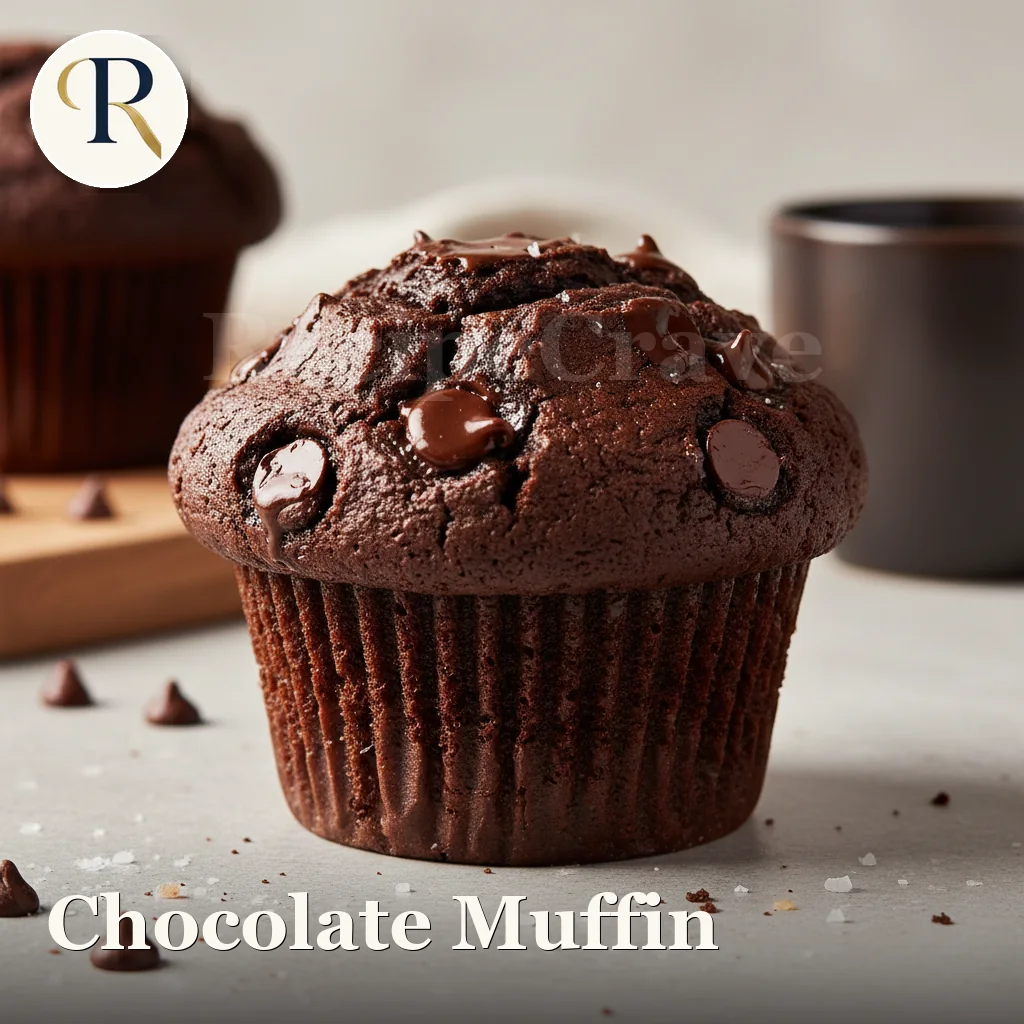
Muffins like a hot start. An oven that never reached temperature, or batter that sat mixed on the counter for twenty minutes while the leavener spent its energy, both produce flat tops. Fill the cups generously, about three-quarters full, and get them into a genuinely preheated oven promptly.
Building From Here
Once you've turned out two or three loaves you're happy with, the same skills scale up naturally. Cornbread, zucchini bread, and lemon loaf all use the identical muffin method. From there, simple butter cakes are a short hop, the mixing changes, but your measuring and oven instincts carry over completely.
Work spices into your rotation too: cinnamon, nutmeg, cardamom, and ginger all flatter banana-based bakes, and our herbs and spices guide covers how to use them without overpowering the fruit. If you want to make baking a weekly habit, slot a bake into your meal planner, a Sunday loaf handles breakfast for half the week.
The quiet joy of quick breads is that they reward attention, not talent. Measure carefully, stir gently, trust the toothpick over the timer, and the loaf takes care of itself.
Frequently Asked Questions
Why is my banana bread dense and heavy?
The usual suspects are too much flour from scooping straight out of the bag, tired baking soda or powder, or overmixing the batter. Spoon and level your flour (or better, weigh it), test your leaveners for fizz, and stop folding the moment the dry streaks disappear.
Can I use bananas that aren't fully ripe?
You can, but the loaf will taste flat and the texture suffers, because underripe bananas hold less sugar and don't mash smoothly. To speed things up, bake unpeeled bananas at 300°F for 15 to 20 minutes until the skins blacken, they'll soften and sweeten enough to use the same day.
What's the difference between baking soda and baking powder?
Baking soda needs an acid in the batter, like ripe banana, yogurt, or buttermilk, to activate. Baking powder contains its own acid and just needs liquid and heat. Many recipes use both. They're not interchangeable one-for-one, so follow the recipe's amounts exactly.
How do I store banana bread and muffins?
Cool completely first, trapping steam makes them soggy. Then keep them in an airtight container at room temperature for two to three days, or wrap tightly and freeze for up to three months. Slices toast beautifully straight from the freezer.
About the author. The RecipeCrave editorial team, cooks and writers sharing practical, tested home-cooking guidance.
Keep reading
A Beginner's Guide to Grilling Fish, Chicken, and Steak
Grilling looks intimidating from the outside, but almost all of it comes down to a few habits: build heat zones, oil a hot grate, flip once, and learn doneness by feel and temperature. Here is the beginner version, step by step.
Fermenting at Home for Beginners: Yogurt, Pickles, and More
Fermenting at home is easier than it looks. Here is how simple fermentation works, two beginner projects to start with, the small kit you need, and the safety signs that tell a good batch from a bad one.
Understanding Cooking Oils: Which One to Use and When
Every oil has a job. Some are built for high heat and a crisp crust, others are best kept raw and drizzled at the end. Here is how to match the oil to the pan, store it well and reuse it without the off flavors.