
Article
How to Reduce Food Waste and Save Money in the Kitchen
Practical ways to waste less food and spend less money, from smarter shopping and better produce storage to using scraps, reading date labels, and building a simple use-it-up habit.
6 min readby The RecipeCrave Kitchen Team
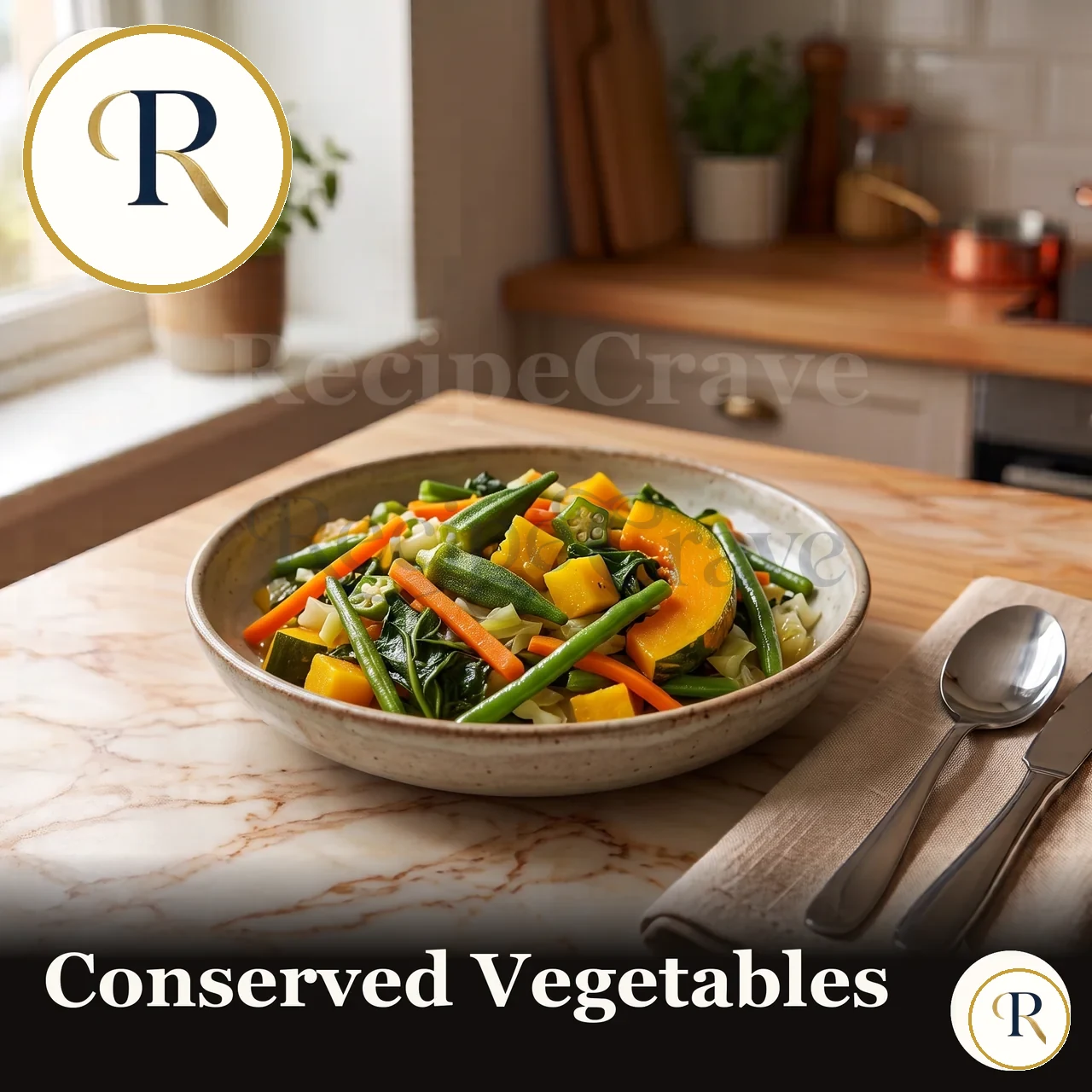
Most of us buy food with good intentions and then watch a fair amount of it go straight into the bin. Wilted greens, a half bag of bread, that tub of yogurt pushed to the back of the fridge. Every item you toss is money you already spent, so cutting waste is one of the most direct ways to lower your grocery bill without eating any less or worse. The good news is that it does not take a big lifestyle change. A handful of small habits, repeated week after week, add up fast.
Here is a plain, practical guide to wasting less and keeping more of your money, broken into the five areas that make the biggest difference: shopping, storage, scraps and leftovers, date labels, and a weekly reset.
Shop with a plan, not a mood
Waste usually starts at the store, long before anything spoils. When you buy on impulse or overstock because something is on sale, a portion of it never gets eaten. The fix is to shop with a rough plan.
- Check before you go. Spend two minutes looking in the fridge, freezer, and cupboards. Note what needs using up and what you actually have, so you do not buy a third jar of the same sauce.
- Plan a few meals, not every meal. Pick three or four dinners for the week and build your list around them. Leave a couple of nights flexible for leftovers or a quick throw-together.
- Write a list and mostly stick to it. A list keeps you from wandering the aisles and grabbing things you will not get around to cooking.
- Be honest about quantity. Big multipacks look cheaper per unit, but only if you finish them. For fresh, quick-spoiling items, buy the amount you will realistically use.
- Do not shop hungry. It sounds like a cliche because it is true. An empty stomach fills the trolley with things that never make it into a meal.
A short, honest list is the single cheapest tool for cutting waste. It costs nothing and it works every single week.
Store produce so it actually lasts
A lot of food gets thrown out simply because it was stored in the wrong spot. Fruits and vegetables have different needs, and a few small changes can add days or even weeks to how long they stay good.
Some quick rules that carry most of the weight:
- Keep ethylene producers apart. Apples, bananas, and tomatoes give off a gas that ripens nearby produce faster. Store them away from leafy greens and other quick spoilers.
- Do not wash until you use. Extra moisture speeds up rot on berries, grapes, and greens. Wash right before eating, not before storing.
- Give greens some air and a little dry. Wrap herbs and leafy greens loosely in a clean towel to soak up moisture, then keep them in a container or loose bag in the fridge.
- Some things belong on the counter. Tomatoes, potatoes, onions, and garlic keep better at room temperature in a cool, dark, dry spot, not in the cold.
- Freeze before it turns. If you can see something is about to go, freeze it. Bananas, berries, bread, grated cheese, and cooked rice all freeze well and give you a head start on future meals.
Preserving is the older cousin of freezing, and it is worth a look if your garden or market haul outpaces what you can eat. A quick pickle, a simple jam, or a batch of roasted and jarred vegetables turns a glut into something you enjoy for months instead of a pile you feel guilty about.

Put scraps and leftovers to work
The parts we normally throw away often hold real flavor and value. Once you start seeing scraps as ingredients, your bin gets lighter and your cooking gets more interesting.
- Keep a stock bag in the freezer. Onion ends, carrot peels, celery tops, herb stems, and chicken bones all go in. When the bag is full, simmer it into a homemade stock that beats anything from a box.
- Use stalks and leaves. Broccoli stems, chard stalks, and beet greens are all edible and tasty. Chop and roast them, or add them to stir-fries and soups.
- Rescue soft vegetables. Vegetables that are too soft to eat raw are ideal cooked. Blend them into soups, fold them into a frittata, or roast them into a tray bake.
- Refresh stale bread. Turn it into croutons, breadcrumbs, or a bread pudding. A quick warm-up in the oven brings a lot of loaves back from the edge.
- Plan a leftovers night. Set aside one evening to clear the fridge. It saves cooking and makes sure nothing hides until it spoils.
Leftovers get a better reputation once you treat them as the start of a new dish rather than yesterday's meal reheated. Yesterday's roast becomes today's sandwich or fried rice. A little imagination turns odds and ends into something you look forward to.

Read date labels for what they really mean
A huge amount of good food gets binned over a misread label. The dates on packaging are not all the same, and knowing the difference keeps safe food out of the trash.
- Best before is about quality, not safety. After this date, food may lose a little texture or flavor, but it is usually still fine to eat. Trust your eyes and nose.
- Use by is about safety. This one matters for perishable items like fresh meat and fish. Do not eat these past the use-by date, and freeze them earlier if you will not get to them in time.
- Sell by is for the store. It tells shops how long to display an item. You often have several good days at home after it.
When a date has passed on a non-risky food, do a quick check. Look at it, smell it, and if it seems fine, it very likely is. Your senses are a reliable guide for most everyday items, and they save a lot of perfectly good food.
Build a weekly use-it-up habit
The habit that ties everything together is a short weekly reset. Pick one day, maybe the night before your big shop, and make it your use-it-up moment.
- Scan the fridge. Pull anything that is on its last legs to the front so you actually see it.
- Cook a clear-out meal. Soups, stir-fries, frittatas, curries, and grain bowls are perfect for using up odd bits of vegetables, protein, and grains.
- Freeze the rest. Anything you cannot use that night goes into the freezer before it turns.
- Take notes. If you keep tossing the same item, buy less of it next time. A few weeks of paying attention reshapes your whole shopping pattern.
Do this once a week and it becomes second nature. You spend less because you buy closer to what you need, and you throw away far less because nothing sits forgotten until it spoils.
Small habits, real savings
Cutting food waste is not about strict rules or going without. It is a set of easy habits: shop with a plan, store produce properly, cook with scraps and leftovers, read date labels correctly, and run a weekly clear-out. None of these take much effort on their own, and together they can meaningfully lower your grocery spend while getting more out of the food you already buy. Start with one this week, and let the savings build from there.
About the author. The RecipeCrave editorial team, cooks and writers sharing practical, tested home-cooking guidance.
Keep reading
A Beginner's Guide to Grilling Fish, Chicken, and Steak
Grilling looks intimidating from the outside, but almost all of it comes down to a few habits: build heat zones, oil a hot grate, flip once, and learn doneness by feel and temperature. Here is the beginner version, step by step.
Fermenting at Home for Beginners: Yogurt, Pickles, and More
Fermenting at home is easier than it looks. Here is how simple fermentation works, two beginner projects to start with, the small kit you need, and the safety signs that tell a good batch from a bad one.
Understanding Cooking Oils: Which One to Use and When
Every oil has a job. Some are built for high heat and a crisp crust, others are best kept raw and drizzled at the end. Here is how to match the oil to the pan, store it well and reuse it without the off flavors.