
Article
One-Pot Dinners: The Busy Cook's Secret to Fast, Satisfying Weeknight Meals
Master one-pot dinners with real cooking technique: layering, timing, the fond, and pot choices. Global styles plus quick recipes for busy weeknights.
6 min readby The RecipeCrave Kitchen Team
There is a particular kind of tired that hits around six in the evening, when dinner still needs to happen and the last thing you want is a sink full of pots. This is exactly the problem one-pot cooking was built to solve. One pot, one heat source, one round of washing up, and a meal that tastes like you fussed far more than you did.
The magic is not just convenience. When everything cooks together, the flavors have nowhere to go but into each other. Rice soaks up the stock, onions melt into the sauce, and the browned bits at the bottom of the pan become the backbone of the whole dish. Here is how to make that happen on purpose, night after night.
Why One-Pot Cooking Works for Busy Nights
One-pot meals win on more than dish count, though fewer dishes is a genuine gift after a long day. The real advantage is that a single vessel becomes a flavor factory. Ingredients cooked separately stay separate; ingredients cooked together trade flavor.
- Less cleanup. One pot, maybe a cutting board and knife. That is the whole battlefield.
- Built-in flavor. Nothing gets rinsed down the drain. Every drop of released juice stays in the dish.
- Forgiving timing. Most one-pot dishes simmer unattended, so you can step away to help with homework or set the table.
- Naturally balanced. Protein, vegetables, and a starch or grain often go in the same pot, so dinner is complete without side dishes.
If you are trying to cook more at home without burning out, one-pot meals are the lowest-friction place to start. Browse our full recipe collection and you will notice how many of the most-loved dishes happen in a single pan.
The Method: Layering, Timing, and the Fond
A great one-pot dinner is not thrown together all at once. It is built in stages, and understanding those stages is what separates a muddy stew from a memorable one. Three principles do most of the work.
Layering means adding ingredients in the order that respects how long each needs to cook. Aromatics like onion, garlic, and ginger go early to build a flavor base. Hardy vegetables such as carrots and potatoes need time, so they follow. Delicate greens and fresh herbs go in near the end so they stay bright.
Timing is the companion to layering. You are constantly asking one question: what needs the longest, and what would overcook if it went in now? Stagger accordingly and everything finishes together.
The fond is the treasure most beginners rinse away. When you brown meat or vegetables, sticky browned bits cling to the bottom of the pot. That is fond, and it is pure concentrated flavor. When you add liquid and scrape those bits loose, you are deglazing, and you have just seasoned the entire dish for free.
Never wash away the brown bits at the bottom of the pot before you deglaze. That fond is the single biggest flavor upgrade in one-pot cooking, and it costs you nothing but a wooden spoon and thirty seconds of scraping.
Choosing the Right Pot
You do not need a cabinet of specialty cookware. You need one or two workhorses that hold heat well and are wide enough to brown without steaming. Crowding a pan traps moisture, and moisture is the enemy of browning.
- Dutch oven. The champion of one-pot cooking. Heavy, even heat makes it ideal for stews, braises, rice dishes, and anything that browns first and simmers after.
- Large deep skillet or saute pan. Best for skillet pastas and quick-cooking dishes where you want a wide surface and fast evaporation.
- Heavy-bottomed pot or braiser. A solid middle ground for soups and grain dishes when you do not own a Dutch oven.
Whatever you use, weight matters more than brand. A thin pan develops hot spots and scorches; a heavy base spreads heat evenly and gives you a forgiving margin.
Global One-Pot Styles Worth Knowing
Nearly every cuisine has its own answer to the single-pot dinner. Getting familiar with a few styles gives you a template you can improvise around for the rest of your cooking life.
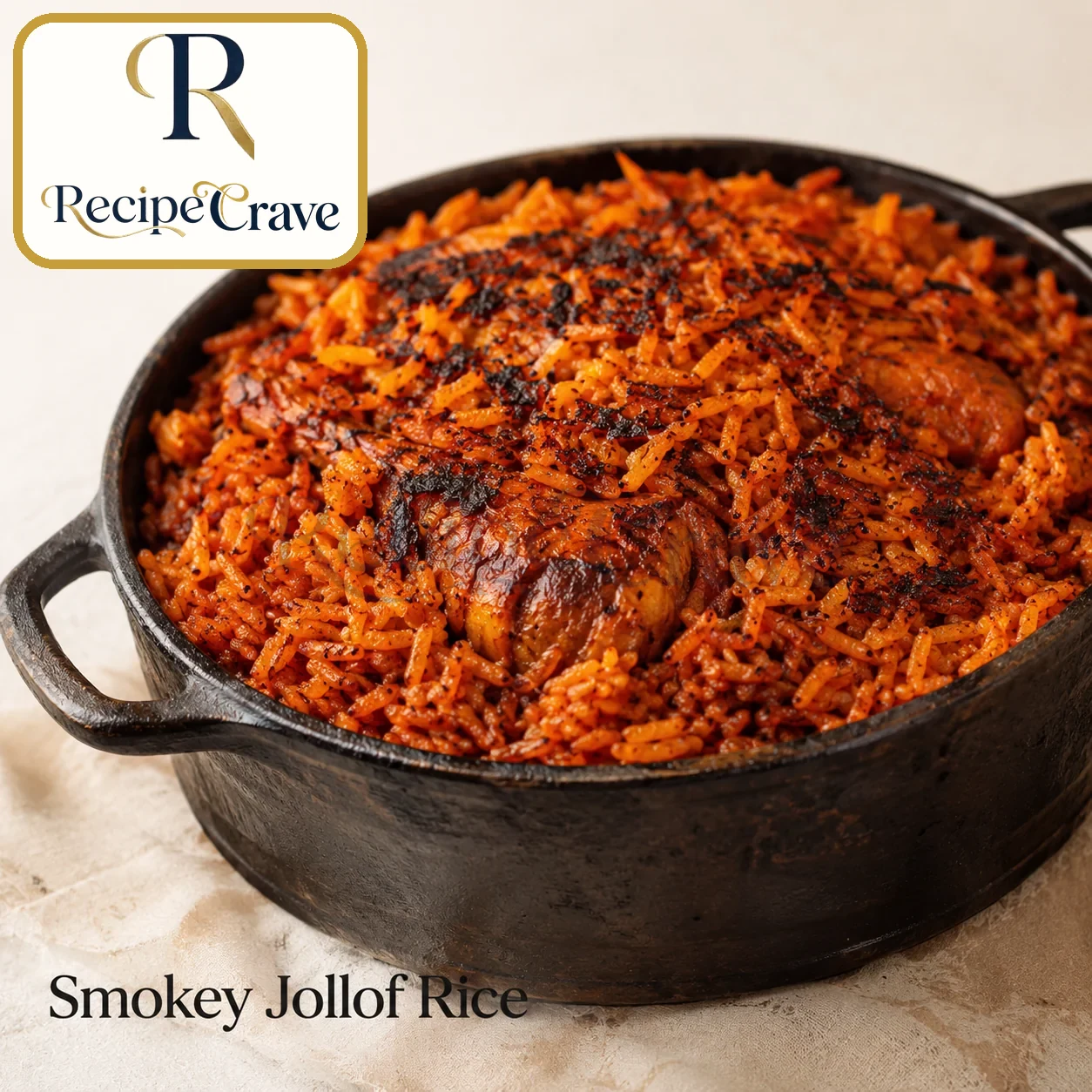
- Rice dishes. Think pilafs, biryanis, and West African jollof, where rice cooks directly in seasoned stock and absorbs every bit of flavor. Our smokey jollof rice is a perfect example of rice, tomato, and spice becoming a full meal in one pot.
- Stews and braises. Tougher cuts of meat simmer low and slow until tender, building deep flavor over time. A classic curry goat shows how patience and a single pot turn a humble cut into something special.
- Skillet pastas. Pasta cooks right in the sauce instead of a separate pot of water. The starch it releases thickens everything into a glossy, clingy sauce, and you skip the colander entirely.
- Brothy soups and one-pot noodles. Everything simmers in a well-seasoned liquid, from chunky vegetable soups to quick noodle bowls that come together in twenty minutes.
Not sure which direction to go tonight? Tell us what is in your fridge and let our what-can-I-cook tool point you toward a dish that fits.
Timing and Layering in Practice
Here is the sequence most one-pot dinners follow, whether you are making a stew, a rice dish, or a skillet pasta. Once you internalize this rhythm, you can cook almost anything without a recipe.
- Sear or brown first. Get color on your protein and set it aside if needed. This builds fond.
- Sweat the aromatics. Cook onions, garlic, and spices in the rendered fat until soft and fragrant.
- Deglaze. Add a splash of stock, wine, or water and scrape up the fond.
- Add the long-cooking ingredients. Grains, root vegetables, tougher meat, and the bulk of your liquid go in now.
- Simmer. Let it cook down, checking seasoning as you go.
- Finish with the delicate additions. Greens, fresh herbs, a squeeze of citrus, or a knob of butter go in at the very end.
The most common mistake is rushing the simmer. Give the pot time to develop, taste as you go, and adjust salt near the end rather than the start, since flavors concentrate as liquid reduces.
Make One-Pot Cooking a Weeknight Habit
The cooks who eat well on busy nights are not more talented. They are more prepared. A little structure turns one-pot dinners from an occasional win into a reliable default.
- Keep a stocked base. Onions, garlic, canned tomatoes, stock, rice, pasta, and a few spices cover a huge range of one-pot meals.
- Prep once, cook twice. Chop extra onions or brown extra meat and refrigerate the surplus for a second dinner later in the week.
- Plan a rotation. Pick three or four one-pot dishes you love and cycle them so weeknight cooking stops being a daily decision.
- Cook big. Most one-pot meals reheat beautifully and often taste better the next day, so make extra on purpose.
Building a simple rotation is easier when you can see the week at a glance. Our meal planner helps you slot a few one-pot dinners into the nights you know will be hectic, so the decision is already made before you walk in the door.
Frequently Asked Questions
What makes a meal a true one-pot dinner?
A one-pot dinner is any complete meal cooked from start to finish in a single vessel, usually combining a protein, vegetables, and a starch or grain. The defining feature is that everything cooks together, sharing and building flavor, with only one pot to clean at the end.
Can I make one-pot meals without a Dutch oven?
Absolutely. A large deep skillet, a heavy-bottomed pot, or any sturdy pan with a lid will handle most one-pot recipes. The main thing to look for is a heavy base that spreads heat evenly and enough width to brown ingredients without crowding them.
Why does my one-pot dish turn out bland?
Blandness usually traces back to skipped browning or under-seasoning. Take the time to develop fond by browning your protein and aromatics, deglaze to capture that flavor, and taste for salt near the end of cooking rather than only at the start.
How do I keep vegetables from turning to mush?
Add vegetables according to how long they need to cook. Hardy roots like carrots and potatoes go in early, while quick-cooking vegetables and leafy greens go in during the last few minutes. Staggering them this way keeps everything at the right texture when the dish is done.
About the author. The RecipeCrave editorial team, cooks and writers sharing practical, tested home-cooking guidance.
Keep reading
A Beginner's Guide to Grilling Fish, Chicken, and Steak
Grilling looks intimidating from the outside, but almost all of it comes down to a few habits: build heat zones, oil a hot grate, flip once, and learn doneness by feel and temperature. Here is the beginner version, step by step.
Fermenting at Home for Beginners: Yogurt, Pickles, and More
Fermenting at home is easier than it looks. Here is how simple fermentation works, two beginner projects to start with, the small kit you need, and the safety signs that tell a good batch from a bad one.
Understanding Cooking Oils: Which One to Use and When
Every oil has a job. Some are built for high heat and a crisp crust, others are best kept raw and drizzled at the end. Here is how to match the oil to the pan, store it well and reuse it without the off flavors.