
Article
How to Host a Dinner Party Without the Stress
A calm, practical plan for hosting a dinner party you actually enjoy: a make-ahead menu, one showpiece dish, easy sides, drinks, and a simple timeline for the night.
5 min readby The RecipeCrave Kitchen Team
Most people picture a dinner party as a frantic evening of pans, timers, and a host who never sits down. It does not have to go that way. The hosts who look relaxed are not better cooks. They just plan the kind of menu that does most of its work before anyone rings the bell.
Here is a simple approach you can use for four guests or ten. The goal is one memorable meal and a host who gets to enjoy it.
Plan a menu you can mostly make ahead
Start by working backwards from the night. Ask one question of every dish you consider: how much of this can I finish hours early? A good dinner party menu is roughly three parts prep-ahead and one part last-minute. If a recipe needs constant attention right as guests arrive, it fights you for the exact time you want to be pouring drinks and saying hello.
Keep the shape classic and easy to follow: a starter, a main with two sides, and a dessert. Resist the urge to cook five things. Three courses done well beat five courses done in a panic. Write the menu on a single sheet of paper, then note next to each item when it gets made. Anything you can label "day before" is a small gift to yourself.
Balance the plates too. If the main is rich, keep the starter light and fresh. If dessert is heavy, serve smaller portions. Guests remember how they felt at the end of the night, and nobody feels good after three back-to-back heavy courses.
Let one showpiece dish do the heavy lifting
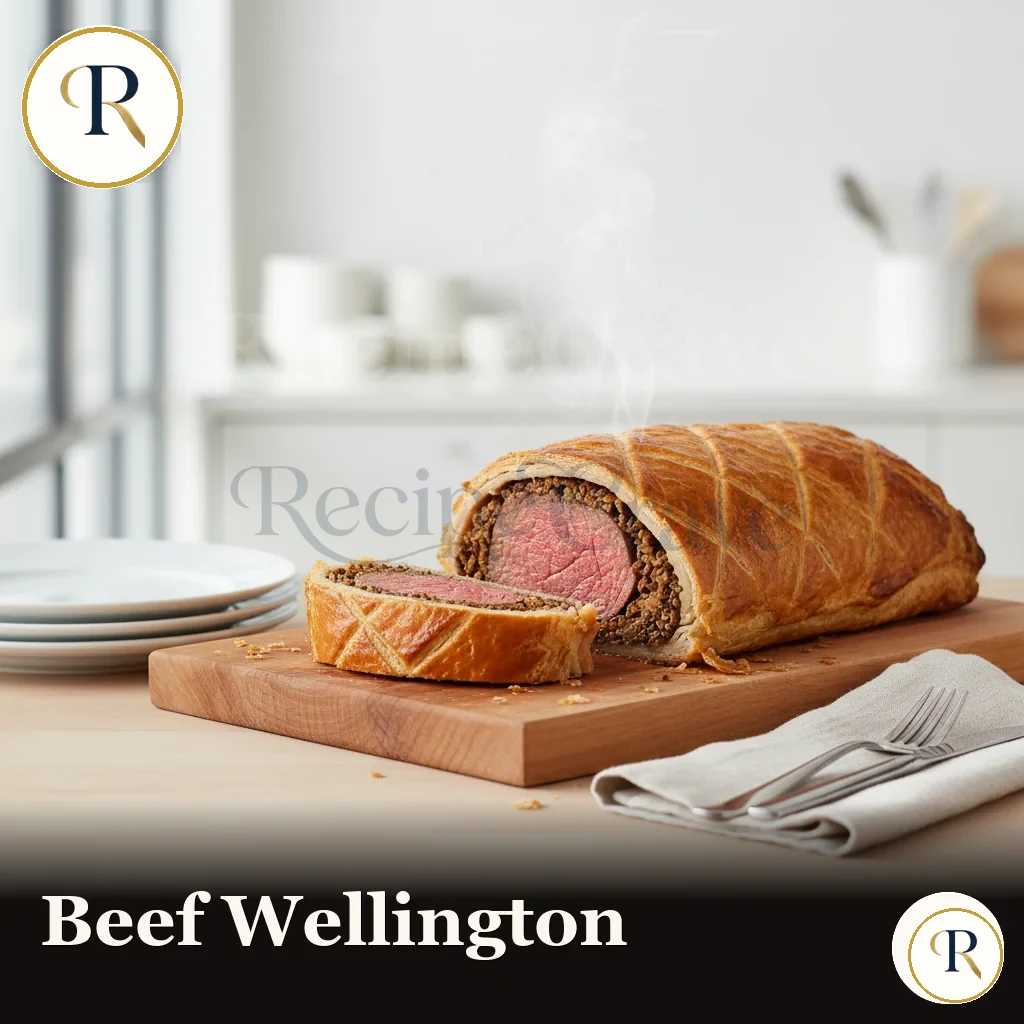
Every good dinner party has one dish that people talk about. Pick a single showpiece and let everything else stay simple around it. A beef Wellington is a perfect example. It looks impressive when you slice into it at the table, yet most of the work happens in advance. You can sear the beef, make the mushroom layer, and wrap the whole thing in pastry earlier in the day, then rest it in the fridge and slide it into the oven while guests settle in.
The trick is to choose a showpiece that finishes in the oven rather than one that needs you standing over a hot pan flipping and basting. Roasts, braises, a whole baked fish, or a wrapped pastry main all give you that grand moment without the last-minute juggling. One dish carries the drama. The rest of the meal just needs to be tasty and reliable.
Build a starter you can plate in minutes
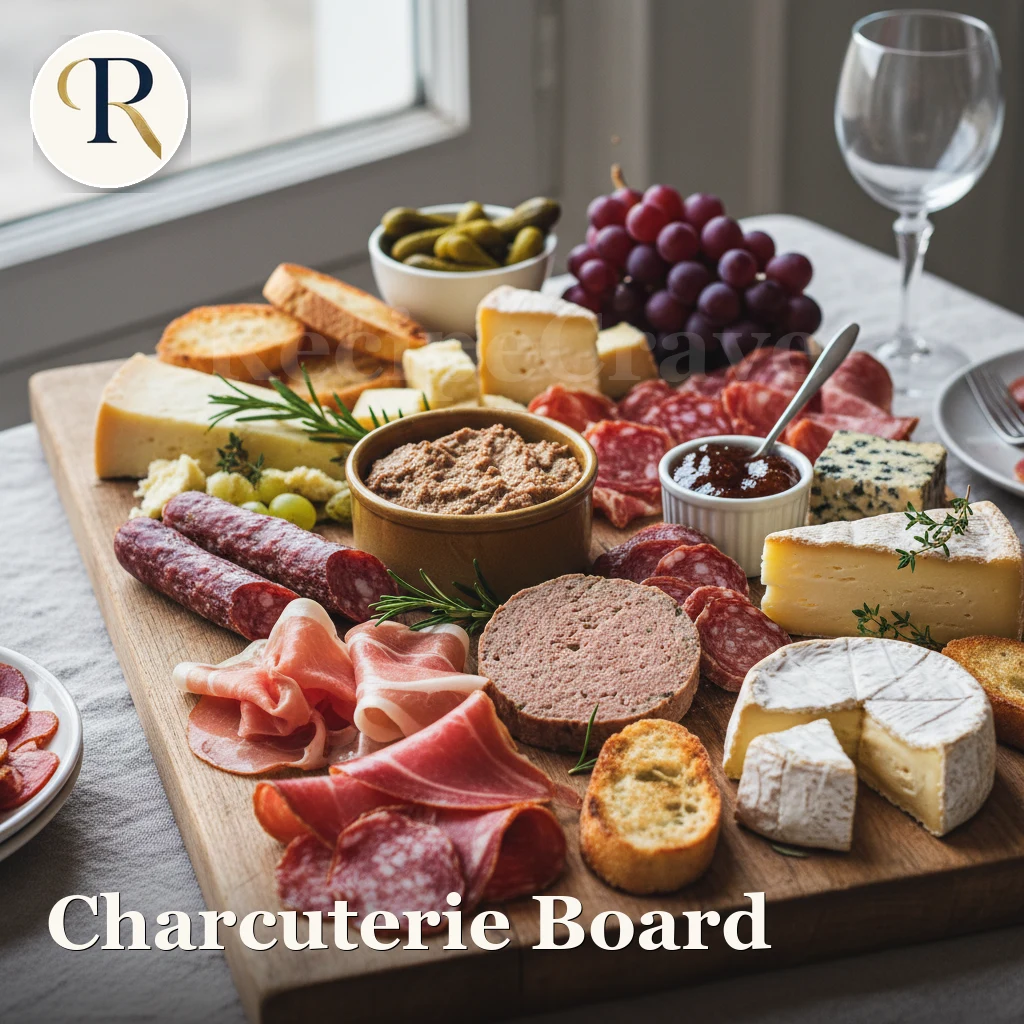
The start of the evening is when you are most likely to feel behind, so make the first course the easiest thing on the table. A charcuterie board is hard to beat here. There is no cooking at all. You arrange cured meats, a couple of cheeses, olives, nuts, some fruit, and good bread, and you are done. It can sit on the table looking generous while people arrive and pour a drink.
If you want something warm to open the meal, a soup is your friend because it reheats beautifully. A classic French onion soup can be made a day ahead and gently warmed on the stove while your showpiece rests. Ladle it into bowls, top with bread and cheese, and give it a few minutes under the grill. It feels like real effort, but the hard part was done yesterday.

Keep the sides easy and forgiving
Sides are where hosts overreach. You do not need three of them. Two good sides that hold well are plenty. Roasted vegetables are ideal because they can wait in a warm oven and taste fine if they sit for ten extra minutes. A green salad is the other easy win: wash the leaves early, make the dressing in a jar, and toss it only when you are ready to serve so it stays crisp.
Avoid sides that demand split-second timing, like anything you have to whisk or fold at the last second. Mashed potatoes, roasted roots, a grain salad, or a tray of seasonal vegetables all forgive a loose schedule. That forgiveness is worth more than one extra fancy dish.
Sort the drinks before anyone arrives
Drinks cause more low-level stress than they should, because guests want one the moment they walk in. Solve it early. Chill white wine, sparkling, and any soft drinks in the afternoon so they are ready. Pick one simple welcome drink, whether that is a glass of fizz or a single easy cocktail you can pour without measuring, and offer a good non-alcoholic option too.
Set up a small drinks corner with glasses, ice, and a jug of water so people can help themselves. The moment guests can pour their own second drink, you are free. You are the host, not the bartender.
Set the table early and simply
Lay the table in the afternoon while the kitchen is calm. Once it is done, that whole job leaves your mind. You do not need anything formal. Clean plates, matching-enough glasses, napkins, and a couple of candles will make any table feel considered. Low candles or small flowers look warm without blocking the view across the table, which matters because people came to talk to each other.
Think about the flow as well as the look. Put serving spoons out, decide where the big showpiece will land, and clear a space for it. Small choices like these mean you are not hunting for a trivet with a hot tray in your hands.
Stay calm on the night with a simple timeline
Write yourself a rough running order and stick it on the fridge. It does not need to be precise to the minute. Something like: showpiece into the oven at a set time, soup warming twenty minutes before you serve, salad tossed just before you sit down. Having it on paper means you stop holding the whole evening in your head, which is where the stress lives.
Give yourself a buffer. Aim to have the big cooking done a little before guests are due, so a slow oven or a late arrival does not throw you. Tidy the kitchen as you go and stack, rather than wash, during the meal. The washing up can wait. Your guests cannot.
Most of all, remember that people did not come for a flawless meal. They came for your company. A slightly overcooked side or a dessert that leans a bit is not what anyone will remember. They will remember a host who was relaxed, poured them a drink, and sat down at the table with them. Plan the food so you can be that host, and the evening takes care of itself.
About the author. The RecipeCrave editorial team, cooks and writers sharing practical, tested home-cooking guidance.
Keep reading
A Beginner's Guide to Grilling Fish, Chicken, and Steak
Grilling looks intimidating from the outside, but almost all of it comes down to a few habits: build heat zones, oil a hot grate, flip once, and learn doneness by feel and temperature. Here is the beginner version, step by step.
Fermenting at Home for Beginners: Yogurt, Pickles, and More
Fermenting at home is easier than it looks. Here is how simple fermentation works, two beginner projects to start with, the small kit you need, and the safety signs that tell a good batch from a bad one.
Understanding Cooking Oils: Which One to Use and When
Every oil has a job. Some are built for high heat and a crisp crust, others are best kept raw and drizzled at the end. Here is how to match the oil to the pan, store it well and reuse it without the off flavors.