
Article
How to Cook Perfect Pasta (and Fix the Common Mistakes)
Cook pasta that tastes like a restaurant plate every time: how much water to use, how to salt it, when to stir, how to nail al dente, and why you should save the pasta water and finish the sauce in the pan.
5 min readby The RecipeCrave Kitchen Team
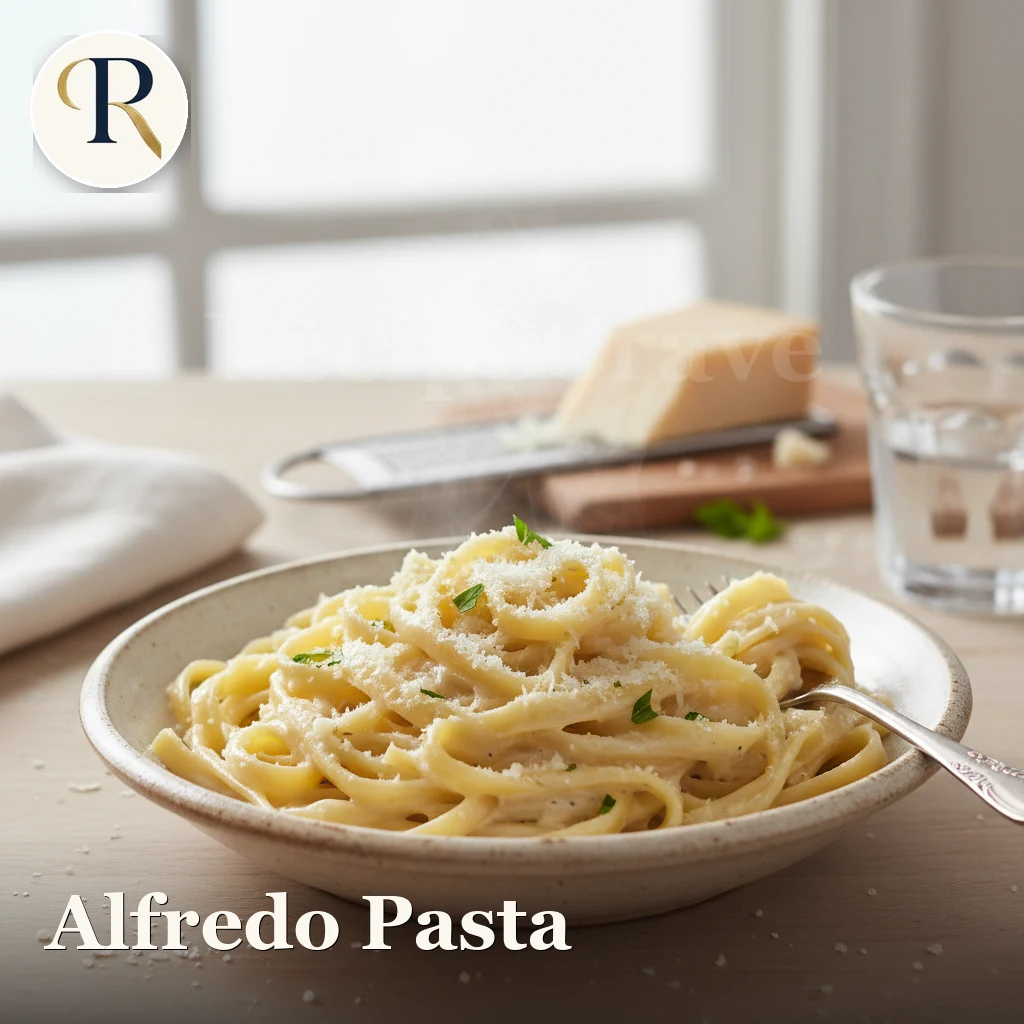
Pasta looks like the easiest thing in the world to cook, which is exactly why so many people get an average result. The box gives you a time, you drain it, you spoon sauce on top, and it is fine. Fine is not what you want. The gap between fine pasta and the kind you get in a good Italian kitchen is not a secret ingredient. It is a short list of habits, and every one of them is easy to fix.
Here is how to cook pasta properly from the first pot of water to the plate, along with the common mistakes that quietly hold most home cooks back.
Start with plenty of water
Pasta needs room. As it cooks it releases starch, and if the water is crowded that starch builds up and the strands turn gluey and stick together. Give each portion space to move. A rough guide is about four to five litres of water for every 400 to 500 grams of pasta, in a large pot rather than a small saucepan.
Bring it to a full, rolling boil before the pasta goes in. Dropping pasta into water that is only simmering makes the outside soften while the middle stays hard, and it clumps in the first minute. A strong boil keeps everything moving and cooks the pasta evenly. Put the lid on while it heats to get there faster, then take it off once the pasta is in.
Salt the water like you mean it
This is the single change that improves most people's pasta overnight. The water should taste properly of salt, close to the sea. That sounds like a lot, and it is more than most home cooks use, but the pasta only holds on to a small part of it. Unsalted water gives you bland pasta that no amount of sauce can rescue, because the seasoning never gets inside the strands.
Add the salt once the water is boiling and stir it to dissolve, then taste. It should be pleasantly salty, not painful. As a starting point, use roughly one tablespoon of salt for every four to five litres of water and adjust to your taste over time. Season the water and you season the pasta from the inside, which is something you can never fully do later.
Stir in the first couple of minutes
The moment pasta hits the water is when it is most likely to stick, because the surface starch is at its stickiest before it cooks off. Give it a good stir as soon as it goes in, and again a couple of times over the first two or three minutes. That is all it takes to keep the strands separate.
You do not need oil in the water to stop sticking, and there is a good reason to leave it out, which we will come back to. Stirring does the job on its own. Once the pasta is past those first few minutes and moving freely in the boil, you can leave it to cook with just the odd stir.
Cook to al dente and taste as you go
Al dente means to the tooth. The pasta should be tender but still have a slight firmness in the centre when you bite it, not soft all the way through. This is not just about texture. Pasta with a little bite holds its shape on the plate and stands up to the sauce instead of collapsing into it.
Treat the time on the box as a hint, not a rule. Start tasting a minute or two before that time is up, and keep tasting every thirty seconds until it is right. Every stove and every shape behaves a little differently, and your own mouth is a better guide than any timer. Pull the pasta while it still has that gentle resistance, because it keeps cooking for a moment after it leaves the water.
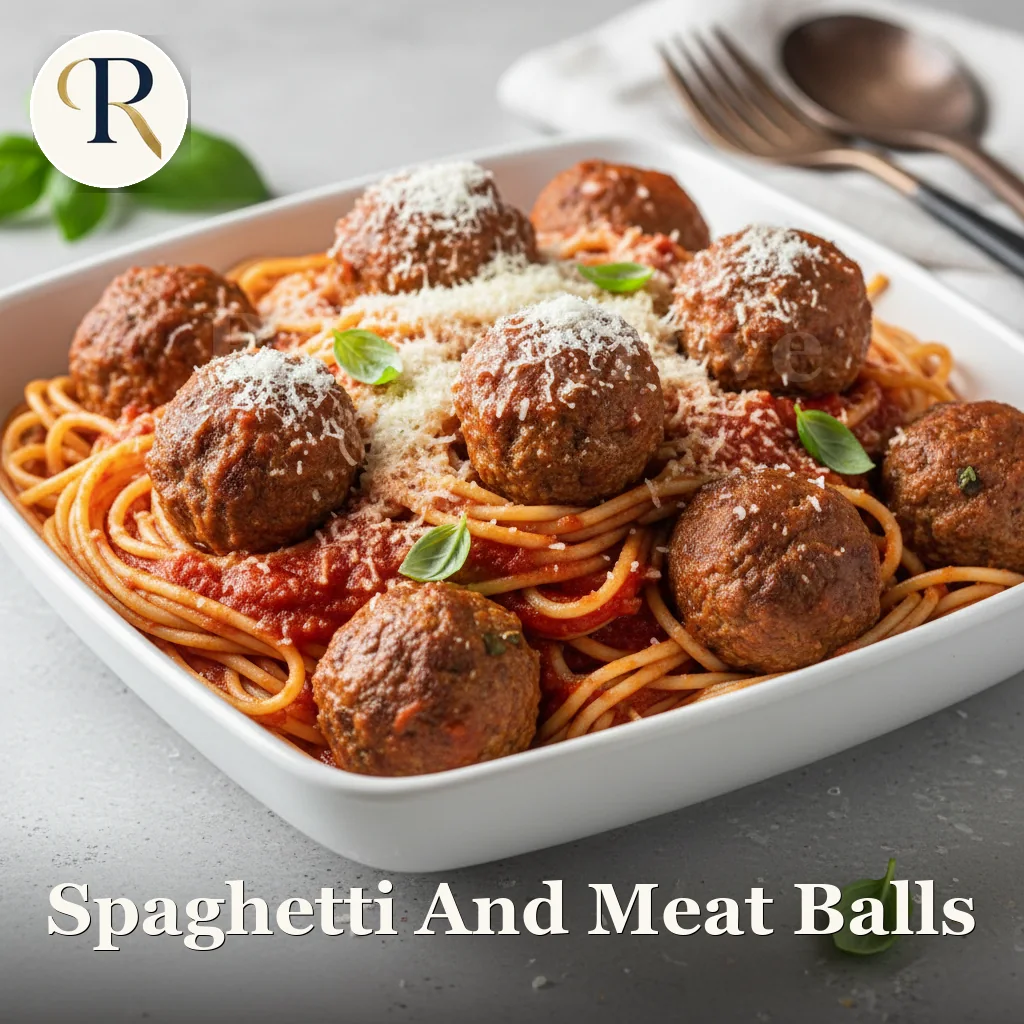
Save a cup of pasta water before you drain
This is the trick that separates people who cook pasta from people who really cook pasta, and it costs nothing. Before you tip the pot into the colander, scoop out a mug of the starchy cooking water and set it aside. That cloudy water is full of dissolved starch, and it is the best tool you have for bringing a sauce together.
A splash of pasta water loosens a thick sauce, helps it cling to the strands, and gives it a silky, glossy finish that plain water or oil cannot. Keep the mug next to the pan and add the water a little at a time. It is far easier to loosen a sauce than to fix one that has gone too thin, so go slowly.
Finish the sauce in the pan, not on the plate
Here is the habit that changes everything. Instead of draining the pasta and ladling sauce over it, drain it slightly early and move it straight into the pan with the sauce, then let the two cook together for a minute or two. Add a splash of your saved pasta water and toss it all over the heat.
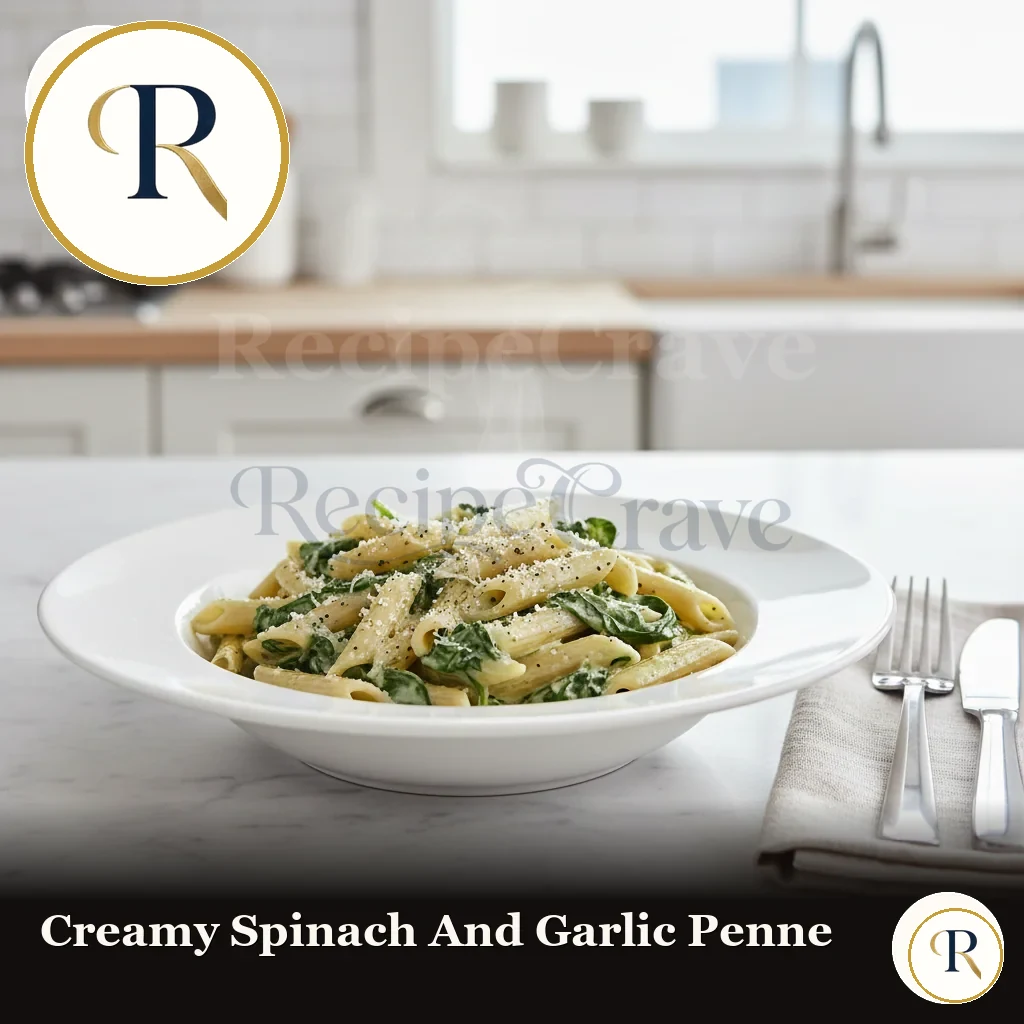
In those last minutes the pasta soaks up the flavour of the sauce, and the starch in the water helps the sauce coat every strand instead of sliding off into a puddle at the bottom of the bowl. This is why a simple sauce at a good restaurant tastes so complete. The pasta and the sauce become one dish in the pan rather than two things sitting next to each other. A creamy sauce especially benefits from this, clinging to each piece the way it should.
Skip the rinse and skip the oil
Two well-meant habits quietly ruin good pasta. The first is rinsing it under the tap after draining. That washes away the surface starch you need, the very thing that helps the sauce grip. Rinsed pasta turns slippery and cold, and the sauce just slides off. The only time a rinse makes sense is for a cold pasta salad, where you want the pieces separate and chilled.
The second is adding oil to the cooking water to stop sticking. It does not really stop sticking, and worse, it coats the cooked pasta in a slick film that stops the sauce from grabbing hold. Leave the oil out. Use enough water, salt it well, and stir early, and your pasta will not stick without any help. Save the good olive oil for the sauce, where it belongs.
None of this asks for more skill or more time. It asks for a bigger pot, a heavier hand with the salt, a taste test instead of a timer, a mug of water set aside, and one extra minute in the pan. Get those in the right order and even a plain plate of pasta with garlic and oil will taste like you know exactly what you are doing, because you will.
About the author. The RecipeCrave editorial team, cooks and writers sharing practical, tested home-cooking guidance.
Keep reading
A Beginner's Guide to Grilling Fish, Chicken, and Steak
Grilling looks intimidating from the outside, but almost all of it comes down to a few habits: build heat zones, oil a hot grate, flip once, and learn doneness by feel and temperature. Here is the beginner version, step by step.
Fermenting at Home for Beginners: Yogurt, Pickles, and More
Fermenting at home is easier than it looks. Here is how simple fermentation works, two beginner projects to start with, the small kit you need, and the safety signs that tell a good batch from a bad one.
Understanding Cooking Oils: Which One to Use and When
Every oil has a job. Some are built for high heat and a crisp crust, others are best kept raw and drizzled at the end. Here is how to match the oil to the pan, store it well and reuse it without the off flavors.