
Article
Gluten-Free Cooking: A Practical Starter Guide
A practical starter guide to gluten-free cooking: the foods that are naturally gluten free, the hidden sources worth checking, simple swaps, flours that behave well, and how to keep your kitchen free of cross-contamination.
7 min readby The RecipeCrave Kitchen Team
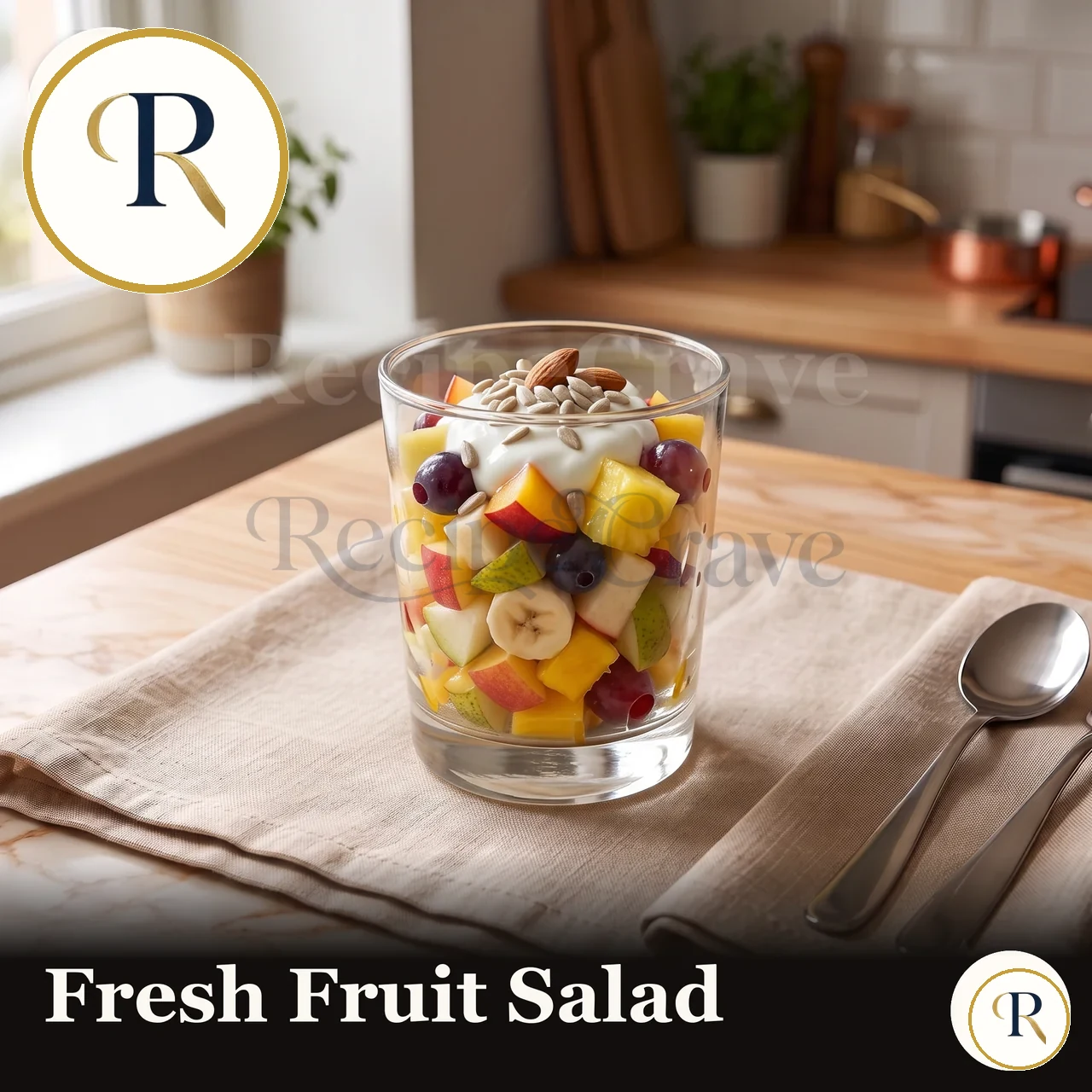
Cooking without gluten sounds like a big project until you look at what is already on your shelves. A lot of everyday food contains no gluten at all, and once you can spot the places it tends to hide, the day-to-day gets much simpler. This is a calm, practical starting point: what gluten is in plain terms, the foods that already qualify, the sneaky sources worth checking, a handful of swaps, the flours that behave well, and how to keep a shared kitchen from tripping you up.
What gluten actually is
Gluten is a group of proteins found in wheat, barley, and rye. It is what gives bread its stretch and chew, and it turns up in far more products than bread alone because wheat is cheap, useful, and everywhere. Some people avoid it out of medical need, such as celiac disease, and others because they simply feel better without it. Whatever the reason, the cooking part is the same skill: knowing where gluten lives so you can choose around it with confidence. If your reason is a diagnosed condition, treat the medical guidance you have been given as the anchor, and let this article help with the kitchen side.
Foods that are already gluten free
Here is the reassuring part. Whole, single-ingredient foods are very often gluten free just as they are:
- Vegetables and fruit, fresh or frozen, in every color.
- Plain meat, poultry, fish, and eggs, before any coating or marinade is added.
- Beans, lentils, and other pulses, which are filling and inexpensive.
- Plain dairy such as milk, most cheese, and plain yogurt.
- Naturally gluten-free grains and seeds including rice, corn, quinoa, buckwheat (despite the name, it is not wheat), millet, and oats that are labeled gluten free.
- Nuts and seeds, plain and unseasoned.
- Potatoes and sweet potatoes, which are some of the friendliest staples you can keep on hand.
Build most of your meals from this list and you have done the hardest part already. A bowl of lentils with roasted vegetables, or grilled fish with rice and greens, needs no special products at all.
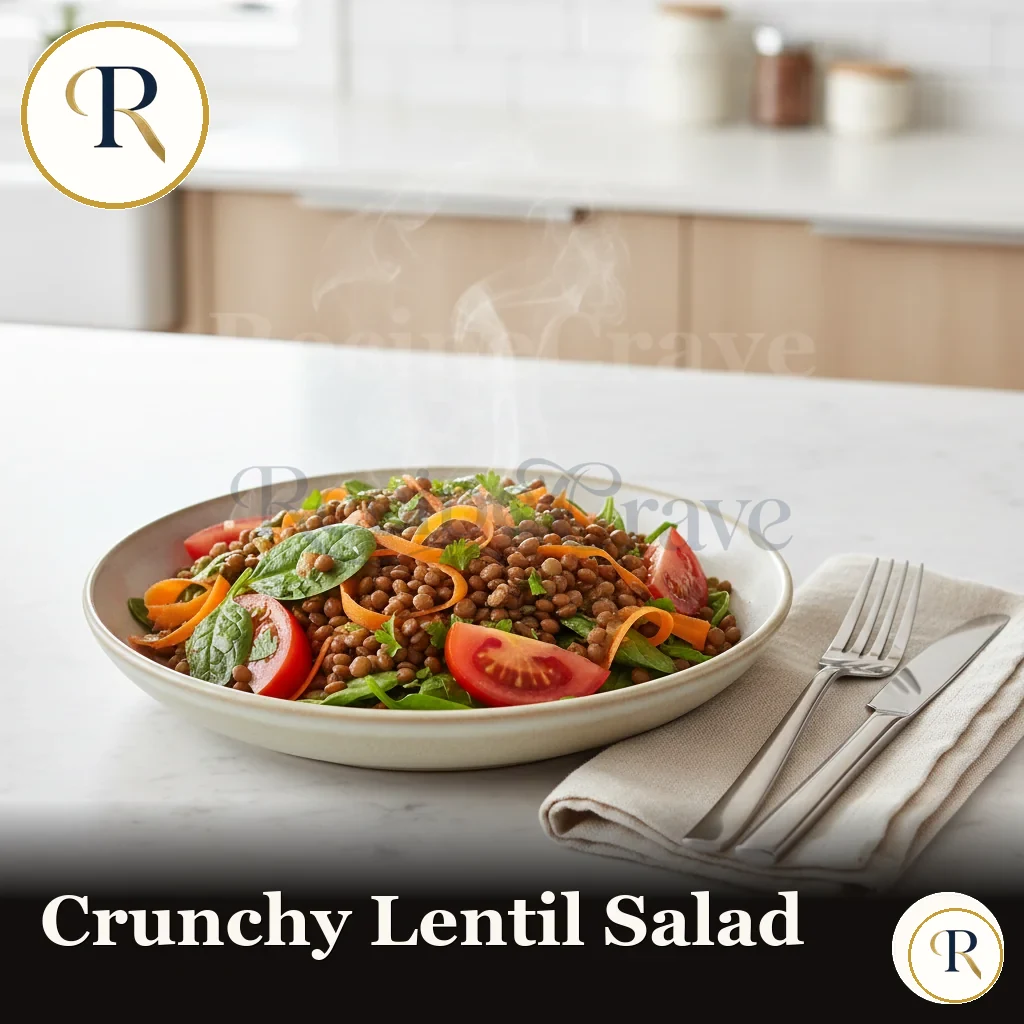
A dish like our crunchy lentil salad is a good example: lentils, crunchy vegetables, and a simple dressing, with nothing that needs a gluten-free version.
Hidden gluten to watch for
Gluten shows up in places that are easy to miss, mostly as a thickener, a binder, or a flavor carrier. These are the usual suspects worth a second look:
- Sauces and gravies, which are often thickened with wheat flour.
- Soy sauce, which is traditionally brewed with wheat. Look for a tamari or a soy sauce marked gluten free.
- Stock cubes and seasoning blends, where wheat can appear as a filler.
- Processed meats such as some sausages and deli slices, which may use wheat as a binder.
- Battered and breaded foods, and anything crumbed or floured before frying.
- Malt from barley, common in some vinegars, drinks, and breakfast cereals.
- Oats that are not labeled gluten free, because of how they are grown and milled.
- Sweets, snack bars, and baked goods, where wheat can hide in surprising amounts.
The habit that helps most is simple: read the ingredient list and the allergen line, every time, even on a product you have bought before. Manufacturers change recipes, and a quick check saves a lot of guesswork.
Simple swaps that keep meals tasting good
You rarely need to give a dish up. You just trade one part for a gluten-free version:
- Swap regular soy sauce for tamari or a gluten-free soy sauce.
- Thicken sauces with cornstarch or a little arrowroot instead of wheat flour.
- Use rice, quinoa, or potatoes in place of pasta or couscous on busy nights.
- Reach for corn tortillas or rice paper instead of wheat wraps.
- Choose certified gluten-free oats for porridge and overnight oats.
- Coat foods in ground almonds, polenta, or gluten-free breadcrumbs for a crisp finish.
Many naturally gluten-free meals also make a fine base for the rest of the family, so you are not cooking two separate dinners.
Flours that work
Baking is where gluten is missed most, because it is the protein that gives structure and stretch. No single gluten-free flour copies wheat on its own, so a blend usually gives the best result. It helps to know what each flour brings:
- Rice flour is mild and common, and works well as part of a blend.
- Almond flour adds moisture and a soft crumb, good for cakes and cookies.
- Buckwheat flour has an earthy flavor that suits pancakes and heartier bakes.
- Oat flour (from gluten-free oats) is gentle and slightly sweet.
- Chickpea flour is protein-rich and handy for savoury pancakes and fritters.
- Cornstarch, potato starch, and tapioca starch lighten a blend and improve texture.
A binder such as xanthan gum or psyllium husk is often added in small amounts to replace some of the stretch that gluten normally provides. If baking feels fiddly at first, a ready-made gluten-free flour blend takes out the guesswork while you learn how each flour behaves. And you can always lean on foods that need no flour at all.
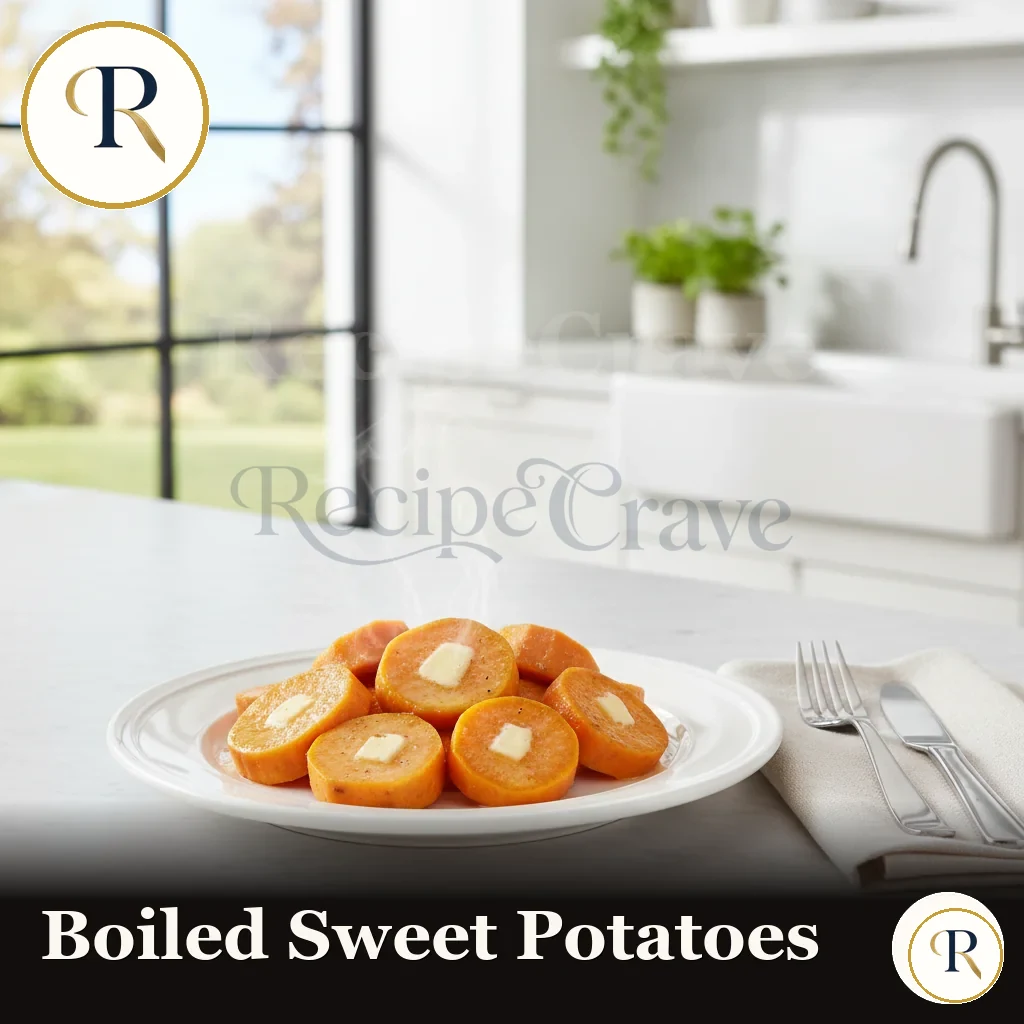
Something as plain as boiled sweet potatoes is a reminder that a satisfying side can be completely gluten free without any special ingredient. For a light finish to a meal, a fresh fruit salad does the same job.
Avoiding cross-contamination
For anyone who needs to avoid gluten strictly, keeping traces out of the food matters as much as the ingredients. Cross-contamination is when gluten sneaks in from shared equipment or surfaces. A few steady habits handle most of it:
- Use separate toasters or toaster bags, since crumbs are hard to remove from a shared toaster.
- Keep dedicated spreads and jars, so a knife that touched normal bread does not go back into the butter or jam.
- Wipe down boards and counters before you start, and wash utensils well between tasks.
- Cook gluten-free food first when you are making both, then cover it while you handle the rest.
- Watch shared water and oil, such as pasta water or a fryer that has cooked battered food.
- Store gluten-free items separately, ideally on a higher shelf so nothing sheds crumbs onto them.
In a mixed household you do not need a separate kitchen. You need a routine, a few dedicated items, and a bit of order in how you cook.
Putting it together
Start from what is already gluten free, keep a short list of the hidden sources in your head, and lean on simple swaps rather than special products wherever you can. Build a small pantry of a gluten-free flour blend, tamari, cornstarch, rice, and certified oats, and most weeknight meals fall into place. Browse our recipe collection for naturally gluten-free dishes to get going.
This article is for general information only and is not medical advice. Everyone's body is different, and gluten affects people in individual ways. Celiac disease and gluten sensitivity are medical matters, so talk to your doctor or a registered dietitian before making changes tied to a health condition, and before starting, stopping, or adjusting any treatment.
Frequently asked questions
Is a gluten-free diet automatically healthier?
Not by itself. Cutting gluten only removes one protein found in wheat, barley, and rye. A meal built from vegetables, beans, fruit, and whole gluten-free grains can be very nourishing, while a plate of gluten-free cookies and packaged snacks is still a plate of cookies and snacks. The quality of the whole diet matters more than the single label.
How do I know if a packaged food is gluten free?
Read the ingredient list and the allergen line every time, even on products you have bought before, because recipes change. Look for a clear gluten-free label or a recognized certification mark. Take note of any advisory wording such as may contain wheat, which signals a shared production line and possible cross-contact.
Are oats gluten free?
Oats do not naturally contain gluten, but they are often grown, milled, or packed alongside wheat, so ordinary oats can pick up gluten along the way. If you need to avoid gluten, choose oats labeled gluten free. Some people are also sensitive to a protein in oats itself, so it is worth checking in with a health professional if you are unsure.
Can I swap one gluten-free flour straight for wheat flour?
Usually not on its own. Single gluten-free flours behave differently from wheat, so a blend tends to work better than any one flour used cup for cup. Ready-made gluten-free flour blends are formulated for this and are the simplest place to start while you learn how each flour behaves.
Do I need to replace all my pots and pans?
Most metal and glass items clean up fine with normal washing. The bigger risk is porous or hard-to-clean gear that has held gluten before, such as wooden spoons, old plastic colanders, and shared toasters. Keeping a few dedicated items for gluten-free cooking is often enough.
About the author. The RecipeCrave editorial team, cooks and writers sharing practical, tested home-cooking guidance.
Keep reading
A Beginner's Guide to Grilling Fish, Chicken, and Steak
Grilling looks intimidating from the outside, but almost all of it comes down to a few habits: build heat zones, oil a hot grate, flip once, and learn doneness by feel and temperature. Here is the beginner version, step by step.
Fermenting at Home for Beginners: Yogurt, Pickles, and More
Fermenting at home is easier than it looks. Here is how simple fermentation works, two beginner projects to start with, the small kit you need, and the safety signs that tell a good batch from a bad one.
Understanding Cooking Oils: Which One to Use and When
Every oil has a job. Some are built for high heat and a crisp crust, others are best kept raw and drizzled at the end. Here is how to match the oil to the pan, store it well and reuse it without the off flavors.