
Article
Cooking with Fresh Herbs: A Practical Guide
A practical guide to cooking with fresh herbs: hardy versus tender types, when to add them, how to chop and store them, drying, simple herb oils and dressings, and how herbs work across cuisines.
7 min readby The RecipeCrave Kitchen Team

Fresh herbs are one of the few things in a kitchen that cost very little and change a dish completely. A plain bowl of rice, a simple soup, a piece of grilled chicken: all of them turn into something worth eating again the moment you add the right herb at the right time. The trouble is that most of us buy a bunch, use a third of it, and watch the rest go slimy in the back of the fridge. This guide fixes that. It covers how herbs behave, when to add them, and how to keep them alive long enough to actually cook with.
Hardy herbs and tender herbs: the split that matters
Almost every cooking decision about herbs comes back to one question: is it hardy or tender? Learn to sort them into these two groups and most of the guesswork disappears.
Hardy herbs have tough, woody stems and firm leaves. Rosemary, thyme, sage, oregano, marjoram, and bay sit in this group. They hold their flavor through long cooking, so they can go into a dish early and simmer for an hour without losing much. Their oils are strong and take heat well.
Tender herbs have soft stems and delicate leaves. Basil, coriander (called cilantro in some countries), parsley, mint, dill, chives, and tarragon belong here. Heat is their enemy. Cook them for more than a minute or two and the fresh, green flavor fades into something flat and grassy. These are finishing herbs, added at the end or scattered raw on top.
There are a few useful exceptions. Parsley and coriander stems carry a lot of flavor and can go in earlier than the leaves, which is handy in a soup base. Rosemary and thyme, though hardy, can also be used raw in small amounts if you chop them very finely. But as a working rule: woody stems go in early, soft stems go in late.
When to add them: start of the pot or the very end
Timing is where good cooks separate a bright dish from a dull one. Match the herb to the moment.
Add hardy herbs early. Drop whole sprigs of rosemary or thyme, or a bay leaf, into the oil at the start of a braise, stew, or tomato sauce. Long, slow heat draws their oils into the whole dish. Fish out the woody stems and the bay leaf before serving, since they never soften enough to eat.
Add tender herbs at the end. Stir chopped parsley, basil, or dill into a dish in the last minute of cooking, or sprinkle it over the plate. The goal is warmth, not cooking. If you can still see the bright green color and smell the herb clearly, you have timed it right.
A soup like our carrot and coriander soup shows both ideas at once. The base simmers with its aromatics for depth, and then a generous handful of fresh coriander goes in right at the end, so the finished bowl tastes green and alive rather than cooked to death.
Chopping without bruising
How you cut an herb changes how it tastes. Bruised, wet herbs go bitter and dark. A few habits keep them clean and bright.
- Dry them first. Wash herbs, then spin or pat them fully dry. Water on the leaves makes them clump and turn to paste under the knife.
- Use a sharp knife. A dull blade crushes leaves instead of slicing them, which pushes out the juices you want to keep in the dish. A sharp knife and a light hand do the job in a few passes.
- Do not over-chop. Rock the knife just until the pieces are the size you want, then stop. Chopping herbs to a fine mush turns them dark and dulls the flavor.
- Stack and roll soft leaves. For basil or mint, stack the leaves, roll them into a tight cigar shape, and slice across into thin ribbons. This keeps the cut edges clean and slows the browning.
Chives are the odd one out. They bruise easily, so snip them with kitchen scissors rather than crushing them under a blade.
Storing so they last
Most herbs die in the fridge because they are treated like a bag of salad. They are closer to cut flowers, and they keep far longer when you store them by type.
Tender herbs, the flower method. Trim the stem ends and stand the bunch upright in a glass with an inch of water, like flowers in a vase. Loosely cover the leaves with a plastic bag and keep it in the fridge. Parsley, coriander, and dill can stay fresh for a week or more this way. Basil is the exception: it hates the cold, so keep basil on the counter in water, out of the fridge.
Hardy herbs, the towel method. Roll rosemary, thyme, and sage in a slightly damp paper towel, slide them into a container or loose bag, and store in the fridge. They hold up for two weeks or more.
Freeze the surplus. When you have more than you can use, chop the herbs, pack them into an ice cube tray, and cover with olive oil or water. Freeze the cubes, then drop one straight into a hot pan later. This works best for cooking herbs like parsley, oregano, and sage, where you want the flavor rather than a fresh raw garnish.
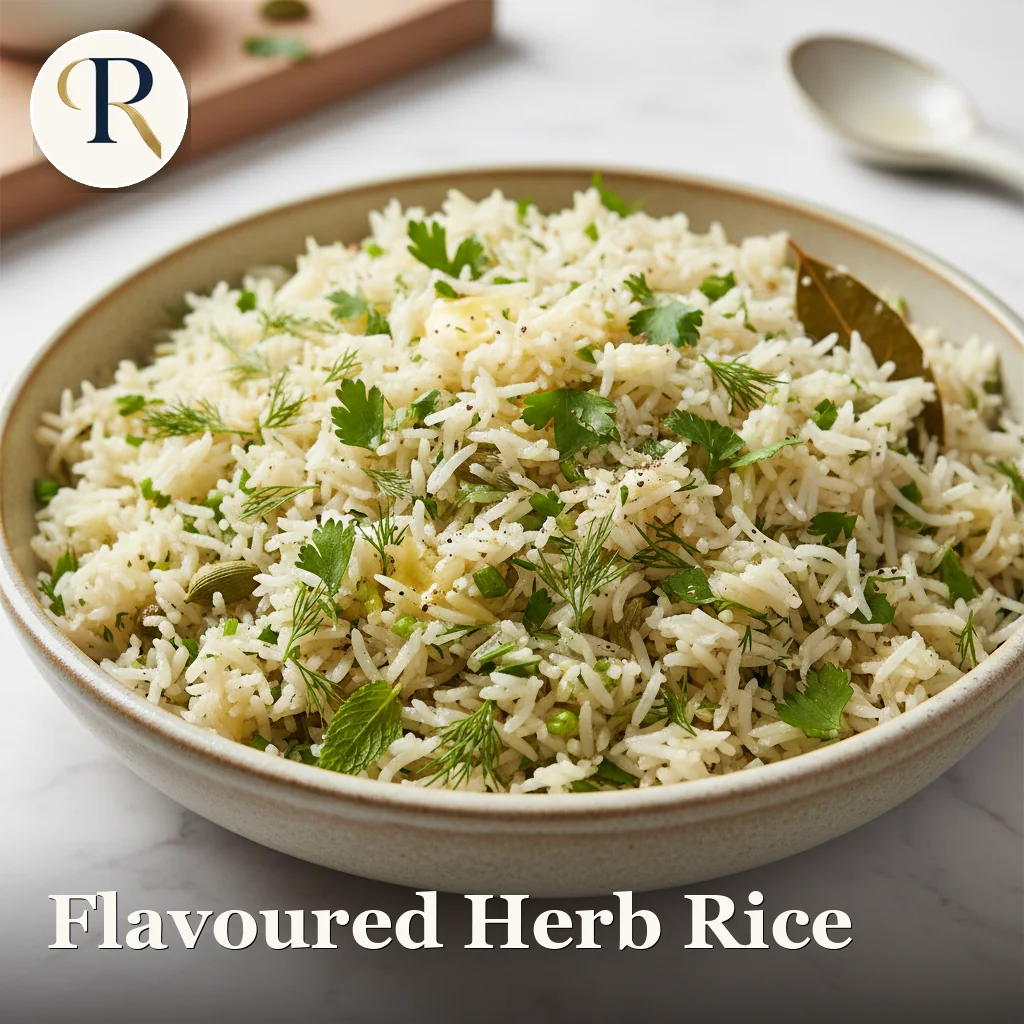
Drying herbs at home
Drying is the old way to keep a summer glut through the winter, and it suits hardy herbs best. Rosemary, thyme, oregano, sage, and bay all dry well and keep much of their character. Tender herbs like basil and coriander lose most of their flavor when dried, so freezing serves them better.
You have three easy options:
- Air drying. Tie small bunches with string and hang them upside down in a warm, dry, dark spot with good airflow. After one to two weeks the leaves crumble easily and are ready to store.
- Oven drying. Spread leaves on a tray and set the oven to its lowest temperature. Leave the door slightly open and check often. This takes a couple of hours and needs a close eye so nothing scorches.
- Low and slow in a dehydrator. If you own one, it gives the most even result with the least fuss.
Store dried herbs whole in an airtight jar away from light and heat, and crush them only when you cook. Whole leaves hold their oils far longer than pre-ground powder. As a rough guide, dried herbs are about three times stronger than fresh, so use one part dried where a recipe asks for three parts fresh.
Simple herb oils and dressings
Once you have more herbs than a single meal needs, turn them into something you can spoon over everything for the next few days.
A quick herb oil
Blanch a big handful of soft herbs (parsley, basil, coriander, or a mix) in boiling water for ten seconds, then drop them into iced water. This sets the green color. Squeeze them dry, blend with a good pour of neutral or olive oil until smooth, and strain if you want it clear. Drizzle it over soup, roasted vegetables, eggs, or grilled fish. Keep it in the fridge and use it within a few days.
A herb dressing you will use on everything
This is closer to a loose salsa verde and it needs no blender. Finely chop a big bunch of parsley with a little mint, and stir in olive oil, lemon juice or a splash of vinegar, a small chopped clove of garlic, a spoon of capers if you have them, and salt. Let it sit for ten minutes so the flavors settle. It lifts plain grilled meat, roasted potatoes, or a bowl of beans in seconds.
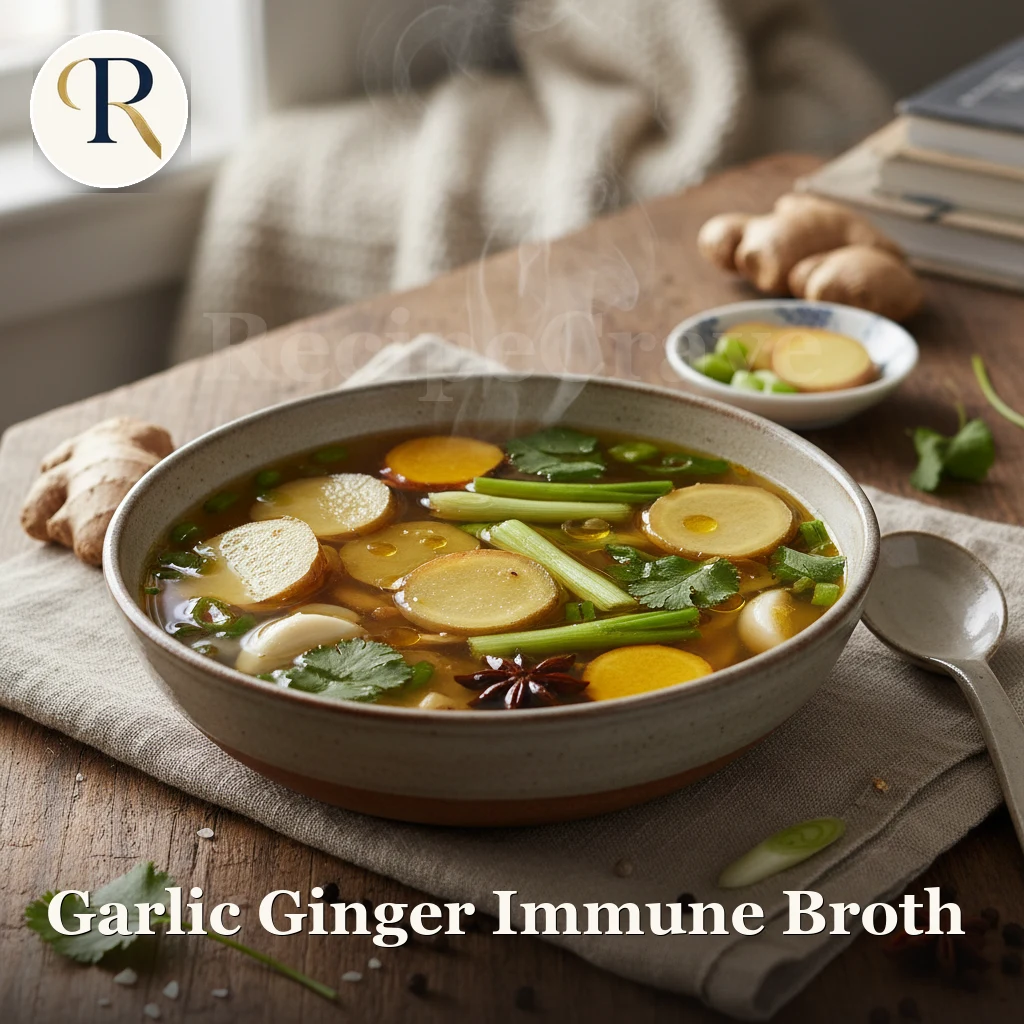
Herbs across cuisines
Part of the fun of cooking with herbs is that a single ingredient can point a dish toward a whole part of the world. The technique stays the same; the herb sets the direction.
- Italian and Mediterranean: basil, oregano, rosemary, sage, and flat-leaf parsley. Think tomato sauces, roasted meats, and olive oil.
- Mexican and Latin American: coriander and oregano lead, often with lime and chilli, in salsas, tacos, and rice.
- Southeast Asian: Thai basil, mint, and coriander, usually added raw at the table for freshness and heat balance.
- Middle Eastern: parsley and mint by the handful, as in tabbouleh, plus dill and coriander in many rice and yogurt dishes.
- Indian: coriander leaf as a finishing herb, mint in chutneys, and curry leaves fried in hot oil at the start for their own distinct aroma.
- French: tarragon, chives, chervil, and parsley, the classic mix often called fines herbes, stirred into eggs, butter, and light sauces.
You do not need to keep all of these on hand. Pick one or two herbs you enjoy, learn how they behave, and you will cook better across every one of these styles. For more on individual plants and how to use them, browse our herbs guide.
The short version
Sort your herbs into hardy and tender. Add the hardy ones early and the tender ones late. Keep a sharp knife and a dry board. Store soft herbs like flowers and hardy herbs in a damp towel. Dry the woody herbs, freeze the soft ones, and turn any surplus into an oil or a dressing. Do those few things and you will waste less, spend less, and eat food that tastes like someone paid attention.
About the author. The RecipeCrave editorial team, cooks and writers sharing practical, tested home-cooking guidance.
Keep reading
A Beginner's Guide to Grilling Fish, Chicken, and Steak
Grilling looks intimidating from the outside, but almost all of it comes down to a few habits: build heat zones, oil a hot grate, flip once, and learn doneness by feel and temperature. Here is the beginner version, step by step.
Fermenting at Home for Beginners: Yogurt, Pickles, and More
Fermenting at home is easier than it looks. Here is how simple fermentation works, two beginner projects to start with, the small kit you need, and the safety signs that tell a good batch from a bad one.
Understanding Cooking Oils: Which One to Use and When
Every oil has a job. Some are built for high heat and a crisp crust, others are best kept raw and drizzled at the end. Here is how to match the oil to the pan, store it well and reuse it without the off flavors.