
Article
Cooking Habits That Support a Healthy, Sustainable Weight
Practical, kitchen-first cooking habits many people find helpful for a healthy weight over the long run: more vegetables, a protein anchor, fiber, gentle portioning, and fewer sugary drinks.
7 min readby The RecipeCrave Kitchen Team
When people talk about weight, the conversation usually rushes toward diets and rules. This article goes the other way. It is about cooking habits, the small, repeatable things you do at the stove, that many people find helpful for reaching or holding a healthy weight over the long run. None of this is a diet, and none of it comes with a promise. Bodies are different, and weight is shaped by a lot of factors, sleep, stress, movement, medication, genetics, and more. What you cook is one piece you get to control most days, so it is a sensible place to build good habits.
The goal here is a way of cooking you can keep up for years, not a sprint you abandon in three weeks. Habits that stick beat rules that do not.
Why habits beat diets for most people
Strict diets tend to work for a while and then unravel, because they ask you to fight your own routine. Habits are gentler. They fold into the way you already cook and shop, so you barely have to think about them once they settle in. If you only take one idea from this piece, let it be this: pick one or two habits below, practice them until they feel normal, then add another. Slow and steady is the point.
Cook at home more often
Cooking at home is the habit that quietly supports all the others. When you cook, you decide what goes in the pan, how much oil, how much salt and sugar, and how big the portion is. Restaurant and takeaway meals are often built to taste great by being rich and generous, which is lovely now and then but harder to manage every day.
You do not need to cook every meal from scratch. A realistic aim is to cook a little more often than you do now. Batch a pot of soup or a tray of roasted vegetables on the weekend, and weeknights get easier. Our what can I cook tool is handy when you are staring into the fridge with no plan, and the meal planner helps you map a week you can actually follow.
Fill half the plate with vegetables
Vegetables are filling for very few calories, and they bring color, crunch, and fiber to a meal. A simple, repeatable habit is to build the plate so vegetables take up about half of it, with your protein and a starch sharing the rest. You are not banning anything. You are just letting the vegetables lead.
Roasting is the friendliest technique for this. Toss whatever you have, broccoli, carrots, peppers, cauliflower, with a little olive oil and salt, and roast until the edges catch. Roasting makes vegetables sweet and savory in a way that steaming does not, and a big tray keeps in the fridge for days.
Anchor each meal with protein
A serving of protein, eggs, fish, chicken, beans, lentils, tofu, or plain yogurt, makes a meal more satisfying and helps you feel full for longer. Many people find that building each plate around a protein source, rather than around bread or pasta, keeps them comfortable between meals without much effort.
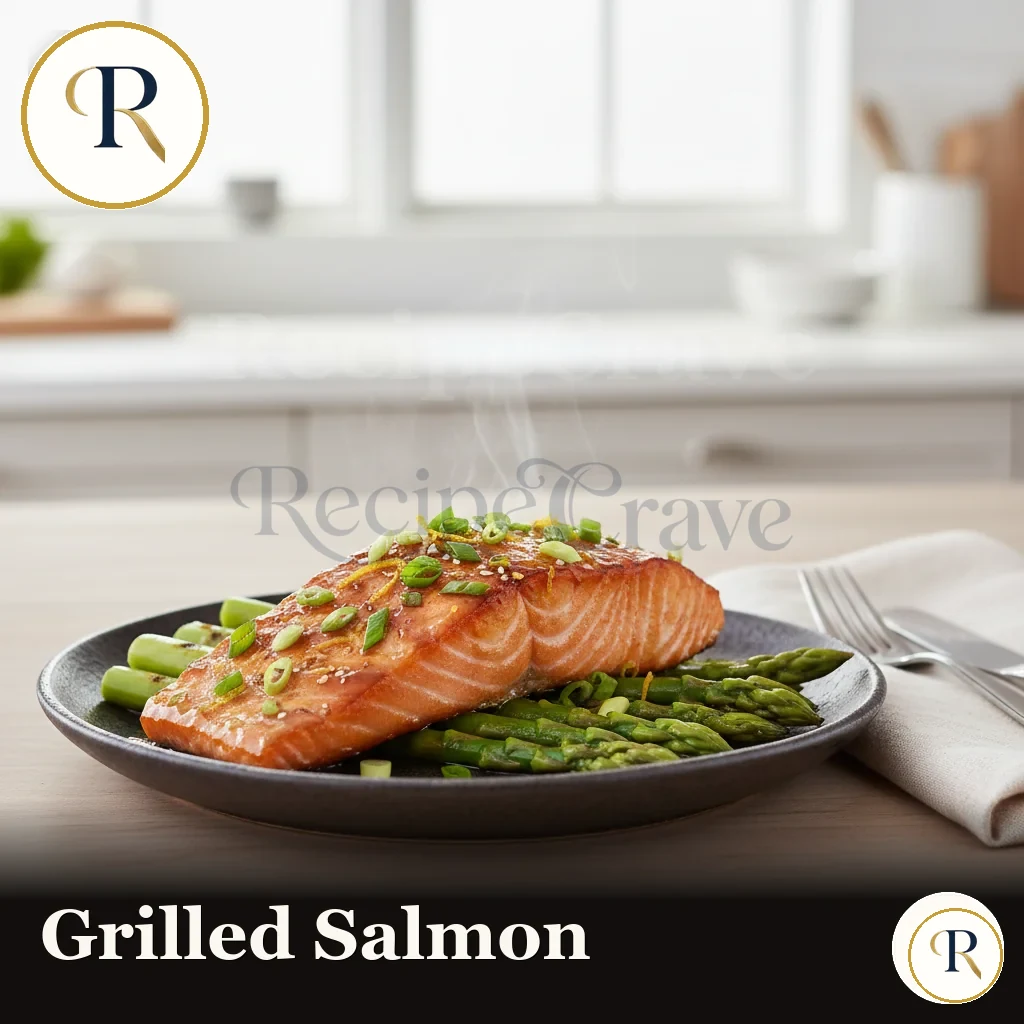
Fish is a good habit to lean into a couple of times a week. Salmon, in particular, is quick to cook and forgiving. A simple grilled fillet with a squeeze of lemon and a pile of greens is a weeknight meal you can make on autopilot. Browse the recipe collection for more protein-forward ideas that do not take all evening.
Lean into fiber
Fiber comes from vegetables, fruit, beans, lentils, and whole grains, and it is one of the most useful things you can put on a plate. High-fiber foods tend to be filling and slow to eat, which many people find helpful for feeling satisfied. Beans and lentils are the quiet heroes here: cheap, filling, and endlessly flexible.
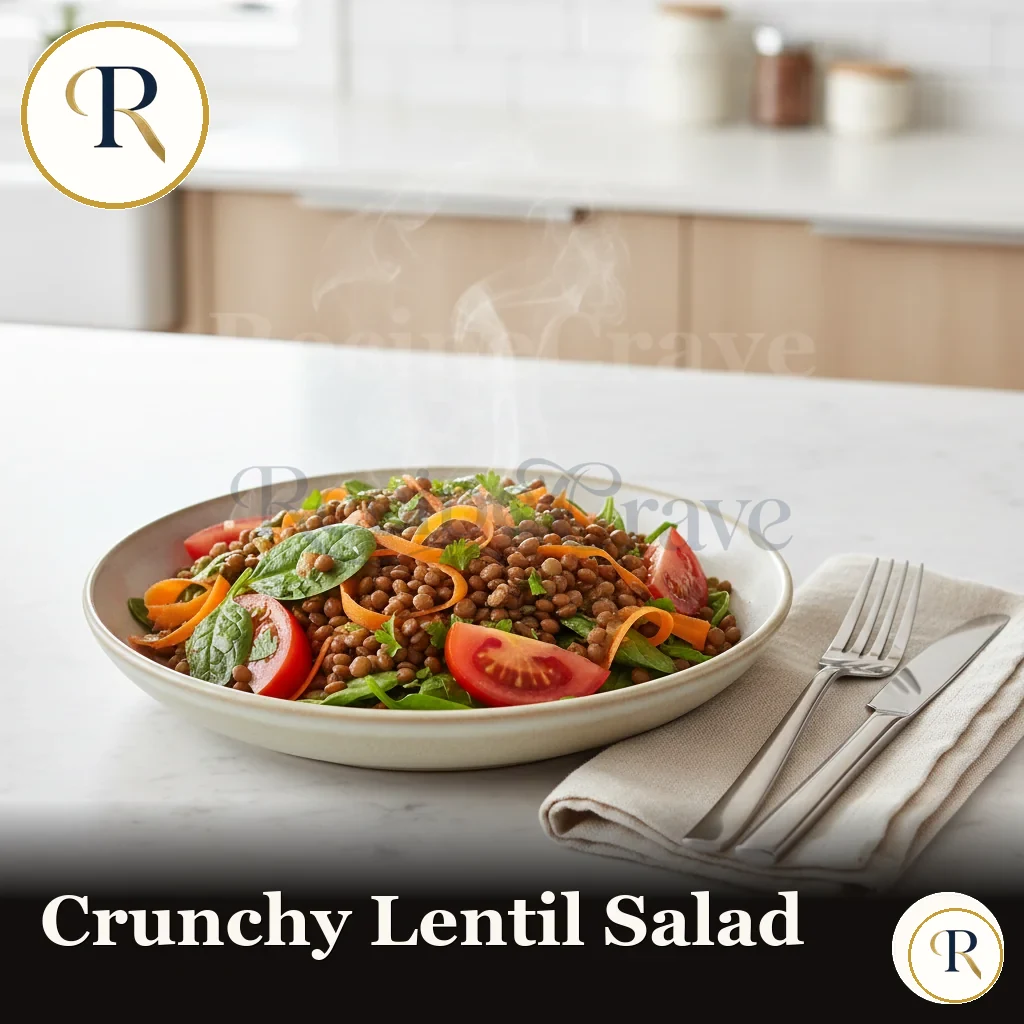
A crunchy lentil salad is a perfect example of two habits stacked together. The lentils bring both protein and fiber, the raw vegetables add crunch and volume, and a simple olive oil and lemon dressing keeps it bright. Make a big bowl and it becomes lunch for a couple of days. Easy swaps toward higher-fiber staples, brown rice instead of white, whole grain bread, lentil pasta, are gentle upgrades you barely notice once you get used to them.
Portion with your eyes, gently
Portioning does not need a food scale or a spreadsheet. A few gentle, low-effort habits do most of the work:
- Serve onto plates at the counter rather than putting every pot on the table, where seconds are only an arm's reach away.
- Use a slightly smaller dinner plate, which makes a normal portion look generous.
- Start the meal with the vegetables and protein, and get to the starchier foods after.
- Eat a little more slowly, and pause before going back for more. Fullness takes a few minutes to register.
None of these ask you to feel hungry. They just remove the autopilot that leads to a second helping you did not really want. If you like a more structured approach, our calculators can help you think about portions, though many people do fine with the eyeball habits above.
Go easy on liquid sugar
Of all the small swaps, cutting back on sugary drinks is often the easiest single change with the most to gain. Sugary sodas, sweetened coffees, and many juices deliver a lot of sugar without making you feel full, so it is easy to take in more than you notice. This is not about never enjoying a sweet drink. It is about making the everyday default something like water, sparkling water, plain coffee or tea, or a drink you sweeten lightly yourself.
A few habits that make this painless: keep a jug of water with lemon or cucumber in the fridge, brew unsweetened iced tea in summer, and treat sugary drinks as an occasional thing rather than a daily one. Because your body does not register liquid sugar the way it registers food, this swap tends to go unnoticed while still adding up.
A sample day of habit-friendly cooking
- Breakfast: Plain yogurt with berries, a sprinkle of nuts or seeds, and a little cinnamon.
- Lunch: A crunchy lentil salad with plenty of raw vegetables and an olive oil and lemon dressing.
- Dinner: Grilled salmon with a big tray of roasted vegetables and a scoop of brown rice.
- Snacks: An apple with a spoon of nut butter, or carrots with hummus.
- Drinks: Water, sparkling water, or plain tea through the day.
Notice there is nothing extreme here. It is ordinary food, cooked at home, built around vegetables, protein, and fiber, with sugary drinks kept to the side.
Keeping expectations honest
These are cooking habits, not a treatment or a guarantee. Some people find that cooking this way helps with their weight, and others need a different mix of support. Weight is influenced by many things beyond the plate, and there is no single habit that works the same for everyone. Be skeptical of anything online promising a fixed number of pounds from one food or one trick. The honest framing is simpler: these are pleasant, affordable, everyday habits that make home cooking a bit more filling and a bit more balanced, and that is a solid reason to build them whether or not the scale moves.
This article is for general information only and is not medical advice. Everyone's body is different, and food affects weight and health in individual ways. Talk to your doctor or a registered dietitian before making changes tied to a health condition, before starting any weight-related plan, or before starting, stopping, or adjusting any medication.
Frequently asked questions
Will these cooking habits help me lose weight?
They might help some people and not others, and this article makes no promises. These are general cooking habits that many people find supportive for a healthy weight, but weight depends on many factors. For guidance tied to your own situation, speak with your doctor or a registered dietitian.
Do I have to give up bread, pasta, or dessert?
No. None of these habits ban a food. The idea is to let vegetables, protein, and fiber lead the plate, and to enjoy other foods within that. Small swaps, such as a higher-fiber bread or a slightly smaller portion of pasta, are gentle changes rather than hard rules.
Is cooking at home really that important?
Cooking at home is helpful mainly because it puts you in control of ingredients, portions, and how much oil, salt, and sugar go in. You do not need to cook every meal. Cooking a little more often than you do now, and batch cooking when you can, makes the other habits much easier to keep.
What is the single easiest habit to start with?
For many people it is cutting back on sugary drinks, since liquid sugar adds up without making you feel full. Making water, sparkling water, or plain tea your everyday default is a low-effort change that is simple to keep going.
How long until habits like these feel normal?
It varies from person to person. A common, gentle approach is to pick one or two habits, practice them until they stop feeling like effort, and then add another. Building slowly tends to last longer than trying to change everything at once.
Ready to put a few of these into practice? Explore the recipe collection for vegetable-forward and protein-anchored meals, plan a realistic week with the meal planner, and reach for what can I cook when you want to use up what is already on the shelf.
About the author. The RecipeCrave editorial team, cooks and writers sharing practical, tested home-cooking guidance.
Keep reading
A Beginner's Guide to Grilling Fish, Chicken, and Steak
Grilling looks intimidating from the outside, but almost all of it comes down to a few habits: build heat zones, oil a hot grate, flip once, and learn doneness by feel and temperature. Here is the beginner version, step by step.
Fermenting at Home for Beginners: Yogurt, Pickles, and More
Fermenting at home is easier than it looks. Here is how simple fermentation works, two beginner projects to start with, the small kit you need, and the safety signs that tell a good batch from a bad one.
Understanding Cooking Oils: Which One to Use and When
Every oil has a job. Some are built for high heat and a crisp crust, others are best kept raw and drizzled at the end. Here is how to match the oil to the pan, store it well and reuse it without the off flavors.