
Article
Cheap Healthy Dinners: How to Eat Well on a Budget
Cook satisfying, nutritious dinners for a few dollars a serving using cheap staples, smart batch cooking, and big flavor on a small budget.
6 min readby The RecipeCrave Kitchen Team
Eating well when money is tight can feel like a trade-off: pick nutritious or pick affordable, but not both. The good news is that the cheapest foods in the store are often the most nourishing ones. Dried beans, eggs, rice, lentils, oats, and seasonal vegetables have fed families well for generations, and they still cost a fraction of what convenience meals do.
The trick isn't a single magic recipe. It's a way of shopping and cooking that leans on a handful of inexpensive staples, stretches proteins instead of centering every plate on a pricey cut, and builds real flavor from cheap ingredients you already have. Prices vary a lot by region and season, so treat any dollar figures here as rough, approximate examples rather than promises. Here's how the whole system fits together.
Build Your Cheap-Staples Pantry First
A budget kitchen starts with a small core of staples that keep for months and combine into dozens of meals. Buy these when they're on sale, in the largest size that makes sense for your household, and you'll almost always have the bones of a dinner on hand.
- Dried beans and lentils, protein and fiber for very little money per serving. Lentils cook in about 20 minutes with no soaking.
- Rice, oats, and pasta, filling, shelf-stable calories that carry a meal.
- Eggs, one of the cheapest complete proteins, and dinner-ready in minutes.
- Canned tomatoes and a can or two of beans, the base of soups, stews, and quick sauces.
- Onions, garlic, carrots, and potatoes, hardy, cheap vegetables that last for weeks.
- Oil, salt, and a few dried spices, the difference between bland and crave-worthy.
If you want to see what you can make from what's already in your cupboard, our pantry match tool turns a list of ingredients you have into recipes you can cook tonight.
Protein for Less
Protein is usually the most expensive part of dinner, so this is where a budget is won or lost. The move is to lean on plant proteins most nights and treat meat as a flavor booster rather than the main event.
- Beans and lentils cost a small fraction of meat per serving and fill you up. A pot of stewed beans can anchor several dinners.
- Eggs stretch across frittatas, fried-rice, shakshuka, and simple egg-and-toast dinners.
- A whole chicken is cheaper per pound than parts. Roast it once, then use the meat across two or three meals and simmer the carcass into stock.
- Canned fish like sardines and mackerel is inexpensive, keeps forever, and brings protein plus healthy fats.
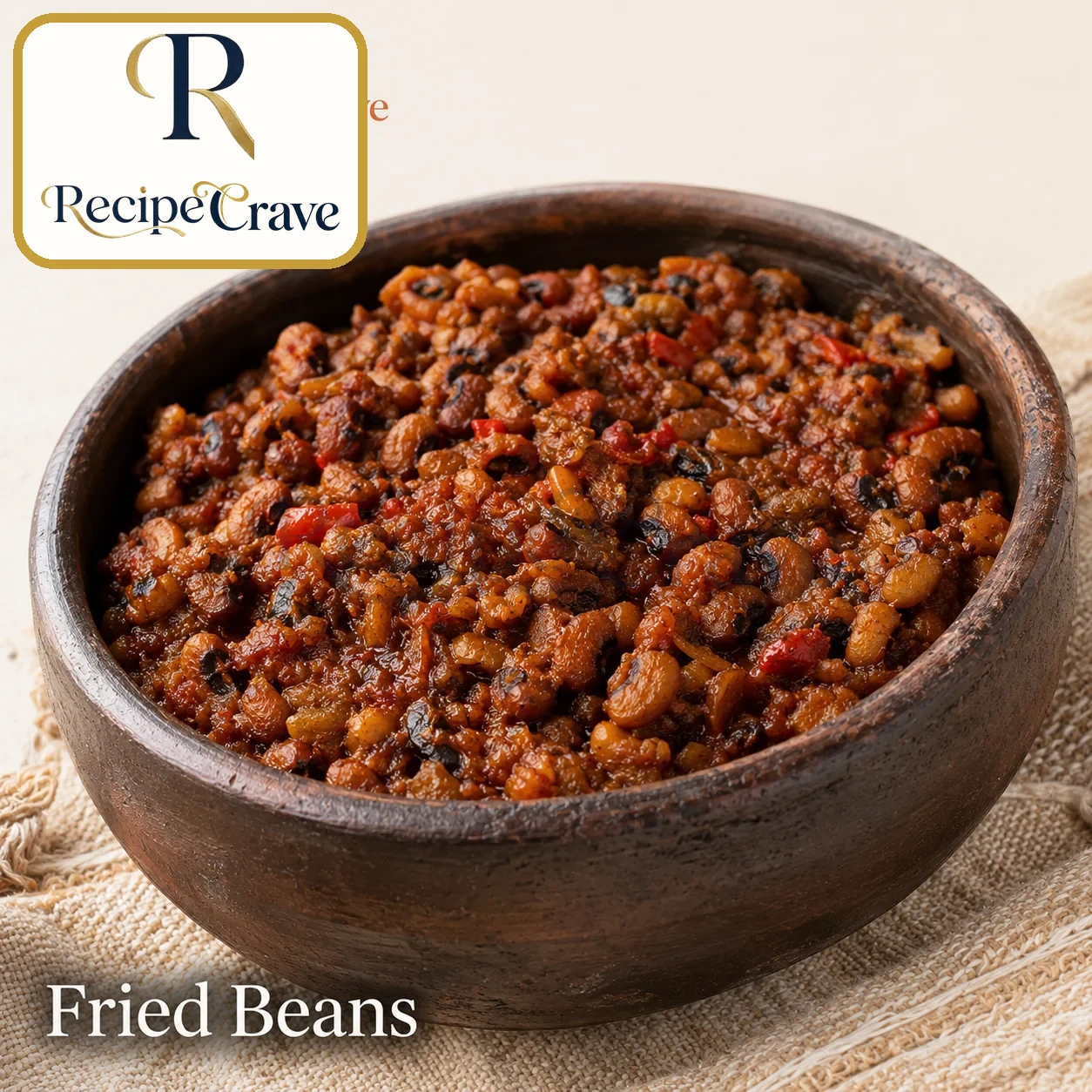
West African cooking has long treated beans as a satisfying main. Crispy akara bean fritters and comforting fried beans both prove that a bag of dried beans can carry a full, flavorful dinner on its own.
When you do buy meat, buy the cheaper cuts and let time do the work. Tough, inexpensive cuts turn tender and deeply flavorful with a slow braise, and they stretch further when simmered with beans, grains, or vegetables.
Flavor on a Budget
Cheap meals get a bad reputation because they're often under-seasoned, not because the ingredients are boring. A few low-cost habits make the difference between food you tolerate and food you look forward to.
- Build a base by cooking onions, garlic, and any spices slowly in oil before adding the rest. This one step transforms beans, rice, and soups.
- Salt properly and finish with acid. A squeeze of lemon, a splash of vinegar, or a spoon of tomato wakes up almost any cheap dish.
- Keep a few high-impact extras, dried chili, cumin, smoked paprika, soy sauce, or a bouillon cube add big flavor for pennies per meal.
- Use fresh herbs and greens as garnish. A handful of chopped parsley, cilantro, or scallion makes a humble plate feel finished.
Batch Cook and Stretch What You Make
Cooking once and eating several times is where budget cooking really pays off. Batching saves money, time, and the late-night temptation to order takeout because nothing's ready.
- Cook grains and beans in bulk. A big pot of rice or beans becomes the foundation for bowls, wraps, and soups all week.
- Repurpose, don't just reheat. Roast chicken becomes tacos one night and soup the next. Last night's beans become today's lunch topped with an egg.
- Make vegetables go further by folding them into pots of soup, stir-fries, and grain bowls where a little stretches across many servings.
- Freeze extras in portions so a busy evening has a homemade meal waiting instead of a delivery order.
Stuck on how to combine what you've cooked, our what can I cook tool suggests dinners based on the ingredients you have on hand right now.
A Few Example Dinners for a Few Dollars
Here's how the staples come together into real, satisfying meals. Costs depend heavily on where and when you shop, so think of these as approximate, low-cost templates rather than exact prices.
- Lentil and vegetable soup with onions, carrots, canned tomatoes, and a hunk of bread, hearty, high in fiber, and cheap by the pot.
- Rice and beans seasoned well and topped with a fried egg or a spoon of salsa, a complete, filling plate.
- Vegetable fried rice built from leftover rice, an egg, and whatever vegetables need using up.
- Roast-chicken night one, chicken soup night two, one bird, two dinners, plus homemade stock.
- Bean fritters or fried beans with rice for a plant-forward dinner that eats like a treat.
Want more ideas in this spirit, browse our full collection of recipes for dishes that lean on affordable, everyday ingredients.
Smart Shopping Tactics
How you shop matters as much as what you cook. A few simple habits keep the grocery bill down without much effort.
- Plan a few dinners before you go and write a list, so you buy with a purpose instead of by impulse.
- Buy seasonal produce, which is cheaper and better, and lean on frozen vegetables when fresh is pricey.
- Compare unit prices, not package prices, and buy shelf-stable staples in bulk when the per-unit cost drops.
- Check the reduced and store-brand sections, which are often identical to name brands for less.
- Cook to use things up so food doesn't spoil in the fridge, wasted groceries are the most expensive food of all.
Frequently Asked Questions
What are the cheapest healthy foods to build meals around?
Dried beans, lentils, eggs, rice, oats, seasonal vegetables, and cheaper cuts of meat like a whole chicken give you the most nutrition for the money. They store well, combine into countless dishes, and provide protein, fiber, and filling calories at a low cost per serving.
How can I make cheap meals taste good?
Season in layers. Cook onions, garlic, and spices in oil first, salt your food properly as you go, and finish with a bit of acid like lemon or vinegar. A few inexpensive extras such as chili, cumin, or fresh herbs add a lot of flavor for very little money.
Is it cheaper to cook with dried or canned beans?
Dried beans are usually cheaper per serving and let you control salt and texture, but they take longer to cook. Canned beans cost a little more and are ready instantly, which makes them worth keeping on hand for fast weeknight dinners. Both are budget-friendly.
How do I cook healthy dinners without spending hours in the kitchen?
Batch cook on a day when you have time. Make big pots of grains and beans, roast a chicken, and store portions you can turn into quick meals during the week. With a stocked pantry, most cheap dinners come together in about half an hour.
About the author. The RecipeCrave editorial team, cooks and writers sharing practical, tested home-cooking guidance.
Keep reading
A Beginner's Guide to Grilling Fish, Chicken, and Steak
Grilling looks intimidating from the outside, but almost all of it comes down to a few habits: build heat zones, oil a hot grate, flip once, and learn doneness by feel and temperature. Here is the beginner version, step by step.
Fermenting at Home for Beginners: Yogurt, Pickles, and More
Fermenting at home is easier than it looks. Here is how simple fermentation works, two beginner projects to start with, the small kit you need, and the safety signs that tell a good batch from a bad one.
Understanding Cooking Oils: Which One to Use and When
Every oil has a job. Some are built for high heat and a crisp crust, others are best kept raw and drizzled at the end. Here is how to match the oil to the pan, store it well and reuse it without the off flavors.