
Article
Anti-Inflammatory Foods to Keep in Your Kitchen: A Practical Stock-Your-Pantry Guide
A practical guide to 14 anti-inflammatory foods worth keeping on hand, why each may help, and simple ways to actually cook with them.
6 min readby The RecipeCrave Kitchen Team
Inflammation is one of those words that gets used loosely, so it helps to be clear. Short-term inflammation is your body doing its job: responding to a cut, a cold, or a hard workout. The kind worth paying attention to is the low, lingering sort that can quietly stick around for months. Diet is only one piece of that picture, alongside sleep, movement, and stress, but it is a piece you get to shape three times a day.
The good news is that an anti-inflammatory kitchen does not require a special shopping trip or a cabinet full of supplements. Most of what helps is ordinary food you already recognize. Below are fourteen ingredients worth keeping within reach, why each one is associated with calmer, more balanced eating, and how to actually use it. Think of it as a stocking list rather than a set of rules.
Spices That Do the Heavy Lifting
Turmeric
The golden spice behind curry powder owes its color to curcumin, a compound that has been studied for its role in the body's inflammatory response. On its own turmeric is mild and slightly earthy, so it plays well in the background of a dish.
- Stir a teaspoon into rice, lentils, or scrambled eggs while they cook.
- Add it to roasted cauliflower or sweet potatoes with a little oil.
- Pair it with black pepper and a source of fat, which is thought to help your body absorb it.
If you want to read more about how it has been used traditionally, our turmeric guide goes deeper.
Ginger
Ginger brings warmth and a little heat, and it has long been associated with soothing digestion. Fresh knobs keep for weeks in the fridge and freeze beautifully; grate straight from frozen when you need it.
- Grate into stir-fries, marinades, and salad dressings.
- Simmer a few slices in hot water with lemon for a simple tea.
- Blend a small piece into smoothies for a bright, peppery lift.
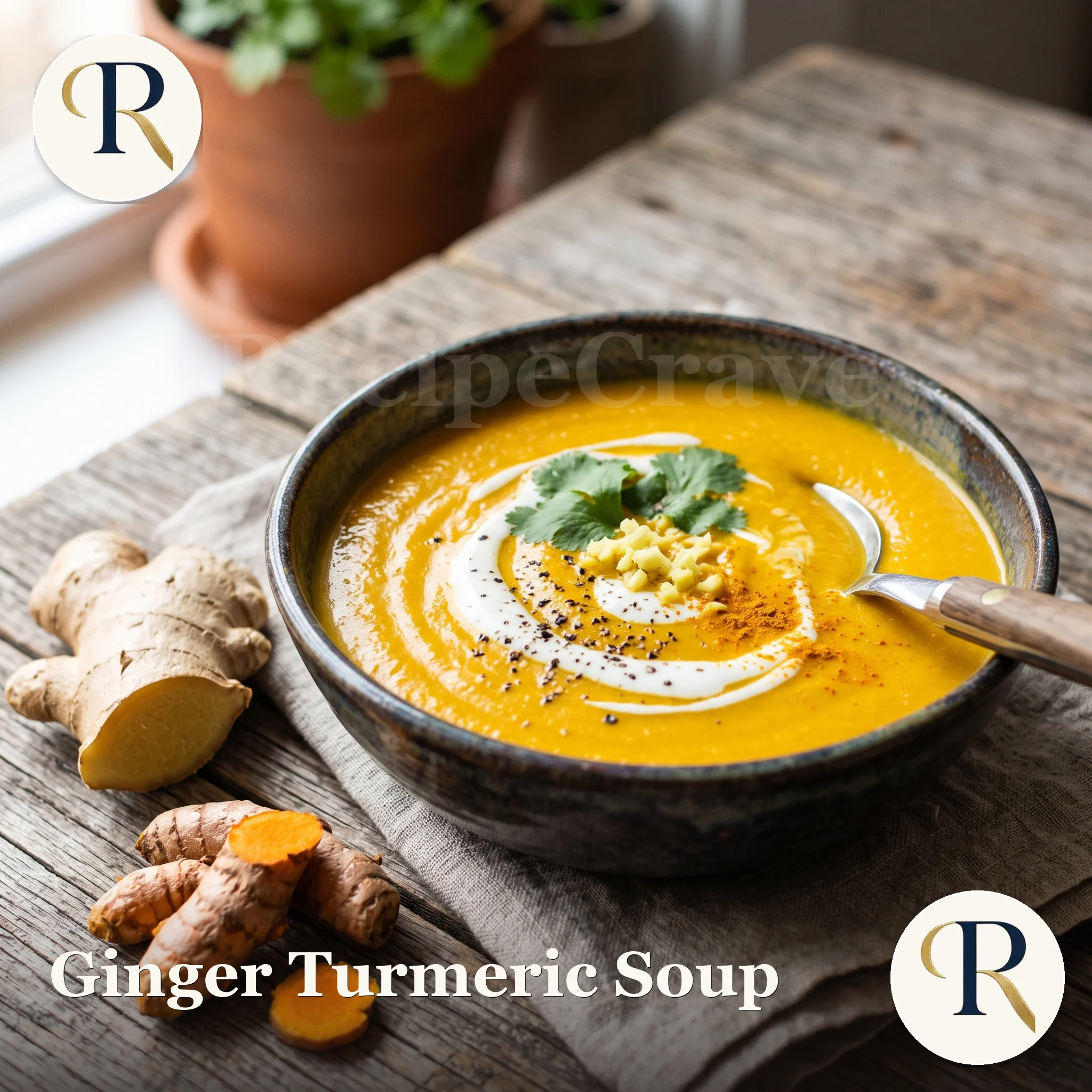
See our ginger guide for storage tips and more ideas, and if you want the two spices in one bowl, try our ginger-turmeric soup.
Cinnamon
Warm, sweet, and versatile, cinnamon lets you add flavor without reaching for extra sugar. Keep a jar near the stove and the coffee.
- Dust over oatmeal, yogurt, or baked apples.
- Add a pinch to chili or a slow-cooked stew for depth.
Fish, Nuts, and Seeds
Fatty Fish
Salmon, sardines, mackerel, and herring are rich in omega-3 fats, which are widely associated with a healthier inflammatory balance. Canned versions are inexpensive, shelf-stable, and every bit as useful as fresh.
- Roast salmon at high heat for 12 to 15 minutes with lemon and herbs.
- Mash canned sardines onto toast with olive oil and a squeeze of citrus.
- Flake mackerel into salads or grain bowls for an easy lunch.
Tip: keep two or three tins of sardines or salmon in the pantry. On a night when cooking feels like too much, they turn a piece of toast or a handful of greens into a real meal in minutes.
Walnuts and Almonds
Nuts offer healthy fats, fiber, and a satisfying crunch. Walnuts in particular contribute plant-based omega-3s.
- Keep a jar on the counter for a handful between meals.
- Toast and scatter over salads, roasted vegetables, or yogurt.
Flaxseed and Chia
Ground flaxseed and chia seeds add fiber and plant omega-3s with almost no effort. Buy flax already ground, or grind it yourself, since whole seeds tend to pass through undigested.
- Stir a spoonful into oatmeal, smoothies, or yogurt.
- Use them as a binder in homemade energy bites or pancakes.
Vegetables and Fruit
Leafy Greens
Spinach, kale, chard, and collards are dense with vitamins, minerals, and antioxidant compounds. They are among the easiest additions to almost any savory dish.
- Wilt a few handfuls into soups, pasta, and curries at the end of cooking.
- Blend mild greens like spinach into smoothies where you will barely taste them.
- Massage kale with olive oil and salt to soften it for salads.
Cruciferous Vegetables
Broccoli, cauliflower, Brussels sprouts, and cabbage belong to a family associated with protective plant compounds. Roasting is the friendliest way to win people over.
- Toss florets with oil and roast at high heat until the edges crisp.
- Shred cabbage into slaws, or fold it into soups and stir-fries.
Berries
Blueberries, strawberries, raspberries, and blackberries get their deep color from anthocyanins, antioxidant pigments that have drawn plenty of research interest. Frozen berries are picked ripe and keep for months.
- Add to oatmeal, yogurt, or overnight oats.
- Blend frozen berries into smoothies straight from the bag.
Tomatoes
Tomatoes provide lycopene, an antioxidant your body may absorb more readily when they are cooked and paired with a little fat.
- Simmer canned tomatoes with garlic and olive oil for a quick sauce.
- Roast cherry tomatoes until they burst and spoon them over grains or fish.
Fats, Beans, and Sips
Extra-Virgin Olive Oil
A cornerstone of the Mediterranean way of eating, extra-virgin olive oil carries compounds studied for their role in the inflammatory response. Treat it as a daily staple rather than an occasional splurge.
- Use it for everyday roasting, sauteing, and dressings.
- Finish soups and cooked vegetables with a raw drizzle for flavor.
Beans and Lentils
Inexpensive and filling, legumes bring fiber and plant protein that support steady, balanced meals. Canned varieties make them a genuine weeknight option.
- Add lentils to soups and stews, where they cook quickly.
- Rinse canned chickpeas or black beans into salads, bowls, and tacos.
Green Tea
Green tea contains polyphenols that have been widely studied, and it makes an easy swap when you want a warm drink with a little less caffeine than coffee.
- Steep in water just off the boil for a couple of minutes to keep it from turning bitter.
- Serve iced with mint and lemon in warm weather.
Dark Chocolate
A square of dark chocolate, ideally 70 percent cacao or higher, offers the same family of antioxidant flavonoids found in berries and tea. It is a reminder that eating well is not about deprivation.
- Enjoy a small square as is, or shave it over berries and yogurt.
You do not need every item on this list at once. Pick a few, build a handful of meals you genuinely enjoy, and let the habit grow from there. For more ways to put these ingredients to work, browse our recipe collection, and if you are curious about the traditional uses of cooking spices, our herbs section is a good place to wander.
This article is general information about food and cooking, not medical advice. If you have a health condition or take medication, talk with a qualified healthcare professional before making significant changes to your diet.
Frequently Asked Questions
How quickly do anti-inflammatory foods make a difference?
There is no set timeline, and results vary from person to person. These foods work best as part of a consistent, long-term pattern of eating rather than a quick fix. The more useful goal is building meals you can happily repeat for months, not chasing a change you can feel by next week.
Do I need supplements, or is food enough?
For most people, whole foods are a sensible starting point, since they deliver fiber, flavor, and a mix of nutrients that pills do not. Supplements can interact with medications and are not always necessary, so it is worth speaking with a healthcare professional before adding them.
Are there foods I should cut back on?
Many people find it helpful to lean less on heavily processed foods, sugary drinks, and refined snacks, and to lean more on the whole foods above. Rather than banning anything outright, aim to crowd your plate with more vegetables, whole grains, legumes, and good fats.
What is the single easiest place to start?
Cooking with extra-virgin olive oil and adding a serving of vegetables or leafy greens to meals you already make is about as simple as it gets. From there, keeping frozen berries and a few tins of fish on hand makes the rest fall into place with very little effort.
About the author. The RecipeCrave editorial team, cooks and writers sharing practical, tested home-cooking guidance.
Keep reading
A Beginner's Guide to Grilling Fish, Chicken, and Steak
Grilling looks intimidating from the outside, but almost all of it comes down to a few habits: build heat zones, oil a hot grate, flip once, and learn doneness by feel and temperature. Here is the beginner version, step by step.
Fermenting at Home for Beginners: Yogurt, Pickles, and More
Fermenting at home is easier than it looks. Here is how simple fermentation works, two beginner projects to start with, the small kit you need, and the safety signs that tell a good batch from a bad one.
Understanding Cooking Oils: Which One to Use and When
Every oil has a job. Some are built for high heat and a crisp crust, others are best kept raw and drizzled at the end. Here is how to match the oil to the pan, store it well and reuse it without the off flavors.