
Article
Blood-Sugar-Friendly Cooking: A Practical Kitchen Guide
A practical guide to blood-sugar-friendly home cooking: fiber, protein, balanced plates, and gentle everyday habits — designed to sit alongside your doctor's guidance, never replace it.
11 min readby The RecipeCrave Kitchen Team
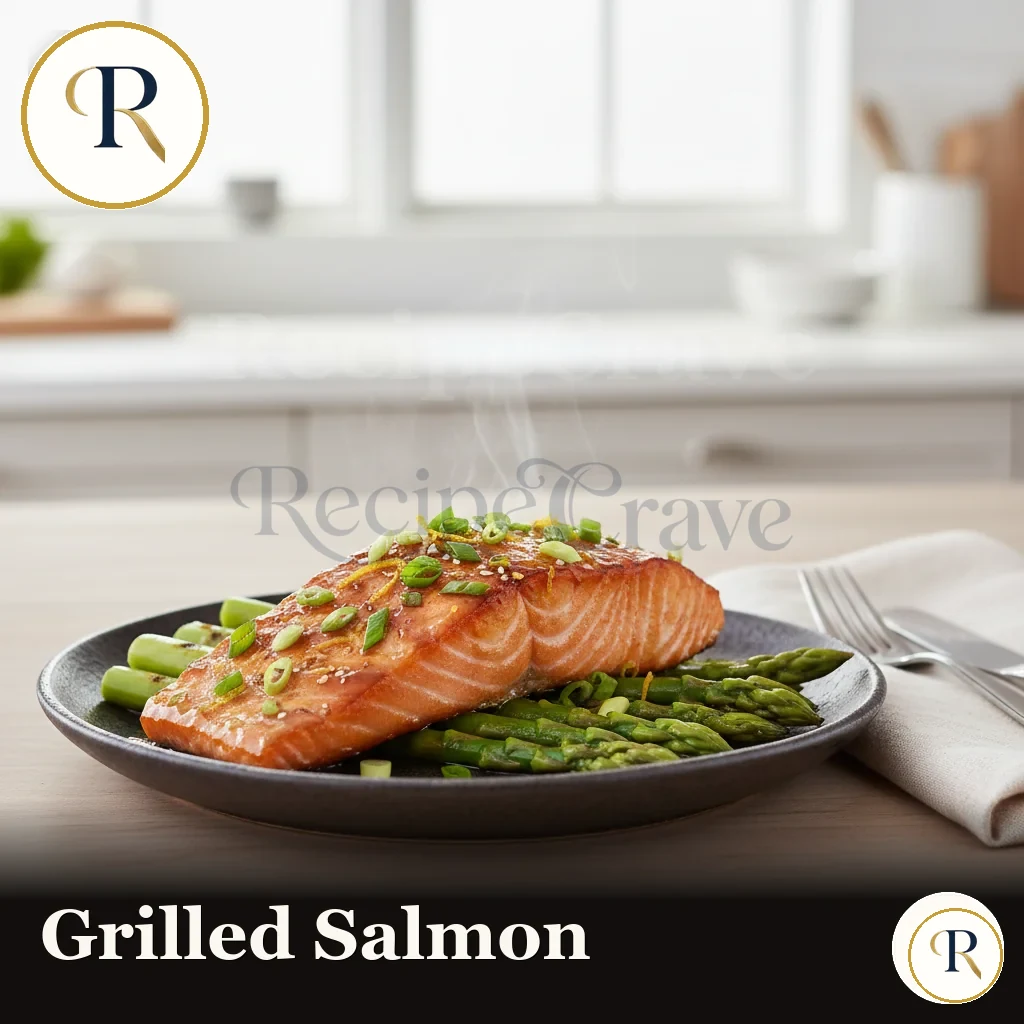
If you or someone you cook for is thinking about blood sugar, the kitchen is a good place to build supportive habits. None of this replaces the guidance of a doctor or dietitian — but the way you build a plate is something you control every day, and many people find a few simple habits genuinely helpful for steadier energy. Think of this as cooking guidance that sits alongside your medical care.
Three habits worth building
1. Fill up on fiber. Vegetables, beans, and whole grains are filling and satisfying, and building meals around them is a habit many people find helpful. A common, gentle tip is to start a meal with the vegetables and protein before the starchier foods.
2. Anchor each meal with protein. A serving of protein — eggs, fish, chicken, beans, tofu — makes a meal more satisfying and helps you feel full. Building each plate around a protein source is a simple, repeatable habit.
3. Cook with flavor, not just salt and sugar. Herbs and spices like cinnamon, ginger, and fenugreek are traditional flavor-builders that let you enjoy food without leaning on added sugar. Enjoy them for taste; they're seasonings, not medicine.
Foods to build meals around
- Lentils and beans — filling, affordable, versatile
- Leafy greens and non-starchy vegetables — the backbone of the plate
- Berries — a naturally sweet, whole-fruit option
- Fish and lean proteins — satisfying meal anchors
- Nuts and seeds — a handful for crunch and staying power
- Olive oil — a good default cooking fat
- Cinnamon and fenugreek — traditional spices for depth of flavor
Foods to enjoy less often
- Sugary drinks — often the easiest single swap to make
- Foods with added sugar high on the ingredient list
- Heavily refined, ultra-processed foods
Swapping toward wholegrain or higher-fiber versions of everyday staples — brown rice, wholegrain bread, lentil pasta — is an easy upgrade.
A sample day of cooking
- Breakfast: Plain yogurt with chia seeds, berries, cinnamon, and walnuts
- Lunch: A lentil and spinach salad with olive oil and lemon
- Dinner: A fenugreek-cinnamon chickpea curry (linked below) with brown rice and a side of greens
- Snacks: Apple with almond butter; carrots with hummus
Our [calculators](/calculators) can help with portioning, and the [meal planner](/meal-planner) makes it easy to build a balanced week.
Cooking with cinnamon and fenugreek
Cinnamon is a warm, sweet-tasting spice — try Ceylon cinnamon if you plan to use it daily, as it's milder. Fenugreek seeds are a little bitter raw, so toast and grind them before use; they add a lovely savory depth to curries and dals. These are wonderful, traditional flavor-builders. Enjoy them for what they bring to the plate.
The most important part
This is a cooking guide, not a treatment plan. Food is one supportive piece of a much bigger picture that includes medication, monitoring, movement, and sleep — all of which your care team helps you manage. If you take medication for blood sugar, do not change how you eat dramatically, or add large amounts of any particular spice, without talking to your prescriber first, since food and medication interact.
---
*This article is for general information only and is not medical advice. Everyone's body is different, and food affects health conditions in individual ways. Talk to your doctor or a registered dietitian before making changes tied to a health condition or before starting, stopping, or adjusting any medication.*
About the author. A small team of cooks, nutritionists, and writers focused on practical, evidence-aware home cooking. We aim to describe research honestly and never present food as a substitute for medical care.
Recipes mentioned
Therapeutic herbs referenced
Keep reading
A Beginner's Guide to Grilling Fish, Chicken, and Steak
Grilling looks intimidating from the outside, but almost all of it comes down to a few habits: build heat zones, oil a hot grate, flip once, and learn doneness by feel and temperature. Here is the beginner version, step by step.
Fermenting at Home for Beginners: Yogurt, Pickles, and More
Fermenting at home is easier than it looks. Here is how simple fermentation works, two beginner projects to start with, the small kit you need, and the safety signs that tell a good batch from a bad one.
Understanding Cooking Oils: Which One to Use and When
Every oil has a job. Some are built for high heat and a crisp crust, others are best kept raw and drizzled at the end. Here is how to match the oil to the pan, store it well and reuse it without the off flavors.